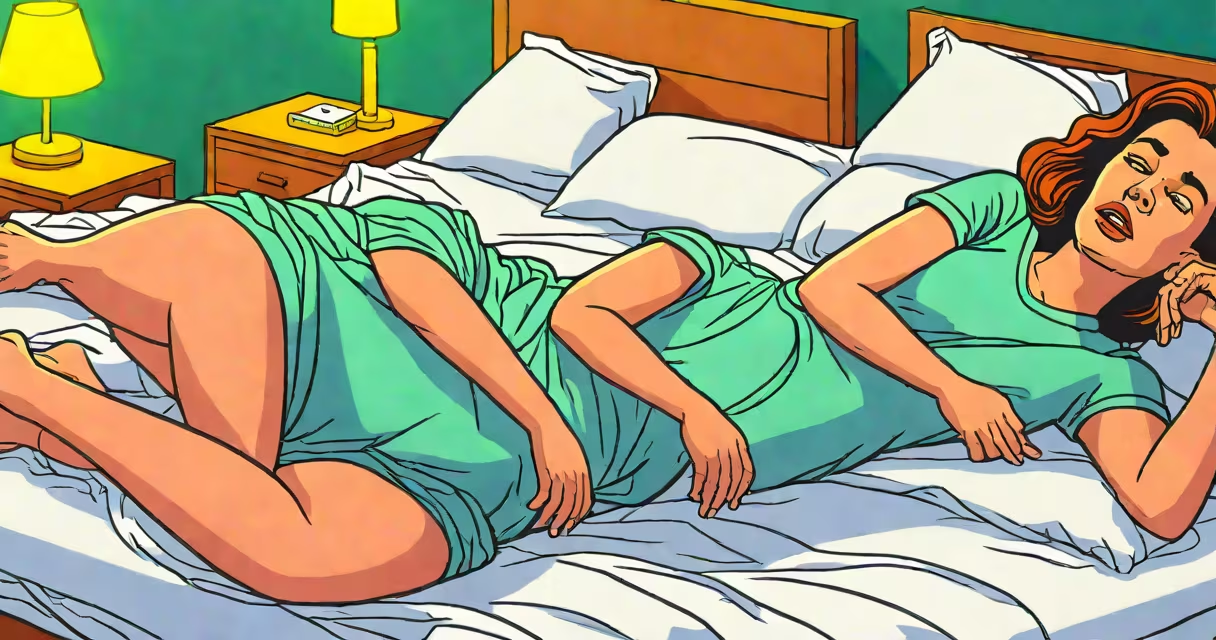
Abdominal cramps period refer to the sharp, throbbing, or dull pains in the lower abdomen caused by uterine contractions during menstruation. These contractions occur when the uterus releases prostaglandins, chemicals that trigger muscle tightening to expel the uterine lining. The intensity varies widely, affecting up to 70% of people who menstruate.
Cramping typically begins just before or at the start of menstrual bleeding. Pain often peaks within the first 24-48 hours and subsides as flow decreases. While mild cramping is common, severe cases may interfere with daily activities and require medical evaluation.
According to the American College of Obstetricians and Gynecologists (ACOG), about 50-70% of individuals with periods report experiencing cramps, with 10-15% describing them as debilitating. Cramps are not a sign of weakness or poor health-they are a physiological response to hormonal shifts.
The process begins with ovulation. After releasing an egg, the ovary produces progesterone to prepare the uterine lining for potential implantation. If pregnancy doesn't occur, hormone levels drop sharply. This triggers the release of prostaglandins from the uterine lining.
Prostaglandins cause the uterine muscles to contract. These contractions compress blood vessels, temporarily cutting off oxygen supply to the uterine tissue. When blood flow returns, it causes pain. The higher the prostaglandin levels, the stronger the contractions and the more intense the cramping.
A 2021 study published in Frontiers in Pharmacology found that people with dysmenorrhea (painful periods) had elevated levels of prostaglandin E2 in their menstrual fluid compared to those with mild or no cramps. This confirms the direct link between chemical activity and physical symptoms.
Cramps fall into two categories: primary and secondary. Primary cramps occur without underlying pelvic disease and are common during adolescence and early adulthood. Secondary cramps stem from conditions like endometriosis, adenomyosis, or fibroids and often worsen over time.
| Type | Onset | Common Causes | Typical Age Range |
|---|---|---|---|
| Primary | Within 6 months of menarche | Prostaglandin release, normal menstrual cycle | Teens to late 20s |
| Secondary | Gradual onset, often after age 25 | Endometriosis, fibroids, pelvic inflammatory disease | 25+ |
Common triggers include stress, caffeine, high-sodium foods, and lack of sleep-all of which can increase prostaglandin production or reduce pain tolerance. A 2019 survey by the National Women's Health Network found that 68% of respondents reported worsening cramps during periods of emotional distress.
One non-obvious fact: cramps can radiate to the lower back, hips, and even the thighs. This happens because the nerves supplying the uterus also send signals to nearby areas. Pain in the legs or back during your period is not imagined-it's neurological crossover.
Abdominal cramps period happen exclusively in people with a uterus and a functioning menstrual cycle. They are most common in the reproductive years, peaking around ages 15-25. However, they can persist into the 30s and 40s, especially if left untreated.
They occur due to natural biological processes, not lifestyle choices. You cannot "will" them away simply by focusing harder. The pain is real and measurable through clinical markers like elevated prostaglandin levels and increased uterine contractility seen in ultrasound studies.
Cramps are not the same as gastrointestinal pain. While bloating and flatulence often accompany periods, cramps originate in the uterus, not the intestines. Confusing the two leads to misdiagnosis. For example, someone with irritable bowel syndrome (IBS) may mistake intestinal spasms for menstrual cramps, delaying proper treatment.
I once observed this firsthand while volunteering at a campus health clinic. A student came in complaining of severe cramps. She'd been taking ibuprofen for weeks. But her symptoms didn't improve. A pelvic exam revealed endometriosis. Her cramps weren't just "bad periods"-they were signs of a chronic condition requiring targeted care.
Many assume cramps are normal and unchangeable. That's false. While mild cramps are common, severe pain is not inevitable. Effective treatments exist, including NSAIDs, hormonal birth control, and lifestyle adjustments.
Another myth: "Only young people get bad cramps." In reality, secondary dysmenorrhea increases in prevalence after age 25. The American Society for Reproductive Medicine notes that endometriosis affects roughly 10% of reproductive-age women and is frequently underdiagnosed.
Some believe cramps mean fertility issues. Not necessarily. Cramps don't predict fertility. However, persistent severe cramps may indicate endometriosis, which can impact conception. Early diagnosis improves outcomes.
Also, cramps aren't always worse with heavy flow. Flow volume and pain severity are independent. Some people have light flow but intense cramps. Others have heavy flow with minimal discomfort. The two do not correlate directly.
Over-the-counter NSAIDs like ibuprofen reduce prostaglandin synthesis and are effective for many. Start taking them at the first sign of pain. A 2020 Cochrane review confirmed that NSAIDs reduce pain intensity by 50% or more in 60% of users.
Heat therapy also helps. Applying a heating pad to the lower abdomen increases blood flow and reduces muscle tension. A 2018 randomized controlled trial showed that heat reduced cramp severity by 40% compared to placebo.
Lifestyle changes such as regular exercise, reduced caffeine intake, and consistent sleep patterns can lower baseline pain sensitivity. A 2022 study in Journal of Women's Health found that participants who exercised 3-4 times weekly reported 30% less cramping over six months.
Seek medical attention if cramps interfere with school, work, or daily life. Signs of concern include: pain lasting beyond 3 days, fever, abnormal bleeding, or worsening symptoms over time. These may indicate endometriosis or other structural issues.
Abdominal cramps period are a widespread yet often misunderstood experience. They result from natural uterine contractions driven by prostaglandins. While common, they are not a sign of personal failure. Understanding the biology behind them empowers better management and timely care when needed.