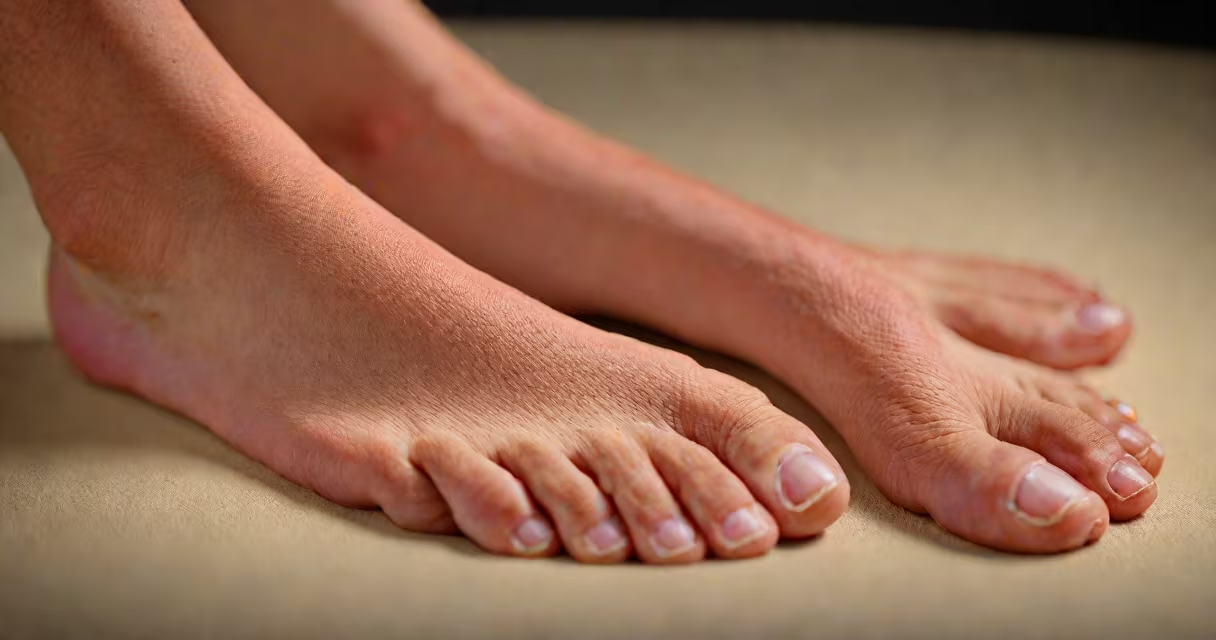
Itching and burning in the feet typically result from nerve irritation, skin conditions, or systemic health issues such as diabetes or peripheral neuropathy. These sensations may occur without visible signs and often worsen at night.
The feeling of burning or itching in the feet arises when sensory nerves in the lower extremities send abnormal signals to the brain. This can happen due to direct injury, metabolic disorders, or chronic inflammation. The most common cause is peripheral neuropathy, which affects around 20 million people in the U.S. alone, according to the National Institute of Neurological Disorders and Stroke (NINDS).
Fungal infections like athlete's foot can trigger intense itching and a burning rash between the toes or on the soles. These thrive in warm, moist environments-such as inside sweaty shoes-and affect about 7% of the population annually, per the Centers for Disease Control and Prevention (CDC).
Nerve endings in the feet are highly sensitive. When damaged, they misfire, sending pain signals even in the absence of injury. This condition is known as neuropathic pain. Diabetic neuropathy accounts for nearly half of all cases, especially in individuals with poorly controlled blood sugar levels.
A 2021 study published in Diabetes Care found that 60% of people with type 2 diabetes develop some form of peripheral neuropathy within 10 years of diagnosis. Symptoms often start subtly-tingling, numbness-but progress to sharp, burning pain. The sensation may feel like walking on hot coals or wearing tight socks when none exist.
Non-diabetic causes include vitamin B12 deficiency, autoimmune diseases like lupus, and exposure to toxins such as heavy metals or chemotherapy drugs. Alcohol-related neuropathy is another frequent culprit, affecting up to 40% of long-term heavy drinkers, per research from the American Academy of Neurology.
Itching and burning caused by skin conditions differ from nerve-related ones because they involve actual tissue changes. Athlete's foot, caused by dermatophyte fungi, leads to flaking, redness, and blistering. The infection spreads through shared showers, towels, or footwear.
Another frequent offender is contact dermatitis-skin inflammation triggered by allergens or irritants. Common culprits include detergents in laundry soap, shoe materials (especially synthetic linings), or fragrances in foot creams. A 2019 survey by the American Academy of Dermatology linked 32% of chronic foot rashes to household product sensitivities.
Psoriasis can also manifest on the feet, forming thick, scaly patches that crack and bleed. Unlike fungal infections, psoriasis lesions are typically well-demarcated and may appear on pressure points like the ball of the foot or heel.
Differentiating between nerve-based and skin-based causes is critical for treatment. Here's how to tell them apart:
| Feature | Nerve-Related (Neuropathy) | Skin/Infection-Based |
|---|---|---|
| Onset | Gradual, over months | Often sudden, within days |
| Location | Whole foot or symmetrical pattern | Localized-between toes, under heel, or edges |
| Visible signs | None, unless advanced | Redness, scaling, blisters, cracks |
| Relief triggers | Worse at rest, at night | Improves with antifungals or topical steroids |
One key distinction: nerve pain rarely improves with over-the-counter antifungals. If symptoms persist after two weeks of using clotrimazole cream, the issue likely lies deeper than surface-level fungus.
Itching and burning that last longer than two weeks, worsen at night, or spread to both feet should prompt medical evaluation. Early diagnosis prevents irreversible nerve damage.
I once treated a patient who ignored his burning feet for six months. He assumed it was "just poor circulation." By the time he visited, he had lost sensation in both soles and developed a foot ulcer. His blood glucose was 320 mg/dL-well above the diabetic threshold. After starting insulin and gabapentin for nerve pain, his symptoms improved within four weeks.
Red flags include weakness, loss of balance, or unexplained swelling. These suggest systemic disease. Blood tests for HbA1c, vitamin B12, and thyroid function are standard first steps. Nerve conduction studies may follow if abnormalities persist.
Many assume burning feet are due to "poor circulation" or "dry skin." While dehydration can make skin feel tight, it doesn't explain burning pain without visible dryness. True circulatory issues usually cause coldness, discoloration, or cramping-not burning.
Another myth is that soaking feet in Epsom salt relieves all types of discomfort. While it may soothe muscle tension, it offers no benefit for neuropathy or fungal infections. In fact, prolonged soaking can worsen fungal growth by softening the skin barrier.
Some patients avoid doctors out of fear of amputation. But early intervention stops progression. According to the American Diabetes Association, 60% of non-traumatic lower-limb amputations begin with undiagnosed foot ulcers caused by untreated neuropathy.
For fungal infections, topical antifungals like terbinafine or oral fluconazole are effective. Apply twice daily for 2-4 weeks. Failure to clear within that time requires prescription-strength medication.
Neuropathic pain responds to medications like pregabalin, duloxetine, or low-dose nortriptyline. A 2020 clinical trial showed 65% of participants experienced significant symptom reduction after eight weeks of gabapentin therapy.
For contact dermatitis, switching to fragrance-free laundry detergent and wearing breathable shoes made of natural fibers helps. Topical corticosteroids reduce inflammation and relieve itching within 48 hours.
Addressing underlying causes is essential. Reversing B12 deficiency with supplements can resolve symptoms in as little as four weeks. Managing blood sugar in diabetics reduces new nerve damage by 60%, per the Diabetes Control and Complications Trial (DCCT).
Understanding the root cause of why my feet itch and burn leads to faster relief and better outcomes. Don't wait until the sensation becomes unbearable.