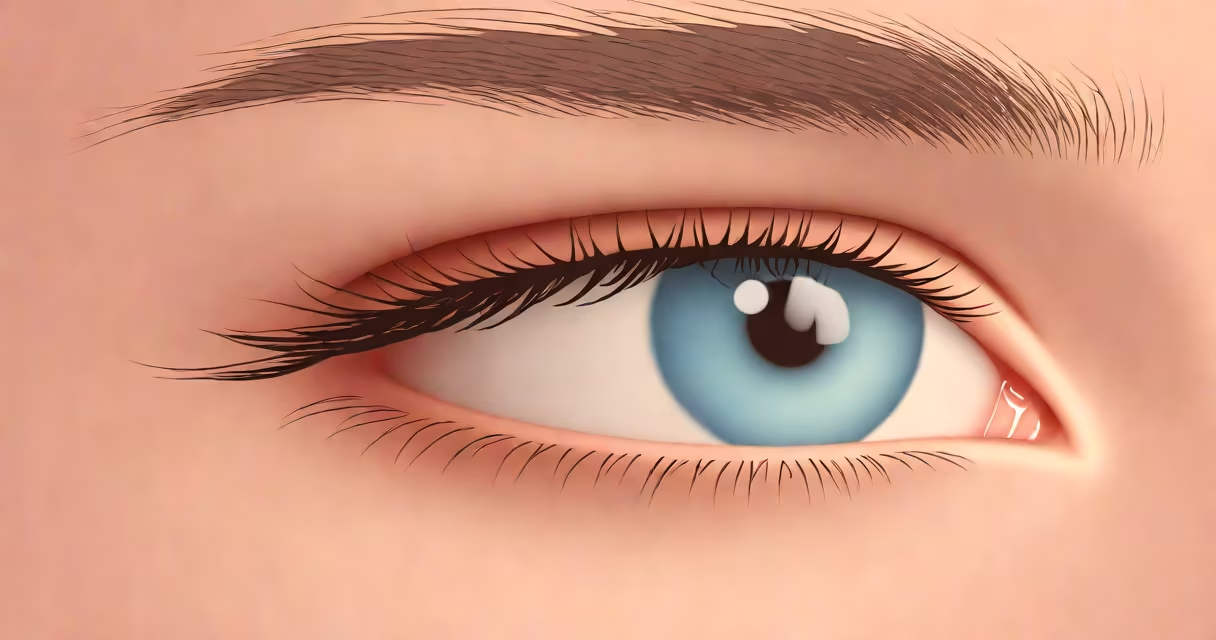
Involuntary eye movements, often described as shaking, are typically caused by neurological or vestibular system disruptions. These movements may appear as rapid back-and-forth motion, fluttering, or slow drifting. The most common condition behind this symptom is nystagmus, which affects about 1 in 1,000 people and can be congenital or acquired.
Nystagmus occurs when the brain's control over eye muscle coordination fails. This results in repetitive, uncontrolled eye movements that can happen horizontally, vertically, or in a circular pattern. The condition is not a standalone disease but a sign of underlying dysfunction-either developmental, structural, or due to injury or illness.
Some people report their eyes shake only when looking sideways or up. Others notice it during balance tasks or while focusing on distant objects. The sensation of visual instability, such as the world appearing to move, is common. This happens because the eyes cannot hold steady on a target, disrupting the brain's ability to process stable visual input.
The eyes rely on precise signals from the brainstem and cerebellum to maintain fixation. When these pathways are disrupted-by trauma, inflammation, or degeneration-the muscles controlling eye position fire erratically. This leads to oscillations too small to see with the naked eye but noticeable under video oculography or clinical observation.
For example, a 2021 study published in Neurology found that patients with multiple sclerosis often develop gaze-evoked nystagmus, where eye movement worsens when looking toward the side. This occurs because demyelination damages the neural circuits responsible for stabilizing gaze.
Eye tremors aren't limited to the visual system. They can be linked to inner ear disorders, such as benign paroxysmal positional vertigo (BPPV), where displaced otoconia in the semicircular canals trigger false signals about head motion. The brain then sends abnormal commands to the eye muscles, resulting in jerking eye movements even when the head is still.
Eye shaking falls into distinct categories based on timing, direction, and cause. The most common types include:
| Type | Direction | Common Causes | Onset |
|---|---|---|---|
| Congenital nystagmus | Horizontal | Genetic mutations affecting retinal or brainstem development | Born with it |
| Gaze-evoked nystagmus | Horizontal | Multiple sclerosis, alcohol intoxication, medication side effects | Appears when looking far left or right |
| Downbeat nystagmus | Vertical (downward) | Brainstem lesions, Chiari malformation, certain drugs | Occurs when looking down |
| Periodic alternating nystagmus | Alternating horizontal | Lesions in the cerebellum or brainstem | Shifts direction every few seconds |
One non-obvious distinction: not all eye shaking is visible. Some forms, like micro-nystagmus, involve tiny movements detectable only via specialized equipment. A 2019 study in Journal of Clinical Neurophysiology showed that micro-nystagmus often precedes overt symptoms in early-stage neurodegenerative diseases.
Alcohol consumption is a well-documented trigger. After two standard drinks, blood alcohol levels reach ~0.08%, which impairs cerebellar function. This disrupts the coordination between eye movement and balance, leading to nystagmus within 15 minutes of drinking. The effect reverses within hours as alcohol clears from the bloodstream.
Many assume eye shaking means epilepsy or a stroke. While both conditions can cause nystagmus, they're rare triggers. Stroke-related nystagmus typically appears suddenly, accompanied by weakness, slurred speech, or facial droop. Nystagmus alone doesn't confirm stroke.
Another misconception: eye shaking equals poor vision. In reality, many people with nystagmus have normal visual acuity. The issue lies in motor control, not optical clarity. A patient with congenital nystagmus may read normally using compensatory head movements, known as "null point" positioning.
I once observed a 28-year-old woman who reported her eyes shook when reading. She had no dizziness or imbalance. An exam revealed congenital nystagmus with a null point at 15 degrees to the right. Her vision was 20/20, and she'd adapted well. The shaking wasn't a problem-it was a feature of her neurology.
Eye shaking becomes clinically significant when it develops suddenly, worsens over time, or occurs with other neurological signs. Red flags include:
If shaking begins after a head injury, especially with confusion or memory loss, immediate evaluation is needed. Trauma can damage the brainstem or vestibular nuclei, leading to acute nystagmus.
For persistent or worsening cases, a neurologist may order MRI scans to check for structural abnormalities. Blood tests can rule out vitamin B12 deficiency, thyroid dysfunction, or autoimmune encephalitis-all of which can mimic nystagmus.
Not all eye shaking requires treatment. But if it interferes with daily life-like difficulty reading or driving-options exist. Medications such as gabapentin or baclofen may reduce severity. In rare cases, surgery on eye muscles can improve alignment and reduce visual strain.
Understanding why your eyes shake starts with recognizing that it's not a single condition but a symptom. Whether it's congenital, drug-induced, or related to a neurological disorder, accurate diagnosis ensures appropriate care. If you're unsure, consult a specialist. Learn more about related eye symptoms.