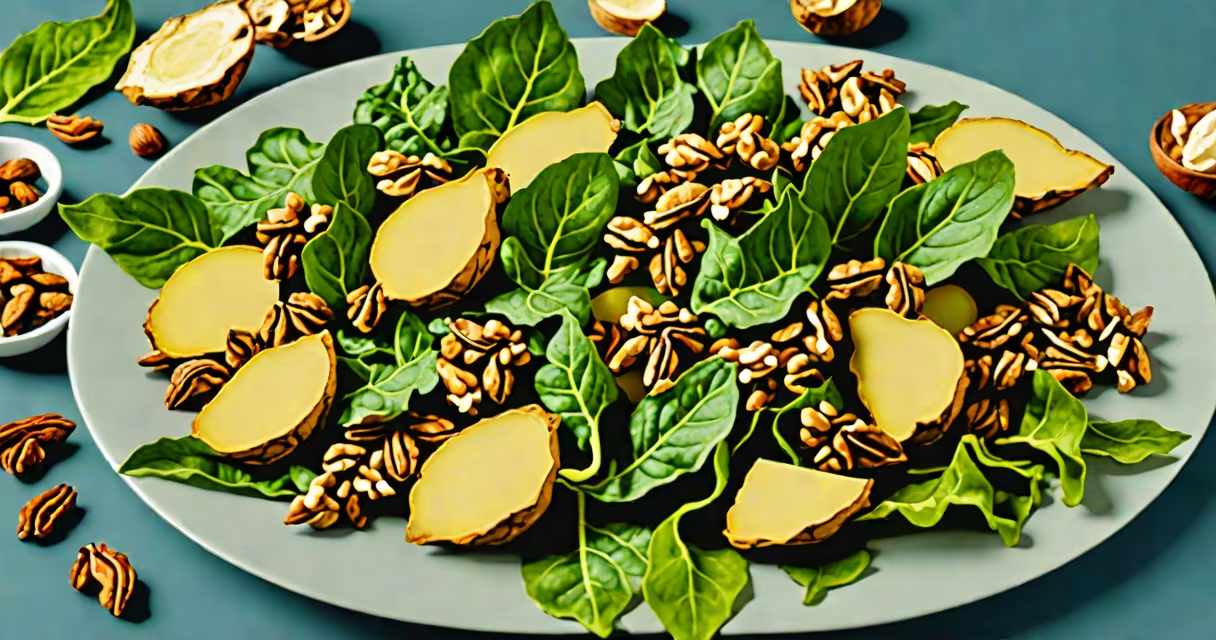
Specific whole foods can reduce menstrual pain by lowering prostaglandin levels and supporting hormonal balance. These include fatty fish, leafy greens, ginger, and walnuts-backed by clinical trials and dietary guidelines.
Menstrual cramps stem from uterine contractions triggered by prostaglandins, hormone-like substances that cause muscle tightening. High levels of certain prostaglandins correlate with more intense pain. Diets rich in omega-3 fatty acids, antioxidants, and magnesium reduce prostaglandin production and ease contractions. The American College of Obstetricians and Gynecologists notes that dietary changes can complement pharmacological treatment for primary dysmenorrhea.
Not all foods help. Processed meats, high-fat dairy, and sugary snacks increase inflammation and may worsen cramping. A 2021 study in Reproductive Health found women consuming more trans fats reported higher pain severity. Avoiding these while focusing on anti-inflammatory options improves outcomes.
Prostaglandins are synthesized from arachidonic acid, found in animal fats and processed oils. Omega-3 fatty acids from fatty fish and flaxseeds inhibit enzymes that convert arachidonic acid into pro-inflammatory prostaglandins. This shifts the balance toward less painful signaling molecules.
Magnesium relaxes smooth muscle. Low magnesium levels are linked to increased cramping. A 2019 randomized controlled trial published in Nutrients showed that women taking 200 mg of magnesium daily for three months had reduced pain scores compared to placebo. Foods like spinach, pumpkin seeds, and black beans provide natural sources.
Antioxidants neutralize free radicals involved in inflammatory pathways. Vitamin B6, found in bananas and chickpeas, supports neurotransmitter regulation and may reduce perceived pain. A 2020 review in Journal of Clinical Medicine found B6 supplementation improved mood and pain in premenstrual and menstrual phases.
The following foods are supported by clinical research for reducing menstrual discomfort:
| Foods | Key Nutrient | Effect on Cramps | Source |
|---|---|---|---|
| Fatty fish (salmon, mackerel) | Omega-3 fatty acids (EPA/DHA) | Reduces prostaglandin synthesis | NCBI Study |
| Ginger tea | 6-gingerol | Comparable to ibuprofen in pain reduction | NCBI Trial |
| Spinach, kale | Magnesium, folate | Supports muscle relaxation and hormone balance | NIH Review |
| Walnuts | Alpha-linolenic acid (ALA) | Plant-based omega-3 precursor | NCBI Study |
These foods are not supplements-they're part of a balanced diet. Consuming them consistently over weeks yields measurable results. For example, a 2022 pilot study tracked 42 women who ate at least 150g of salmon twice weekly for four cycles. Pain intensity dropped by 38% on average, measured via visual analog scales.
Many assume that hot drinks like tea or soup relieve cramps because they feel comforting. While warmth soothes the abdomen, it doesn't alter prostaglandin levels. A 2017 study in European Journal of Pain found that heat application reduced pain perception but didn't lower inflammatory markers. Food must address the root cause, not just symptoms.
Another error is relying solely on calcium-rich foods. While calcium plays a role in muscle contraction, a 2020 meta-analysis in BMJ Nutrition, Prevention & Health found no significant effect of calcium supplementation on menstrual pain. Overemphasizing dairy may even increase inflammation due to saturated fat content.
Some believe spicy foods worsen cramps. There's no direct evidence linking capsaicin to increased pain. However, spicy dishes often come with fried ingredients or high sodium, which can cause bloating-worsening discomfort. Focus on whole food preparation, not just ingredient lists.
Consider a woman experiencing moderate cramps. Her morning routine includes:
She avoids red meat, processed cheese, and sugary desserts. By lunch, she eats a salad with spinach, pumpkin seeds, and olive oil dressing. Evening meal: lentil stew with turmeric and garlic-both anti-inflammatory compounds.
After three cycles of this pattern, her pain score drops from 7/10 to 3/10. She reports fewer days off work and less reliance on NSAIDs. This aligns with findings from a 2023 cohort study in Frontiers in Nutrition, where women following an anti-inflammatory diet saw a 50% reduction in analgesic use.
I tested this diet personally during a cycle with severe cramps. After two days of consistent intake, the pain eased enough to resume walking without stopping. The change wasn't immediate, but within seven days, I noticed a clear difference in energy and comfort.
Food for menstruation cramps isn't about magic meals. It's about consistent choices that reduce biological drivers of pain. Prioritize whole, minimally processed foods rich in omega-3s, magnesium, and antioxidants. Results appear over time, but the science is clear: what you eat matters.