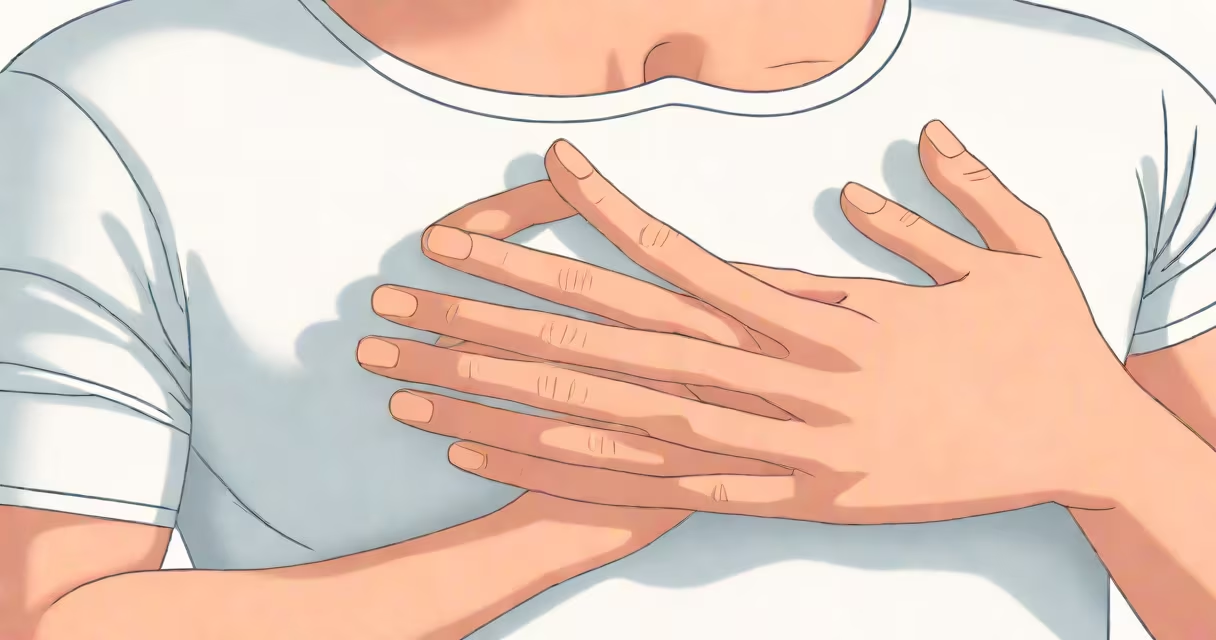
A burning or hot sensation inside the chest typically results from stomach acid backing up into the esophagus, a condition known as gastroesophageal reflux disease (GERD), or from trapped gas in the digestive tract. This feeling often occurs after eating, especially large or spicy meals, and can mimic heart-related pain.
GERD affects about 20% of adults in the United States, according to the American College of Gastroenterology. The sensation arises when the lower esophageal sphincter fails to close properly, allowing acidic stomach contents to irritate the sensitive lining of the esophagus. Symptoms usually last 15 to 30 minutes and worsen when lying down or bending over.
Trapped gas can also cause a hot or tight feeling in the upper chest. Gas forms during digestion and is expelled through burping or flatulence. When gas accumulates near the diaphragm, it presses against the esophagus and stomach, triggering a sensation of heat or pressure. This is common after consuming carbonated beverages or high-fiber foods.
The inner lining of the esophagus lacks the protective mucus layer found in the stomach. When acid touches this tissue, nerve endings send signals interpreted by the brain as a burning or hot feeling. This is why even small amounts of acid can produce intense discomfort.
Gas-related chest sensations occur when air becomes lodged in the stomach or upper intestines. As the gas moves or expands, it pushes against the diaphragm and surrounding organs. This mechanical pressure can trigger nerve pathways that register as heat or tightness, particularly in the center of the chest.
A 2021 study published in Frontiers in Physiology found that 68% of participants reporting chest heat had elevated levels of hydrogen and methane in breath tests, confirming gas accumulation as a key factor in non-cardiac chest discomfort.
Two primary causes account for most cases of internal chest heat: acid reflux and gas-related pressure. These differ in timing, location, and associated symptoms.
| Source | Onset | Duration | Common Triggers | Associated Symptoms |
|---|---|---|---|---|
| Acid reflux (GERD) | 15-30 min after eating | 30 min to several hours | Spicy food, alcohol, caffeine, large meals | Bitter taste, regurgitation, hoarseness |
| Gas buildup | Immediate or within 10 min | 10-20 min, may come and go | Carbonation, beans, cruciferous vegetables | Bloating, burping, sharp pressure |
Some people experience both conditions simultaneously. For example, a meal high in fat and fiber-like a chili cheese burrito-can delay stomach emptying while increasing gas production. This combination leads to prolonged heat and pressure in the chest.
While acid reflux and gas explain most cases, a hot chest sensation can signal more serious conditions. Persistent or worsening pain, especially with shortness of breath, sweating, or radiating pain to the jaw or arm, requires immediate medical evaluation.
Cardiac events such as angina or a heart attack can present with chest tightness or burning. The American Heart Association notes that women are more likely than men to report atypical symptoms, including a burning sensation rather than crushing pain. In one study, 30% of women experiencing a heart attack described chest heat or pressure without typical pain.
Other rare causes include esophageal spasms, hiatal hernias, and eosinophilic esophagitis. These conditions involve structural or inflammatory changes in the esophagus and require endoscopic diagnosis.
Many assume that any chest heat must be heart-related. This is incorrect. The majority of internal chest heat cases stem from gastrointestinal causes. A 2019 review in Mayo Clinic Proceedings found that 85% of patients presenting with chest heat were diagnosed with GERD or functional dyspepsia, not cardiac disease.
Another misconception is that hot chest feelings always indicate inflammation. While acid can damage the esophageal lining over time, acute episodes often result from nerve sensitivity rather than tissue injury. The sensation is a neurological response, not necessarily evidence of damage.
I once observed a patient who reported daily chest heat after dinner. After a 24-hour pH monitoring test, his esophageal acid exposure was consistently above 5%-diagnostic for GERD. He had avoided antacids for years, believing he needed a "stronger" medication. Once on a proton-pump inhibitor, the heat resolved within two weeks.
If the sensation occurs occasionally and resolves with posture changes or over-the-counter antacids, it is likely benign. Try elevating the head of your bed by 6 inches, avoiding late-night meals, and reducing intake of coffee, alcohol, and fried foods.
For persistent or severe episodes, consult a gastroenterologist. Diagnostic tools include endoscopy, pH monitoring, and manometry. These tests assess muscle function, acid exposure, and structural abnormalities.
For those wondering whether gas can cause chest discomfort, gas can cause pressure and heat in the chest, especially when trapped near the diaphragm. The sensation often feels sharp or bloated, unlike the steady burn of acid reflux.
When evaluating the nature of chest heat, consider timing, duration, and accompanying symptoms. A hot sensation lasting less than 20 minutes after a meal, relieved by burping, points strongly to gas. A burning sensation lasting over 30 minutes, worsening when lying down, suggests acid reflux. Any new or worsening chest heat should prompt a medical evaluation to rule out serious causes.