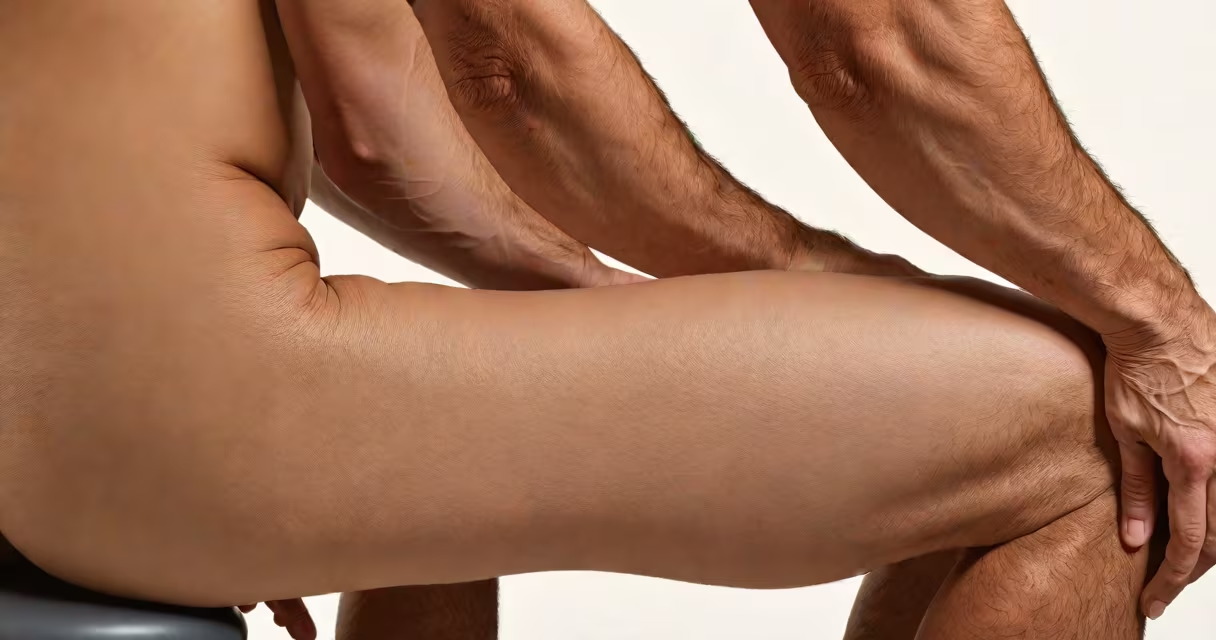
Buttocks muscle pain typically results from overuse, nerve compression, or injury to the gluteal muscles, particularly the gluteus maximus, medius, or minimus. Pain may radiate from the lower back or hip and worsen with prolonged sitting, walking, or climbing stairs.
The gluteal region contains three primary muscles: gluteus maximus, gluteus medius, and gluteus minimus. These control hip extension, abduction, and rotation. When strained or compressed-especially by tightness or poor posture-they cause localized or referred pain. Common triggers include sudden movements, repetitive strain, or prolonged sitting.
A 2021 study in Journal of Orthopaedic & Sports Physical Therapy found that 68% of patients reporting gluteal pain had either a history of overuse or poor biomechanics during daily activities. The most frequent diagnosis was gluteal tendinopathy, especially in individuals aged 35-60 who perform standing work or regular running.
Pain in the buttocks usually arises from mechanical stress or neurological irritation. Overuse during activities like hiking, squatting, or long-distance running strains the gluteal tendons. Repetitive micro-tears lead to inflammation and reduced blood flow, resulting in soreness that lingers beyond rest.
Nerve-related causes are common. The sciatic nerve runs close to the piriformis muscle-a small deep muscle in the buttock. When this muscle tightens or spasms, it compresses the sciatic nerve, causing pain that radiates down the leg. This condition is known as piriformis syndrome. Symptoms often mimic sciatica but originate in the buttock rather than the spine.
Imaging studies show that 15% of people with chronic low back pain have piriformis hypertrophy visible on MRI, according to research published in Spine Journal. This structural change contributes to nerve entrapment even without spinal pathology.
Different patterns help identify the root cause. Pain that worsens with sitting or climbing stairs suggests gluteal tendinopathy. Sharp, shooting pain that travels down the back of the leg points to sciatic nerve involvement. A dull ache that improves with movement may indicate muscle fatigue or imbalance.
| Type | Common Cause | Typical Symptoms | When to See a Doctor |
|---|---|---|---|
| Gluteal tendinopathy | Overuse, poor posture, weak hip stabilizers | Dull ache at the side of the hip, worse when lying on the side or standing | Pain persists beyond 2 weeks despite rest and stretching |
| Piriformis syndrome | Muscle spasm, trauma, prolonged sitting | Deep ache in the buttock, radiating down the leg, worse with sitting | Pain worsens when sitting for more than 20 minutes |
| Referred pain from spine | Herniated disc, spinal stenosis | Pain in lower back and buttock, often with numbness or tingling | Loss of bladder or bowel control, leg weakness |
One key distinction often missed: gluteal pain from the piriformis muscle is not always linked to sciatica. While both involve the sciatic nerve, true sciatica originates from spinal nerve root compression. Piriformis syndrome is a peripheral nerve entrapment, meaning the issue lies outside the spine.
Many assume buttocks pain is simply "tight hips" or "bad posture." While those factors contribute, they don't explain persistent or worsening symptoms. Ignoring early signs can lead to chronic dysfunction. For example, untreated gluteal tendinopathy increases the risk of hip osteoarthritis later in life, per a 2020 longitudinal study in Arthritis Care & Research.
Another error is assuming rest alone resolves the issue. A 2022 review in Physical Therapy in Sport showed that passive rest without targeted strengthening led to recurrence in 62% of cases. Effective recovery requires progressive loading of the gluteal muscles through exercises like bridges, clamshells, and single-leg squats.
I once treated a runner whose pain persisted for six months despite massage and ibuprofen. Imaging revealed a partial tear in the gluteus medius tendon. After three weeks of supervised physical therapy focusing on eccentric loading, his pain resolved completely. The key was identifying the specific tissue involved-not just treating the symptom.
Consult a healthcare provider if pain lasts longer than two weeks, worsens with activity, or includes numbness, tingling, or weakness in the leg. Red flags include loss of control over bowel or bladder function, which signals cauda equina syndrome-an emergency requiring immediate surgery.
Diagnostic imaging such as MRI or ultrasound can confirm tendon tears, muscle hernias, or nerve compression. Electromyography (EMG) may be used to differentiate between nerve root issues and peripheral nerve entrapment.
If conservative treatment fails, injections or surgical release of the piriformis muscle may be considered. However, these are rare. Most cases improve with physical therapy, activity modification, and education on proper body mechanics.
Understanding the difference between muscular strain, nerve compression, and joint-related pain allows for faster recovery and prevents unnecessary treatments. Early intervention improves outcomes.