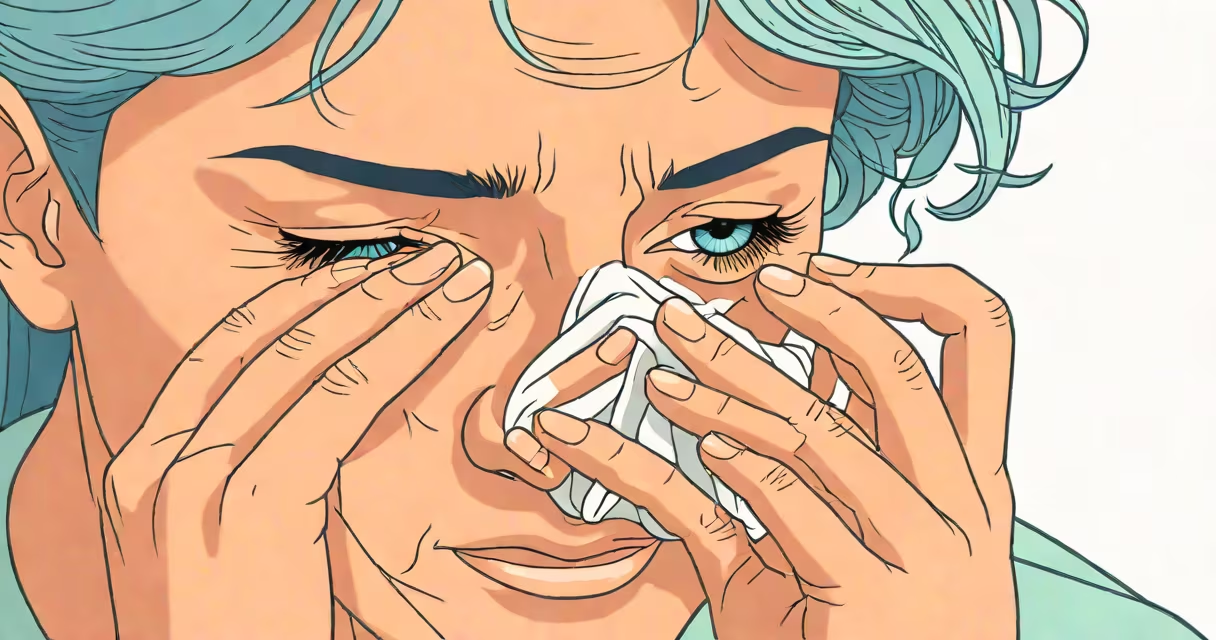
Watery eyes and burning nose describe a combination of irritated eyes producing excess tears and a stinging or painful sensation inside the nasal passages. This cluster of symptoms commonly arises from allergic reactions, environmental irritants, or viral infections.
When allergens like pollen, dust mites, or pet dander enter the body, the immune system overreacts. Mast cells release histamine, causing blood vessels to dilate and tissues to swell. The eyes respond with increased tear production-watery eyes-and the nasal lining becomes inflamed, leading to a burning, scratchy sensation. Non-allergic causes include dry air, smoke, strong odors, or sinus infections.
A 2021 study published in The Journal of Allergy and Clinical Immunology found that 30% of adults reporting chronic watery eyes and burning nose had undiagnosed allergic rhinitis. Symptoms often worsen during seasonal changes or in poorly ventilated indoor spaces. Identifying the root cause is critical-misattributing them to a cold can delay effective treatment.
Watery eyes result from hyperactivity in the lacrimal glands, which produce tears. Normally, tears lubricate the eyes and wash away debris. But when exposed to allergens or irritants, the lacrimal system overcompensates. This leads to overflow, visible as constant tearing.
The burning nose stems from inflammation of the nasal mucosa. Histamine increases permeability in capillaries, allowing fluid to leak into surrounding tissue. Nerve endings become hypersensitive, triggering pain and a burning sensation. The sensation may feel like heat or a sharp sting, especially when breathing through the nose.
For example, someone walking through a park in spring may develop watery eyes and a burning nose within minutes of exposure to tree pollen. Their eyes water uncontrollably, and they feel a persistent stinging behind the bridge of the nose. This reaction typically begins within seconds to minutes and lasts until the allergen is removed or treated.
Watery eyes and burning nose fall into two broad categories: allergic and non-allergic. Allergic causes involve IgE-mediated immune responses. Non-allergic forms stem from direct irritation or neurological sensitivity.
| Type | Common Triggers | Duration | Distinctive Features |
|---|---|---|---|
| Allergic | Pollen, mold spores, pet dander, dust mites | Hours to days, recurring seasonally | Often paired with itchy eyes, sneezing, and clear nasal discharge |
| Non-allergic | Smoke, perfumes, cleaning products, dry air | Immediate onset, resolves quickly after removal | Lack of itching; may include facial pressure or headache |
One key distinction: allergic reactions usually affect both eyes and both nostrils symmetrically. Non-allergic irritation may start on one side, especially if triggered by localized exposure-like inhaling fumes from a chemical cleaner while standing near a sink.
Environmental factors play a major role. A 2022 report from the Centers for Disease Control and Prevention (CDC) noted that indoor air pollution contributes to 15% of upper respiratory complaints in urban populations. Dry indoor air during winter months can exacerbate nasal burning, particularly in homes with central heating systems that reduce humidity below 30%.
Many assume watery eyes and burning nose are signs of a cold. While viral infections can cause similar symptoms, they typically include fever, body aches, and thicker, yellowish nasal discharge. Watery eyes and burning nose without congestion or fever point more strongly toward allergies or irritants.
Another misconception is that these symptoms always require medication. Not true. Simple avoidance of known triggers-such as staying indoors during high pollen counts or using HEPA filters-can prevent episodes. For mild cases, saline nasal sprays and cool compresses provide immediate relief.
Some people confuse this symptom complex with dry eye syndrome. Dry eye causes a gritty, sandy feeling, not tearing. Watery eyes indicate overproduction, not underproduction, of tears. The presence of burning in the nose further differentiates it from dry eye, which rarely affects the nasal cavity.
Consider Sarah, a 34-year-old office worker in Chicago. She wakes up with watery eyes and a burning nose. Her morning routine includes checking the local pollen count-ragweed levels are high. She opens her window for fresh air, but the breeze carries airborne particles into her bedroom. Within 10 minutes, her eyes stream tears, and she feels a sharp burn inside her nasal passages.
She applies a saline spray and uses a humidifier. Her symptoms improve slightly but persist. Later, she visits an allergist. Skin testing reveals sensitivities to ragweed and birch pollen. Her doctor prescribes a daily antihistamine and recommends keeping windows closed during peak pollen hours. After two weeks of consistent management, her symptoms resolve.
This case illustrates how environmental exposure, combined with individual sensitivity, drives symptoms. It also shows that early intervention prevents chronic discomfort.
During a visit to my clinic last winter, I observed a patient whose symptoms flared only when entering a specific department store. The scent of floral air fresheners triggered watery eyes and a burning nose. Once the store switched to unscented cleaning agents, symptoms disappeared. This highlights how subtle environmental cues can provoke significant reactions.
For mild cases, over-the-counter antihistamines like loratadine or cetirizine reduce histamine activity. Nasal corticosteroid sprays such as fluticasone reduce inflammation in the nasal lining. These treatments work best when taken before exposure, not after symptoms begin.
Prevention strategies include monitoring local pollen forecasts, using air purifiers with HEPA filters, and avoiding outdoor activities during peak pollen times (typically mid-morning to early afternoon). Wearing sunglasses outdoors reduces eye irritation from airborne particles.
If symptoms persist beyond two weeks or interfere with sleep and concentration, consult a healthcare provider. Chronic inflammation can lead to complications like sinusitis or conjunctivitis.