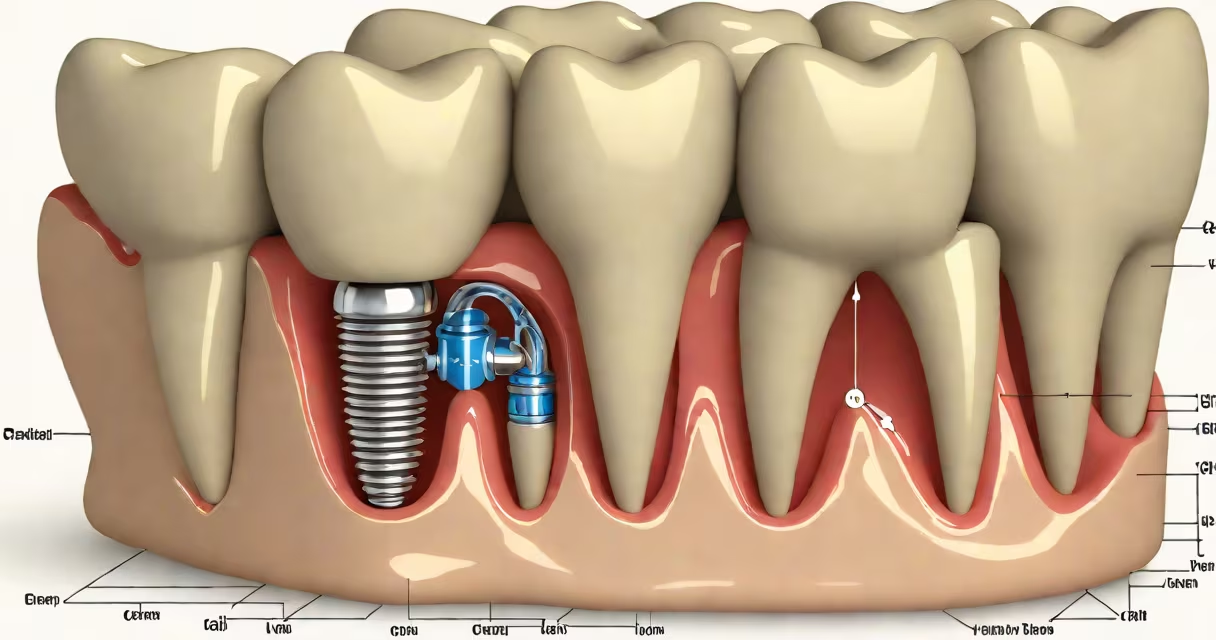
A tooth crown hurts when pressure, inflammation, or nerve irritation triggers pain in the crowned tooth or surrounding tissues. This discomfort may stem from an ill-fitting crown, underlying decay, or gum recession exposing the root. Pain typically worsens with biting or temperature changes.
Crowns are custom caps placed over damaged or weakened teeth to restore function and appearance. They're made from porcelain, metal, or zirconia and cover the visible portion of the tooth. The crown is cemented onto a prepared tooth structure, which includes removing enamel and shaping the remaining tooth. If the fit is off or the crown presses too hard on adjacent teeth, it can cause pain during chewing.
According to the American Dental Association (ADA), about 1 in 5 patients report sensitivity or discomfort after crown placement, most resolving within two weeks. Persistent pain beyond that period usually indicates an underlying issue needing professional evaluation.
Pain from a dental crown arises when the tooth's nerve becomes irritated or inflamed. This can happen if the tooth was ground down too much during preparation, leaving the pulp vulnerable. Even if the tooth had no prior symptoms, the trauma of reshaping can trigger delayed sensitivity.
Another common cause is micro-leakage-tiny gaps between the crown and the tooth where bacteria accumulate. This leads to secondary decay beneath the crown, which may not show on X-rays until significant damage occurs. The American Journal of Dentistry reports that 12% of crowns develop recurrent decay within five years, often presenting as sharp pain when biting.
When the crown doesn't align properly with opposing teeth, it creates uneven force distribution. This can lead to excessive pressure on certain areas, causing localized pain. A 2021 study in the Journal of Prosthetic Dentistry found that 34% of patients with persistent crown pain had occlusal discrepancies confirmed via bite analysis.
Different pain patterns indicate different problems. Sharp, sudden pain when biting suggests a high spot on the crown-where the crown touches too early in the bite. Dull, constant ache may point to pulpitis, or inflammation of the tooth's nerve. Sensitivity to hot or cold liquids often signals dentin exposure due to gum recession or a poorly sealed margin.
| Pain Type | Common Cause | Next Step |
|---|---|---|
| Sharp pain on biting | High spot or occlusal interference | Adjustment by dentist |
| Throbbing, constant ache | Nerve inflammation or infection | Root canal treatment needed |
| Sensitivity to heat/cold | Gum recession or micro-leakage | Re-cementation or repair |
| Pain radiating to jaw or ear | Referred pain from TMJ or sinus issues | Referral evaluation required |
Some patients mistake tooth crown pain for a cavity. But unlike decay, which causes pain only when food gets trapped, crown-related pain often occurs without food impaction. A key difference: decay pain tends to come and go; crown pain is more consistent and tied to specific actions like chewing or drinking.
If pain lasts longer than 10 days after crown placement, or worsens over time, seek care. Delaying treatment risks irreversible nerve damage. The ADA advises against self-diagnosing tooth pain-what feels like a minor issue can progress to abscess formation.
I once saw a patient who ignored mild crown pain for six weeks. By the time they came in, the tooth had developed a periapical abscess. An X-ray showed bone loss around the root. The tooth required root canal therapy and a new crown. This outcome could have been prevented with earlier intervention.
Not all pain is dental. Referred pain from the temporomandibular joint (TMJ) or sinuses can mimic tooth pain. If the crown feels fine and no decay is found, your dentist may refer you to a specialist. A 2020 review in Oral Surgery, Oral Medicine, Oral Pathology and Oral Radiology noted that 17% of unexplained toothaches were traced to non-dental sources.
Many assume that a crowned tooth can't get cavities. That's false. Decay can still form under the crown margin, especially if oral hygiene is poor. The American Dental Association warns that plaque buildup around the crown edge increases risk of secondary caries.
Another myth: "A crown should never hurt." Crowns don't eliminate sensitivity entirely. Some patients experience temporary sensitivity for up to four weeks post-placement. However, pain that persists beyond that window requires attention.
One non-obvious fact: a crowned tooth can still move slightly. The periodontal ligament remains intact, so slight mobility exists. If the crown is too tight or the bite is off, this movement can irritate the surrounding tissues. This is why dentists check occlusion using articulating paper during fitting.
For mild discomfort, use desensitizing toothpaste like Sensodyne Repair & Protect. Avoid very hot or cold foods. Chew on the opposite side of the mouth. These steps reduce strain while waiting for a dental appointment.
If pain is severe or accompanied by swelling, fever, or pus, seek emergency care. These signs suggest infection. Antibiotics may be needed before further treatment.
Do not attempt to adjust the crown yourself. Prying it loose risks damaging the tooth or losing the restoration. Always consult a licensed dentist.
Understanding why your crown hurts allows you to act quickly. Ignoring pain risks tooth loss. Early intervention preserves both the tooth and your long-term oral health.