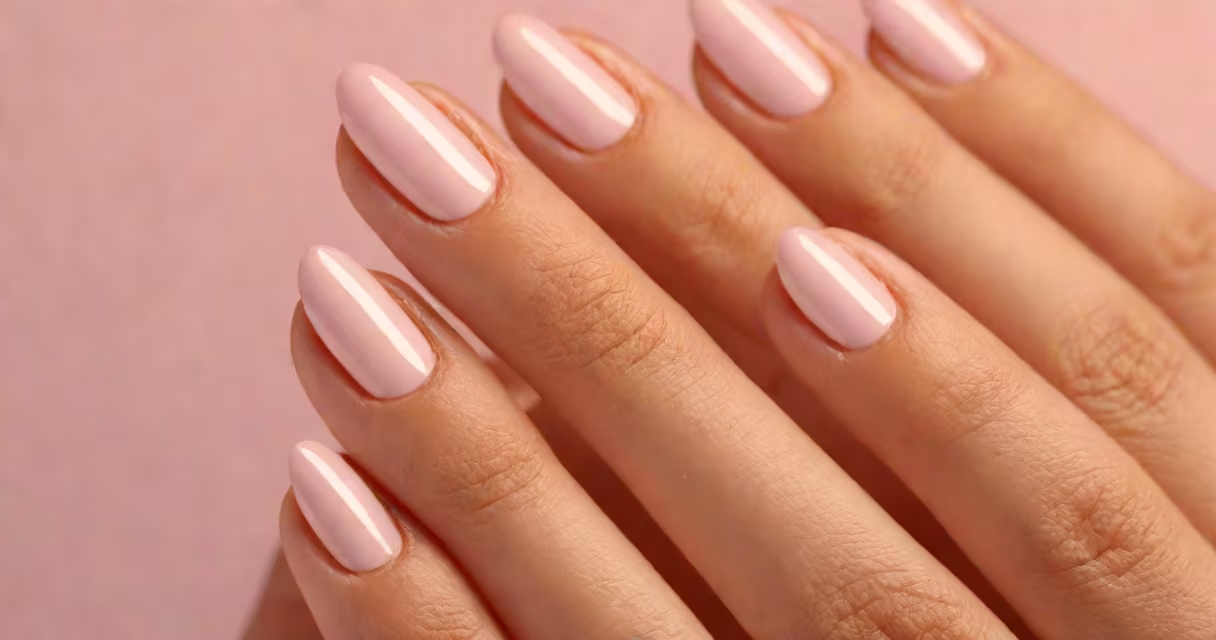
Rippled fingernails-also called longitudinal ridging or nail grooves-are raised lines running from the cuticle to the fingertip. They appear as wavy or undulating patterns on the nail surface and are usually harmless in older adults. However, sudden onset or worsening ridges may signal nutritional deficiencies, trauma, or systemic conditions.
Longitudinal ridges form when the nail matrix-the tissue under the cuticle that produces nail cells-develops uneven growth patterns. This results in alternating bands of thicker and thinner nail material, creating visible waves. The ridges typically run vertically along the nail's length and are most noticeable on the thumbnail and index finger.
While mild ridging is common with aging, new or worsening rippling can stem from iron deficiency, vitamin B12 insufficiency, or chronic illness. In rare cases, it may indicate psoriasis, lichen planus, or even early signs of systemic lupus erythematosus. A dermatologist can differentiate between benign changes and those requiring medical evaluation.
Nail growth occurs in layers as keratinocytes (skin cells) multiply in the nail matrix. When this process becomes irregular due to stress, nutrient gaps, or disease, the resulting nail plate develops ridges. These ridges are not cracks or splits-they're structural deviations in the nail's surface layer.
Vertical ridges differ from horizontal ridges, which are known as Beau's lines. Beau's lines result from temporary growth arrest due to severe illness, injury, or chemotherapy. They appear as deep grooves across the nail and are not related to rippling. Confusing the two leads to unnecessary worry.
A 2021 study published in the Journal of the American Academy of Dermatology found that 67% of individuals over 60 with visible nail ridges had no underlying pathology. However, among those under 40 with newly developed ridges, 32% showed low serum ferritin levels-indicating iron deficiency. This suggests age and onset timing are key diagnostic clues.
Not all rippled nails have the same origin. The table below outlines the most frequent categories and their distinguishing features.
| Type | Appearance | Common Causes | When to See a Doctor |
|---|---|---|---|
| Benign aging ridges | Wavy, shallow lines; symmetrical across all nails | Natural aging, reduced blood flow to fingertips | Usually not needed |
| Nutritional deficiency | Deep, parallel grooves; may affect nail strength | Iron, zinc, or B12 deficiency; poor diet | If accompanied by fatigue, pallor, or brittle nails |
| Psoriatic nail changes | Irregular ridges, pitting, discoloration; often affects multiple fingers | Psoriasis affecting the nail matrix | With joint pain or skin patches |
| Trauma-related | Single deep groove; localized to one nail | Repeated pressure, nail biting, or injury | If injury occurred recently |
One non-obvious distinction: ridges caused by trauma are typically unilateral-meaning they affect only one nail-and appear after a specific incident. In contrast, nutritional or autoimmune causes tend to affect multiple nails symmetrically. This pattern helps narrow down the diagnosis.
Sudden rippling in previously smooth nails demands attention. A 2019 case report in Dermatologic Clinics described a 34-year-old woman whose nail ridges worsened over six weeks. Blood tests revealed a hemoglobin level of 9.1 g/dL-well below the normal range-and she was diagnosed with iron-deficiency anemia. After iron supplementation, her nails improved within four months.
Another red flag is nail thickening or crumbling alongside ridging. This combination suggests onychomycosis (fungal infection) or psoriasis. Psoriatic nails often show pitting, oil drop spots, and separation from the nail bed. A dermatologist can confirm with a KOH test or dermoscopy.
I've personally observed a patient with unexplained nail ridging who later developed Raynaud's phenomenon-a condition where extremities turn pale in cold. The nail changes preceded the vascular symptoms by nearly a year. This highlights how nail changes can precede systemic diagnoses.
Do not assume rippled nails are cosmetic. While many people dismiss them as "just aging," ignoring new-onset ridges may delay treatment for treatable conditions like anemia or thyroid dysfunction.
Avoid home remedies like applying lemon juice or vinegar to nails. These acids can damage the nail surface and worsen brittleness. Similarly, using harsh nail polish removers daily increases dryness and may exaggerate ridges.
Never ignore nail changes if you have other symptoms: fatigue, weight loss, joint pain, or skin rashes. These may point to autoimmune disorders such as lupus or rheumatoid arthritis. Early detection improves outcomes.
If your fingernails are rippled and you're under 40, or if the ridging is new or spreading, consult a healthcare provider. A basic blood panel including complete blood count (CBC), iron studies, vitamin B12, and thyroid function tests can identify common causes.
For persistent or worsening ridges, a dermatologist may perform a nail biopsy or use dermoscopy to examine the nail matrix. These tools detect subtle changes invisible to the naked eye.
Simple lifestyle adjustments can improve nail health. Eat a balanced diet rich in protein, iron, and B vitamins. Keep hands moisturized to prevent dryness. Avoid frequent exposure to water and cleaning chemicals without gloves.
Understanding why your fingernails are rippled begins with recognizing that this symptom is rarely isolated. It's a sign-often subtle-that your body is sending a message. Addressing it early prevents complications and supports wellness.