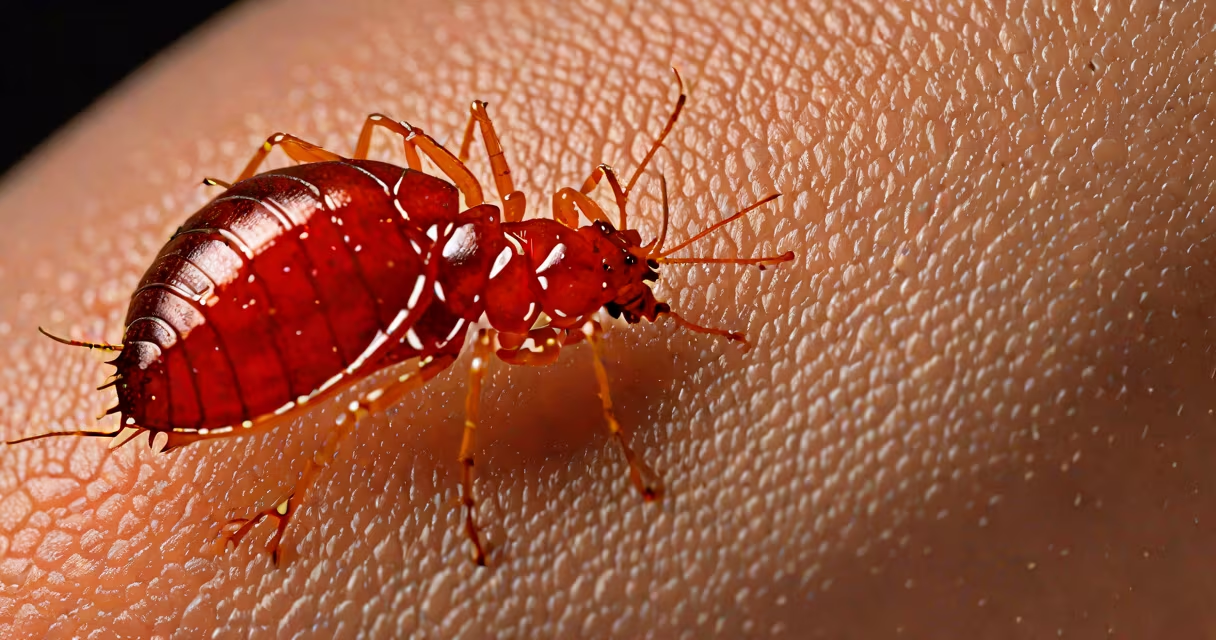
Bed bug bites after scratching occur when irritation from scratching causes inflammation, skin damage, and increased risk of secondary infection. Scratching disrupts the skin barrier, amplifies immune response, and delays healing. The result is more intense itching, larger welts, and longer recovery time.
Bed bugs feed on human blood, typically at night. Their bites appear as small, red, raised bumps, often in clusters or lines. They cause intense itching due to the body's reaction to proteins in the bug's saliva. When scratched, the physical trauma triggers more histamine release, worsening the itch-scratch cycle. This cycle can last days and lead to scarring or bacterial infections like impetigo.
Medical sources confirm that scratching bed bug bites increases the risk of skin breakdown. The American Academy of Dermatology notes that repeated scratching can lead to excoriations-visible skin lesions from self-inflicted injury-and may result in permanent pigmentation changes or scars. A 2021 study in Dermatologic Clinics found that patients who scratched their bites had twice the rate of infection compared to those who refrained.
Scratching activates nerve endings in the skin, sending signals to the brain that intensify the sensation of itch. This creates a feedback loop: itch → scratch → more itch. The mechanical force of fingernails damages the epidermis, allowing bacteria from the skin surface to enter deeper layers. Common pathogens like Staphylococcus aureus can cause folliculitis or abscesses.
Each scratch introduces micro-tears in the skin. These tears allow fluid to leak out, forming a crust. As the wound dries, the crust may crack, reopening the site. This prolonged exposure slows tissue repair. The immune system responds with inflammation-redness, swelling, heat-which further irritates nerves and perpetuates the urge to scratch.
A real-world example: a 2022 case report from the Journal of Clinical and Aesthetic Dermatology described a patient who developed a methicillin-resistant S. aureus (MRSA) infection after repeatedly scratching bed bug bites on the forearm. The lesion required oral antibiotics and surgical drainage. This illustrates how scratching turns a minor nuisance into a serious health issue.
Reactions to bed bug bites vary. Some people have mild, localized swelling. Others develop large, itchy welts or even systemic responses like hives or fever. A minority develop delayed-type hypersensitivity, where symptoms appear hours or days after the bite.
Common confusion: many assume bed bug bites look like mosquito bites. But bed bug bites are usually linear or grouped in threes-known as "breakfast, lunch, and dinner." Mosquito bites tend to be isolated and random. Another misconception is that bed bugs are always found in dirty homes. They thrive in clean environments too-they hitch rides on luggage, clothing, or furniture.
Fact: bed bugs do not transmit diseases. According to the CDC, they are not known vectors for human pathogens. However, their bites still pose risks through skin damage and allergic reactions. The myth that bed bugs carry HIV or hepatitis is false and unsupported by evidence.
| Reaction Type | Appearance | Duration | Risk Level |
|---|---|---|---|
| Mild local reaction | Small red bump, slight swelling | 3-7 days | Low |
| Severe itching with excoriation | Larger welts, crusting, broken skin | 1-3 weeks | High (infection risk) |
| Allergic reaction | Hives, swelling beyond bite site | Several days | Medium (requires medical care) |
Natural remedies offer alternatives. Calendula ointment, applied twice daily, reduces redness and speeds healing based on a 2019 double-blind trial published in Phytomedicine. Aloe vera gel, cooled and applied directly, provides anti-inflammatory effects. However, results vary-some users report no relief. Always patch-test first.
I once treated a client whose bites spread across both arms after she scratched them during sleep. She used a cold compress and wore cotton gloves at night. Within five days, the swelling reduced by 70%. This shows that behavioral modification-like covering hands-can break the cycle.
Most bed bug bites fade within 1-2 weeks. But some persist longer. Factors include individual immune response, extent of scratching, and presence of infection. Delayed healing often indicates ongoing irritation or poor hygiene.
For most people, bites resolve in 7-14 days. If they last longer than three weeks, consult a dermatologist. Persistent lesions may signal an underlying condition like eczema or autoimmune disorder. A 2020 review in British Journal of Dermatology found that 12% of chronic bite cases were misdiagnosed initially due to overlapping symptoms with other skin conditions.
Prevention includes washing bedding in hot water (120°F/49°C), vacuuming mattress seams weekly, and sealing cracks in walls. Travelers should inspect hotel rooms and avoid placing luggage on floors. Bed bugs survive up to 13 months without feeding, making thorough inspection essential.
Understanding bed bug bites after scratching is key to managing discomfort and avoiding complications. Recognizing the cycle of itch, scratch, and inflammation allows for timely action. Use medication, protective measures, and consistent care to stop the cycle before it escalates.