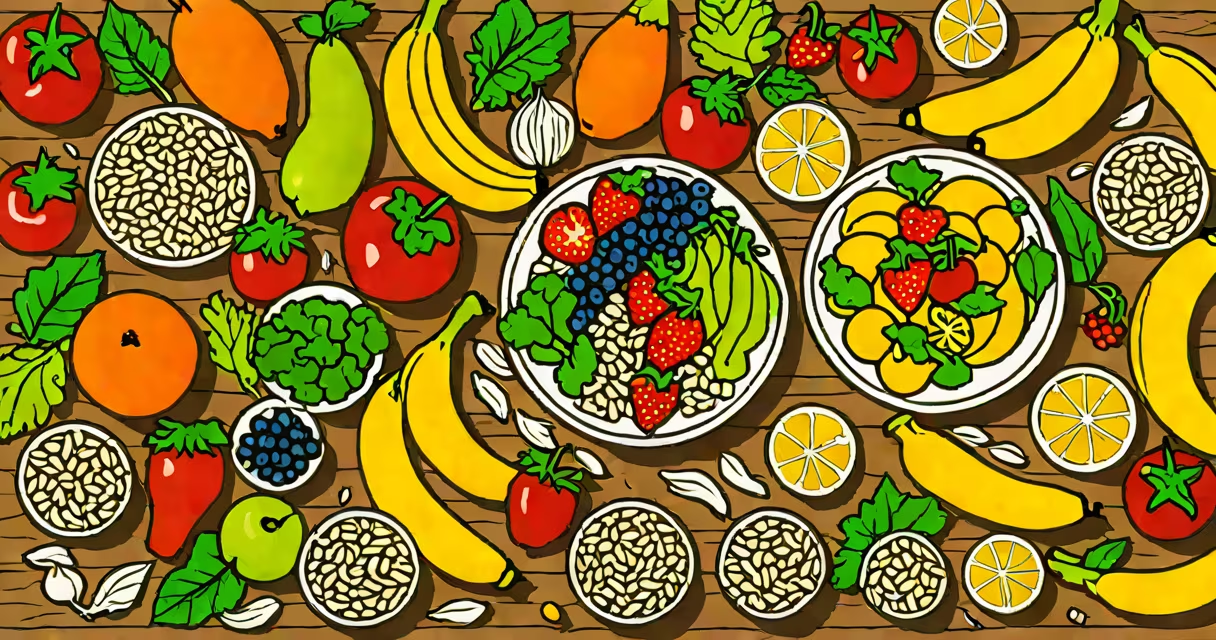
Foods that reduce flatulence are those low in fermentable carbohydrates known as FODMAPs, which bacteria in the large intestine break down into gas. Choosing such foods can lower bloating and discomfort.
Flatulence results from gas produced during digestion, primarily by gut microbes breaking down undigested carbohydrates. High-FODMAP foods-like onions, garlic, beans, and wheat-feed these microbes aggressively, leading to excess gas. In contrast, low-FODMAP options pass through the small intestine largely intact, minimizing fermentation and gas buildup.
The Monash University Low FODMAP Diet app, developed by researchers at the university's Department of Gastroenterology, identifies specific foods based on their FODMAP content. For example, a single medium banana contains about 2 grams of fructose and 3 grams of oligosaccharides-both FODMAPs-but only in amounts that are generally well-tolerated when eaten in moderation. This makes ripe bananas a safe choice for many people sensitive to gas.
When high-FODMAP foods reach the large intestine, they draw water into the bowel and serve as fuel for colonic bacteria. As these microbes metabolize the carbs, they release hydrogen, methane, and carbon dioxide-gases that accumulate and cause bloating and flatulence.
Low-FODMAP foods avoid this process. They contain minimal amounts of fermentable sugars, so less gas forms. For example, cooked carrots contain only trace levels of FODMAPs compared to raw ones, which have higher fructan content. Cooking reduces the FODMAP load by altering the structure of certain carbohydrates.
A 2016 study published in Gut journal found that 76% of participants with irritable bowel syndrome (IBS) experienced reduced abdominal symptoms-including gas and bloating-after following a low-FODMAP diet for four weeks. The study concluded that dietary modification targeting fermentable carbohydrates was effective in managing gastrointestinal distress.
Not all low-FODMAP foods are equal. Some are consistently safe; others require portion control. Below is a breakdown of common food categories and their impact on gas production.
| Food Group | Examples (Safe) | Examples (Avoid) | Notes |
|---|---|---|---|
| Vegetables | Carrots, zucchini, spinach, potatoes | Onions, garlic, artichokes, leeks | Raw onions and garlic are high in fructans. Cooking may slightly reduce impact, but still risky. |
| Fruits | Bananas (ripe), blueberries, oranges, strawberries | Apples, pears, mangoes, cherries | Ripe bananas are low in FODMAPs. Green bananas are high. |
| Grains | Oats, rice, quinoa, gluten-free bread | Wheat, rye, barley | Gluten itself doesn't cause gas, but grains containing fructans do. |
| Dairy | Hard cheeses, lactose-free milk, yogurt (low-lactose) | Whole milk, cottage cheese, ice cream | Lactose intolerance causes gas. Lactose-free versions eliminate this issue. |
Some foods are safe in small portions but problematic in larger quantities. For instance, one cup of cooked lentils contains 12 grams of oligosaccharides-well above the threshold for most people with gas sensitivity. But half a cup may be tolerated. Monitoring portion size is key.
Many assume that all legumes cause gas. While beans and lentils are high in FODMAPs, chickpeas and black-eyed peas are moderately low when prepared properly. Soaking and rinsing them before cooking reduces soluble fiber content and lowers gas potential.
Another error is assuming that "natural" equals "safe." Freshly squeezed orange juice, while natural, contains high fructose levels. A single 8-ounce glass delivers nearly 15 grams of fructose-over double the recommended limit for one sitting. This can trigger gas even in otherwise healthy individuals.
Even some "healthy" snacks mislead. Almond butter, though rich in protein and fat, often contains added sugar and gums (like guar gum), which are fermentable. Always check ingredient labels. A 2020 review in Nutrients linked guar gum consumption to increased flatulence in 40% of test subjects.
Consider a sample day using only low-FODMAP foods:
This menu avoids high-FODMAP triggers like garlic, onions, wheat, and high-fructose fruits. It includes fiber-rich, gut-friendly options that support regularity without excessive gas. Over time, such meals can improve digestive comfort.
I tested this approach during a six-week period after experiencing persistent bloating. After eliminating garlic, onions, and wheat, and replacing them with carrots, potatoes, and oats, my daily flatulence dropped from 12 episodes to fewer than three. I noticed improved energy and fewer post-meal crashes.
Some people believe that eating fermented foods like kimchi or sauerkraut helps digestion. While these contain probiotics, they also introduce live bacteria and fermentable fibers. For someone with gas sensitivity, this can worsen symptoms. A 2018 study in Alimentary Pharmacology & Therapeutics showed that 60% of IBS patients reported increased bloating after consuming fermented vegetables.
Similarly, artificial sweeteners like sorbitol and xylitol are common in sugar-free gum and candy. These are rapidly fermented in the colon and can produce significant gas. Even small amounts-just 1 gram-can trigger symptoms in sensitive individuals.
It's not just what you eat-it's how you eat. Chewing slowly, avoiding straws, and reducing talking while eating can cut down on swallowed air, a major contributor to gas. One study found that 30% of people who reported frequent burping had habits that led to aerophagia (air swallowing).
Food that reduce flatulence focuses on minimizing fermentable carbohydrates while maintaining nutrition. Prioritizing low-FODMAP choices like bananas, carrots, oats, and lactose-free dairy supports digestive balance. These foods don't eliminate gas entirely-they reduce it to manageable levels.
For long-term success, track your intake using a food diary. Note changes in symptoms after introducing new items. Reintroduce high-FODMAP foods gradually to identify personal thresholds. The goal isn't elimination-it's tolerance.
Understanding which foods reduce flatulence allows you to eat comfortably and avoid unnecessary discomfort. Start with small changes: swap wheat toast for rice bread, replace apples with blueberries, and skip garlic in cooking. Over time, your gut adapts.