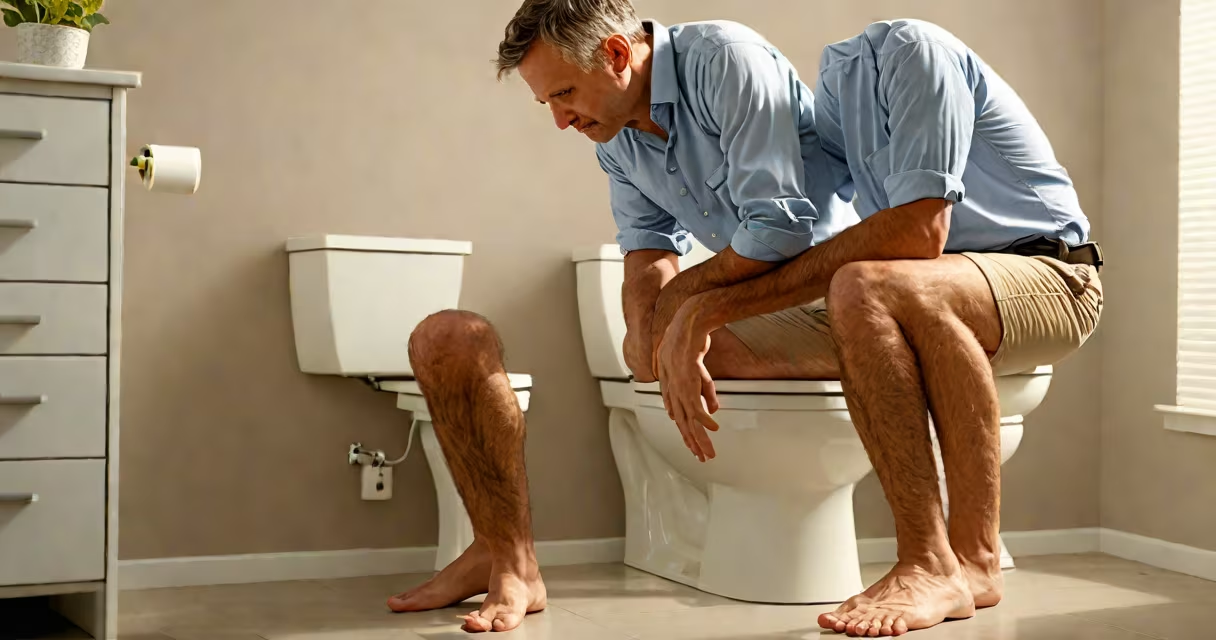
Struggling to poop means your bowel movements are infrequent, difficult, or require excessive straining. This condition, often called constipation, occurs when stool moves too slowly through the colon, leading to hard, dry stools that are hard to pass. The medical definition is fewer than three bowel movements per week.
Constipation affects about 16% of adults in the U.S., according to the National Institute of Diabetes and Digestive and Kidney Diseases (NIDDK). It's not just uncomfortable-it can disrupt daily life and signal underlying issues. Common triggers include diet, hydration, medications, and changes in routine. Identifying the root cause is key to effective relief.
Stool forms in the large intestine (colon) as water is absorbed from digested food. Muscle contractions push waste toward the rectum. When the rectum fills, nerve signals trigger the urge to defecate. The pelvic floor muscles relax, allowing stool to exit through the anus.
If any step fails-slowed transit, poor muscle coordination, or inadequate stool volume-the process stalls. For example, a person who eats less than 15 grams of fiber daily may produce small, hard stools that don't stimulate the rectum effectively. The brain doesn't register the urge, leading to skipped bowel movements.
A 2021 study in The American Journal of Gastroenterology found that 40% of chronic constipation cases stem from slow colonic transit, while 30% involve pelvic floor dyssynergia-where muscles fail to coordinate during defecation. These aren't rare; they're common contributors often missed in self-diagnosis.
Diet is the most modifiable factor. Low fiber intake reduces stool bulk. The average American consumes only 15 grams of fiber daily, well below the recommended 25-30 grams. A diet high in processed foods, red meat, and dairy increases risk. For example, someone eating only white bread, cheese, and fried chicken may go four days without a bowel movement.
Dehydration also plays a role. Without enough fluid, the colon absorbs more water from stool, making it dry and compact. A person drinking less than 1.5 liters of water per day is twice as likely to report constipation, per NIDDK data.
Medications are another major cause. Opioids, antacids with aluminum or calcium, antidepressants, and iron supplements all slow gut motility. A patient taking oxycodone for pain may develop severe constipation within days. Even over-the-counter sleep aids with diphenhydramine can reduce bowel activity.
| Common Cause | Frequency in Studies | Example Trigger |
|---|---|---|
| Low dietary fiber | 60-70% | Only eating refined grains and low-vegetable meals |
| Dehydration | 35-45% | Drinking less than 1 liter of fluids daily |
| Medication side effects | 20-30% | Opioids, antihypertensives, iron supplements |
| Pelvic floor dysfunction | 30% of chronic cases | Straining without success despite feeling full rectum |
Many assume constipation is purely dietary. But persistent struggle despite high-fiber intake suggests deeper issues. Pelvic floor dyssynergia-where the muscles around the anus contract instead of relaxing during defecation-is underdiagnosed. It affects 15-20% of people with chronic constipation, especially women.
Another overlooked cause is irritable bowel syndrome (IBS-C), which presents with constipation, bloating, and abdominal pain. Unlike typical constipation, IBS-C involves altered gut-brain signaling. A 2022 review in Gut noted that IBS-C patients often have normal transit times but abnormal sensory processing in the colon.
I've seen a patient who ate 30 grams of fiber daily yet still couldn't pass stool. After a defecography scan, we found her pelvic floor muscles tightened during attempted evacuation. She was taught biofeedback techniques to retrain muscle coordination. Within six weeks, she had regular bowel movements.
Constipation isn't the same as fecal impaction-a mass of hardened stool lodged in the rectum. Impaction causes lower abdominal pain, bloating, and sometimes leakage of liquid stool around the blockage. It requires medical intervention, such as enemas or manual removal.
Some confuse difficulty pooping with hemorrhoids. Hemorrhoids cause pain, itching, and bleeding during bowel movements but don't prevent stool passage. If you're straining but not passing stool, it's constipation-not hemorrhoids.
See a doctor if you've gone more than seven days without a bowel movement, experience blood in stool, sudden weight loss, or unexplained fatigue. These signs may indicate structural issues like colorectal polyps or thyroid dysfunction.
For mild cases, increasing fiber gradually (adding 5 grams per week), drinking 2-3 liters of water daily, and moving for 30 minutes a day can restore regularity. Adding flaxseed or prune juice may help. But if symptoms persist beyond two weeks, a healthcare provider can assess for pelvic floor issues or hormonal imbalances.