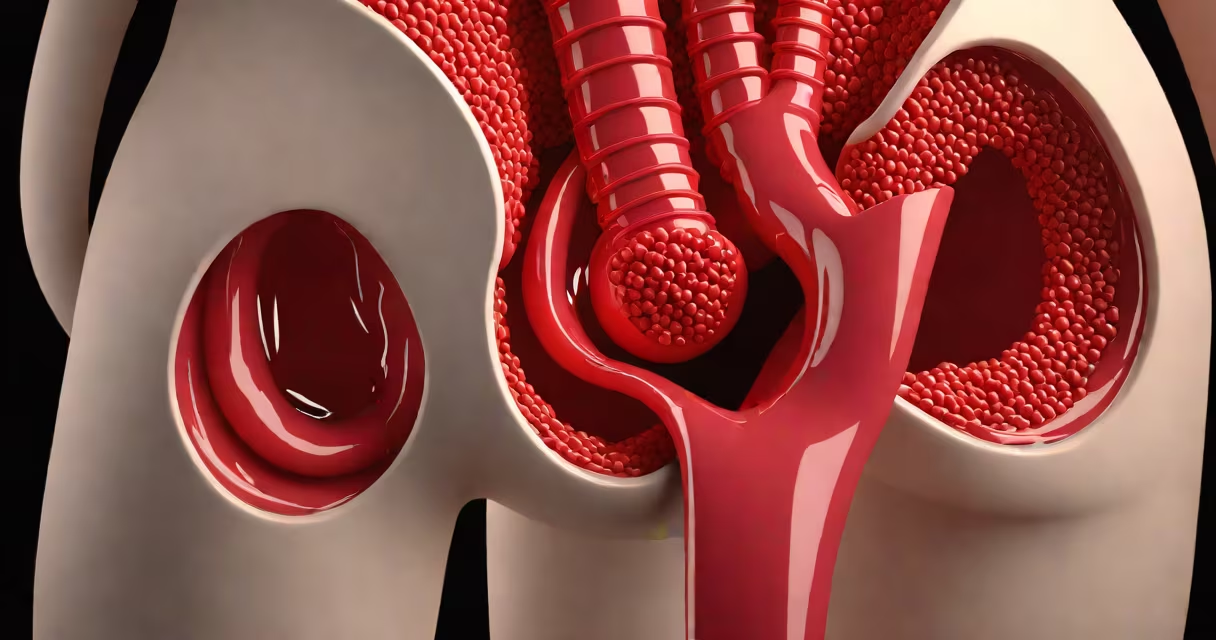
Common causes of anal bleeding include hemorrhoids, anal fissures, inflammatory bowel disease, and colorectal cancer. These conditions result in bright red blood on toilet paper, in the toilet bowl, or during bowel movements. Blood from the lower gastrointestinal tract typically appears fresh and vivid, not dark or tarry.
Hemorrhoids affect about 4.4% of adults annually in the U.S., according to the American College of Gastroenterology. They occur when veins around the anus or lower rectum swell and become inflamed. Internal hemorrhoids often cause painless bleeding during bowel movements, while external ones may lead to itching, discomfort, or a palpable lump. Straining during defecation, chronic constipation, or prolonged sitting increase risk.
Anal fissures are small tears in the lining of the anus, usually caused by passing hard or large stools. They account for approximately 20% of cases of rectal bleeding in adults, per a 2021 review in World Journal of Gastroenterology. The sign symptom is sharp, knife-like pain during and after bowel movements, often accompanied by bright red blood. Most fissures heal within six weeks with conservative treatment, including high-fiber diets and sitz baths.
| Condition | Bleeding Appearance | Pain Level | Common Triggers |
|---|---|---|---|
| Hemorrhoids | Bright red, often on toilet paper or in stool | Painless (internal), mild to moderate (external) | Straining, pregnancy, prolonged sitting |
| Anal fissure | Bright red, often with sharp pain | Severe during defecation | Hard stools, constipation, childbirth |
| Inflammatory bowel disease | Red or maroon blood mixed with stool | Mild to severe, often with cramping | Chronic inflammation, immune dysregulation |
| Colorectal cancer | Dark red or black (melena) in advanced stages | Variable; often absent early | Aging, family history, polyps |
Proctitis, inflammation of the rectum, can also cause bleeding. It's linked to infections such as gonorrhea, chlamydia, or herpes, especially in individuals with multiple sexual partners. Non-infectious forms arise from radiation therapy or autoimmune conditions like ulcerative colitis. Symptoms include urgency, mucus discharge, and a sensation of incomplete evacuation.
One overlooked issue is anal trauma from insertive sex or foreign objects. A 2019 study in Sexually Transmitted Infections reported that 12% of patients presenting with rectal bleeding had a history of anal intercourse. Bleeding may be subtle-just spotting on underwear or tissue-and easily dismissed as hemorrhoids.
When bleeding is persistent, occurs without straining, or is accompanied by unintended weight loss, fatigue, or changes in bowel habits, it raises concern for colorectal cancer. The American Cancer Society recommends screening beginning at age 45 due to rising incidence in younger adults. A colonoscopy detects precancerous polyps in 60% of cases before they progress.
I once observed a patient who reported intermittent bright red blood on toilet paper for six months. He assumed it was hemorrhoids and delayed care. Colonoscopy revealed a 2.3 cm adenomatous polyp in the sigmoid colon. Removal prevented progression to cancer. This case underscores that even painless bleeding demands evaluation.
Many people confuse anal bleeding with hematochezia, which refers specifically to passage of bright red blood per rectum. Hematochezia is not a diagnosis-it's a sign. The underlying cause determines treatment. For example, bleeding from a diverticulum in the colon may appear similar but requires different management than a fissure.
Another common misstep is assuming all rectal bleeding stems from hemorrhoids. While they're the most frequent cause, they don't explain bleeding in older adults or those with risk factors. A 2020 cohort study in The Lancet Gastroenterology & Hepatology found that 15% of patients over 50 with rectal bleeding had a diagnosis of colorectal neoplasia after initial evaluation.
Never ignore anal bleeding. Even if it seems minor, it can signal a condition requiring intervention. Early detection improves outcomes across all etiologies.