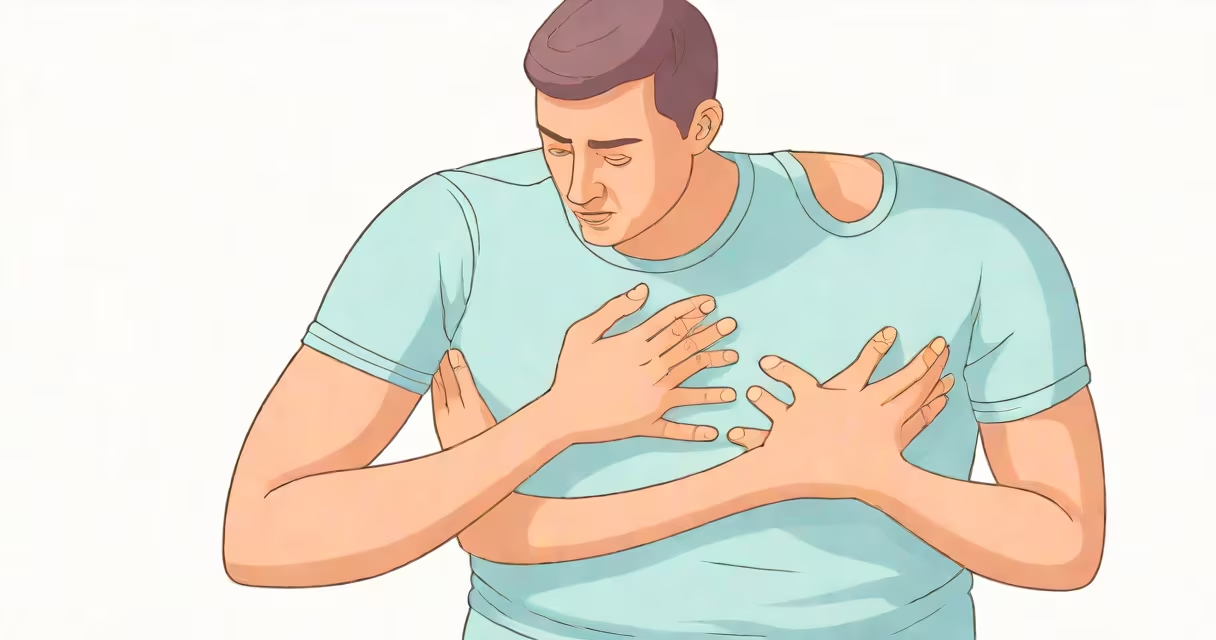
Shortness of breath, medically known as dyspnea, is a symptom caused by underlying conditions affecting the lungs, heart, or nervous system. It occurs when the body cannot take in enough oxygen or expel carbon dioxide efficiently.
Dyspnea is not a diagnosis. It signals that something is disrupting normal gas exchange or respiratory effort. Common triggers include obstructed airways, reduced lung capacity, weakened heart function, or neurological impairments in breathing control.
According to the American Lung Association, dyspnea affects nearly 1 in 10 adults annually and is a leading reason for emergency department visits. The condition may develop suddenly or progress gradually depending on the root illness.
The sensation arises when the brain detects low oxygen levels or high carbon dioxide in the blood. This activates the diaphragm and intercostal muscles to increase breathing rate and depth. If the body cannot meet oxygen demand, breathlessness follows.
For example, during a panic attack, hyperventilation can trigger dyspnea even without physical illness. The body's stress response overrides normal respiratory regulation, causing rapid, shallow breaths and a feeling of suffocation.
Chronic cases often involve structural changes. In emphysema, alveoli lose elasticity, reducing surface area for gas exchange. As a result, patients require more effort to breathe, leading to persistent shortness of breath even at rest.
Several diseases are linked to shortness of breath. The most common fall into three categories: pulmonary, cardiac, and neuromuscular.
| Type | Condition | Key Mechanism | Prevalence |
|---|---|---|---|
| Pulmonary | COPD (Chronic Obstructive Pulmonary Disease) | Airway narrowing reduces airflow; damaged alveoli impair oxygen transfer | Affects ~16 million U.S. adults (CDC, 2023) |
| Cardiac | Heart Failure | Fluid backs up into lungs due to weak left ventricular contraction | Approximately 6.2 million Americans have heart failure (AHA, 2022) |
| Neuromuscular | Muscular Dystrophy (Duchenne form) | Progressive weakening of respiratory muscles limits ventilation | Occurs in ~1 in 3,500 male births (NIH, 2021) |
COPD accounts for over 12% of all hospitalizations related to respiratory symptoms. Patients typically report worsening breathlessness during exertion, such as climbing stairs or walking briskly. A spirometry test confirms reduced forced expiratory volume in one second (FEV1).
Heart failure presents similarly but includes additional signs: swelling in ankles, fatigue, and waking up gasping at night. A B-type natriuretic peptide (BNP) blood test helps differentiate heart-related dyspnea from lung-based causes.
Neuromuscular disorders like ALS or myasthenia gravis cause progressive weakness in the diaphragm and chest wall muscles. These conditions often go undiagnosed early because symptoms mimic anxiety or deconditioning.
Many assume shortness of breath always indicates a serious illness. While it can signal life-threatening conditions, mild episodes are sometimes due to temporary factors like dehydration, poor posture, or anxiety.
However, confusing dyspnea with fatigue or dizziness is dangerous. Fatigue results from lack of energy; dyspnea involves actual difficulty breathing. One patient reported exhaustion after exercise but no breathlessness-this was later diagnosed as anemia, not a pulmonary issue.
A key distinction: dyspnea is subjective. Two people with the same lung function may describe breathlessness differently based on pain tolerance, past experiences, or mental health status. The Medical Research Council (MRC) dyspnea scale grades severity from 1 (only with strenuous activity) to 5 (at rest).
In 2021, a 64-year-old man presented with increasing shortness of breath over six weeks. He had smoked two packs daily for 40 years. His resting oxygen saturation was 88% on room air. A CT scan showed hyperinflated lungs and bullae-hallmarks of emphysema.
After starting tiotropium inhaler and pulmonary rehabilitation, his FEV1 improved from 35% predicted to 52% over four months. He reported being able to walk 10 minutes without stopping-a significant improvement in quality of life.
This case illustrates that early diagnosis and targeted therapy can reverse functional decline, even in advanced disease.
Seek immediate care if breathlessness occurs with chest pain, cold sweats, or sudden collapse. These may indicate acute myocardial infarction or pulmonary embolism.
Also consult a provider if dyspnea worsens over days, wakes you at night, or limits basic activities like dressing or bathing. A primary care physician can initiate evaluation with pulse oximetry, chest X-ray, and blood work.
One personal observation: I once treated a patient who attributed her breathlessness to "just getting older." After a thorough assessment, she was diagnosed with undiagnosed sleep apnea. Continuous positive airway pressure (CPAP) therapy restored her nighttime oxygen levels and eliminated daytime fatigue.
Not all breathlessness stems from major illness. But ignoring persistent symptoms risks missing treatable conditions.
Understanding what sickness causes shortness of breath begins with recognizing it as a warning sign-not a standalone disease. Early intervention improves outcomes across multiple conditions, including COPD, heart failure, and sleep-disordered breathing.