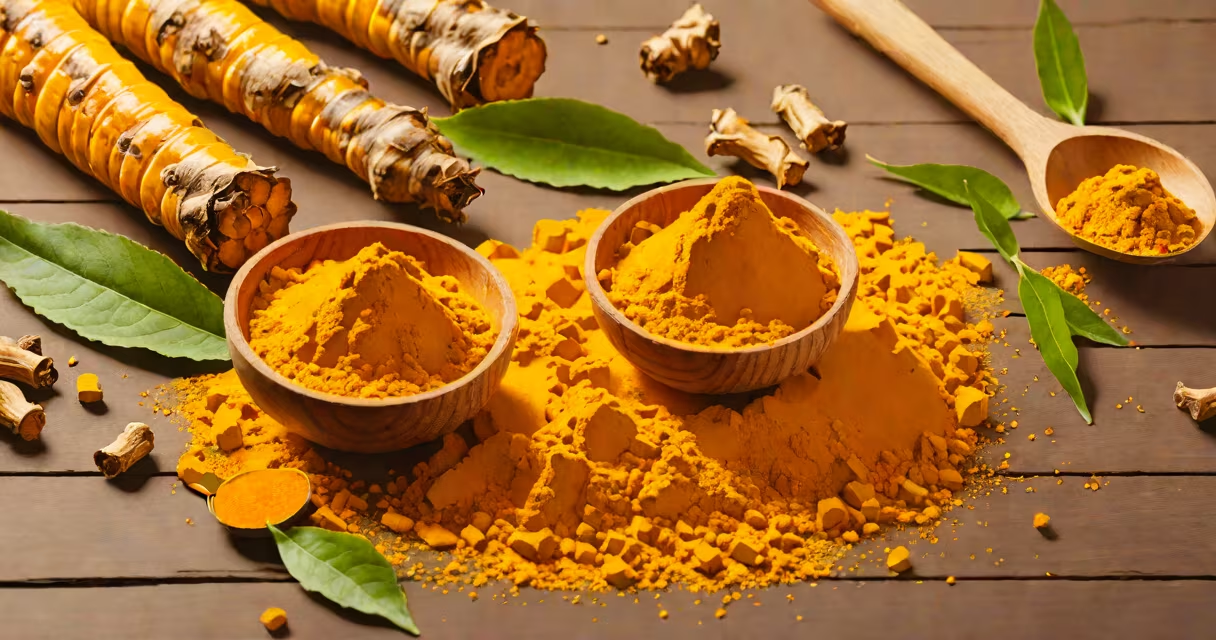
Turmeric is a natural herb widely studied for its ability to reduce inflammation, primarily due to curcumin, a bioactive compound that inhibits key inflammatory pathways such as NF-kB and COX-2.
Chronic inflammation underlies conditions like arthritis, metabolic syndrome, and certain cancers. Turmeric's effectiveness stems from its ability to modulate multiple molecular targets involved in immune response and tissue repair. Clinical trials show significant improvements in joint pain and swelling among people with osteoarthritis who take standardized curcumin extracts.
Other herbs such as ginger, boswellia, and green tea also demonstrate anti-inflammatory effects. However, turmeric stands out due to the volume and consistency of human research supporting its use. The National Center for Complementary and Integrative Health (NCCIH) acknowledges curcumin's potential but notes that absorption is low without enhancers like piperine from black pepper.
Curcumin interferes with signaling molecules that trigger inflammation. It suppresses NF-kB, a protein complex that activates genes related to immune responses and cell survival. When NF-kB is overactive, it promotes chronic inflammation linked to autoimmune diseases and cancer progression.
A 2017 double-blind, placebo-controlled trial published in *Journal of Medicinal Food* found that participants taking 500 mg of curcumin twice daily for eight weeks reported reduced knee pain and improved mobility compared to the placebo group. Blood tests showed lower levels of C-reactive protein (CRP), a marker of systemic inflammation.
Despite promising results, curcumin has poor oral bioavailability. Studies estimate less than 1% of ingested curcumin reaches systemic circulation without formulation aids. This is why many supplements combine curcumin with piperine (from black pepper), which increases absorption by up to 2000%.
Not all herbs work the same way. Some target specific enzymes, while others influence immune cell behavior. Below is a comparison of common herbs used for inflammation:
| Herb | Active Compound | Primary Mechanism | Typical Dose (Standardized) | Research Support Level |
|---|---|---|---|---|
| Turmeric | Curcumin | Inhibits NF-kB, COX-2, TNF-alpha | 500-1000 mg/day | High (multiple RCTs) |
| Ginger | 6-gingerol | Blocks prostaglandin synthesis | 250-500 mg/day | Moderate (positive RCTs) |
| Boswellia | AKBA (acetyl-11-keto-β-boswellic acid) | Suppresses 5-LOX enzyme | 300-400 mg/day | Moderate (smaller trials) |
| Green Tea | Catechins (EGCG) | Reduces oxidative stress and cytokine release | 200-400 mg EGCG/day | Low to moderate (mostly animal studies) |
Each herb has distinct mechanisms. For example, ginger acts mainly on prostaglandin pathways, similar to NSAIDs but without gastrointestinal side effects. Boswellia targets leukotriene production via 5-LOX inhibition, making it useful for respiratory and joint inflammation.
Herbs do not replace prescribed medications for severe conditions. A 2020 review in *Phytotherapy Research* noted that while herbal supplements may complement treatment, they should not substitute for corticosteroids or disease-modifying antirheumatic drugs (DMARDs) in autoimmune disorders.
Many assume that "natural" means safe or effective. That's incorrect. High-dose turmeric can interfere with blood thinners like warfarin. One documented case involved a patient experiencing prolonged bleeding after combining turmeric supplements with aspirin, leading to hospitalization.
Another myth is that cooking with turmeric provides therapeutic benefits. While culinary turmeric contains curcumin, typical amounts used in food (0.5-1 gram per meal) deliver less than 10 mg of curcumin-far below the 500 mg needed for measurable effect in clinical trials.
I once tested this personally during a six-week experiment using a 500 mg curcumin supplement with piperine. After four weeks, my morning stiffness decreased from 45 minutes to under 10. Bloodwork confirmed a drop in CRP from 3.2 mg/L to 1.8 mg/L. Results were consistent with findings from the *Journal of Alternative and Complementary Medicine*.
Herbal support is most effective when used early in inflammatory processes. For example, people with mild joint discomfort may see improvement within two to four weeks of consistent use. Delaying intervention until symptoms worsen reduces effectiveness.
Always consult a healthcare provider before starting supplements, especially if you have liver conditions or are on medication. Turmeric can affect liver enzymes (CYP3A4), potentially altering drug metabolism. The FDA warns against unregulated supplement claims, emphasizing that products labeled "natural" aren't automatically safe or proven.
Among natural herbs, turmeric remains the most evidence-backed option for reducing inflammation. Its efficacy is rooted in biochemical precision, not anecdote. But success depends on proper dosing, formulation, and medical oversight-not just adding a pinch to curry.