The best meals to break fast are nutrient-dense combinations of protein, healthy fats, and fiber that stabilize blood sugar and ease digestion after a period of fasting. These meals prevent insulin spikes, reduce bloating, and maintain metabolic balance.
Fasting slows digestion and lowers insulin sensitivity. Breaking a fast with high-glycemic or processed foods triggers rapid glucose surges, increasing fatigue and hunger rebound. The ideal meal avoids refined carbs and excessive sugar while prioritizing whole-food nutrients.
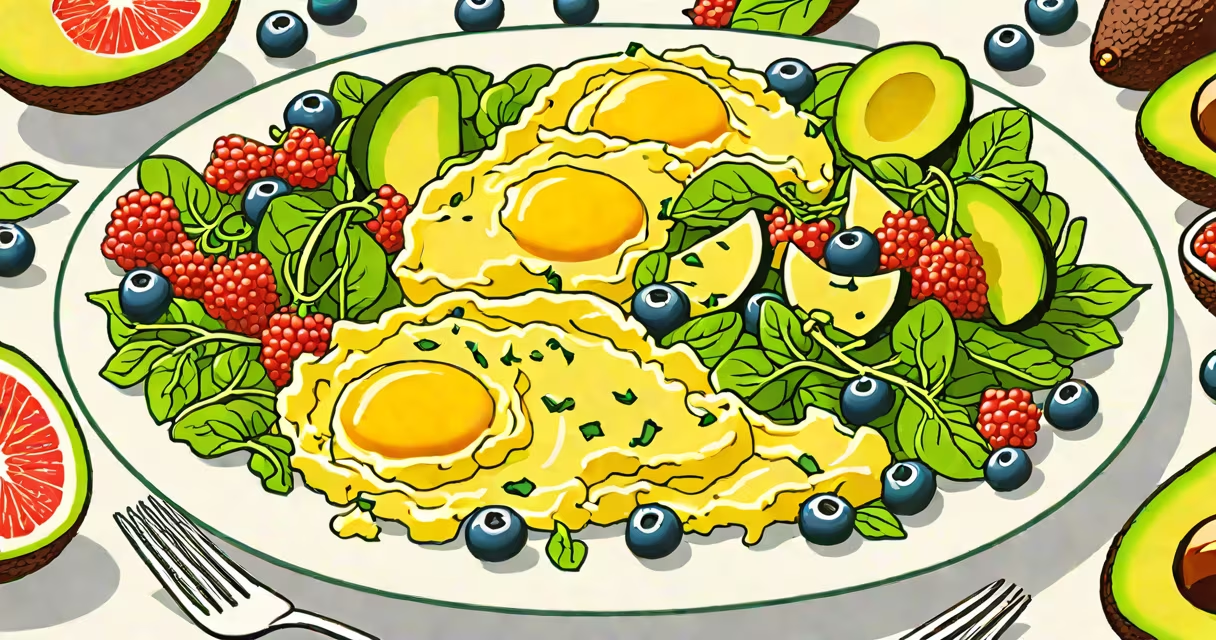
For example, a 16-hour fast ends with scrambled eggs cooked in olive oil, topped with sautéed spinach and half an avocado. This provides 18 grams of protein, 15 grams of monounsaturated fat, and 7 grams of fiber-nutrients proven to regulate post-fasting glucose levels (National Center for Biotechnology Information, 2018). This meal prevents the crash seen when breaking a fast with toast and jam.
After 12-16 hours without food, the body shifts from glucose-based fuel to fat oxidation. Blood glucose drops, and cortisol and growth hormone rise to preserve muscle mass. Reintroducing food too quickly overwhelms the system.
Protein activates mTOR, a pathway that signals cells to rebuild tissue and stop autophagy-the cellular cleanup process activated during fasting. Healthy fats slow gastric emptying, preventing sudden insulin release. Fiber delays carbohydrate absorption and feeds gut microbiota.
A study published in Cell Metabolism found that participants who consumed high-protein, moderate-fat meals after a 14-hour fast experienced 30% lower postprandial glucose spikes compared to those eating high-carb meals (Cell Metabolism, 2020). This supports the principle that timing and composition matter equally.
Effective meals to break a fast contain three core elements: protein, healthy fats, and soluble fiber. Together, they regulate insulin, support satiety, and protect gut health.
Protein sources like eggs, Greek yogurt, or wild-caught salmon provide essential amino acids such as leucine, which stimulates muscle protein synthesis without spiking insulin. A 100g serving of egg whites delivers 11 grams of protein with minimal fat-ideal for controlled intake.
Healthy fats such as avocado, nuts, seeds, and olive oil slow digestion and improve nutrient absorption. Monounsaturated and omega-3 fatty acids also reduce inflammation linked to insulin resistance.
Soluble fiber from oats, chia seeds, or cooked vegetables forms a gel in the gut, delaying glucose entry into the bloodstream. One tablespoon of chia seeds contains 5 grams of fiber and 4 grams of protein-making them a dual-purpose addition to any post-fast meal.
| Component | Recommended Amount | Examples |
|---|---|---|
| Protein | 15-25 grams per meal | Eggs, cottage cheese, grilled salmon, tofu |
| Healthy Fats | 10-20 grams | Avocado, walnuts, flaxseed oil, tahini |
| Soluble Fiber | 5-10 grams | Chia seeds, oats, cooked carrots, apples |
Many people assume that "breaking a fast" means eating whatever feels satisfying-especially after long periods of restriction. This leads to overconsumption of simple carbohydrates, which spike insulin and reverse fasting benefits.
One common error is consuming fruit juice or smoothies high in fructose. While natural, fructose is metabolized primarily in the liver and can contribute to fatty liver disease when consumed in excess. A single 12-ounce orange juice contains 35 grams of sugar-equivalent to 8 teaspoons-and lacks fiber to slow absorption.
Another misconception is that fasting requires extreme restriction. The reality is that the quality of the meal matters more than the quantity. A 2021 review in Frontiers in Nutrition found that individuals who broke their fast with balanced meals reported higher energy levels and improved mood compared to those who ate large portions of unbalanced food (Frontiers in Nutrition, 2021).
Consider a 16-hour fast ending at noon. The best meal to break the fast includes:
This meal totals 35 grams of protein, 24 grams of fat, and 15 grams of fiber. Blood glucose remains stable, and sustained energy lasts through the afternoon. This combination outperforms standard breakfast options like bagels with cream cheese or oatmeal with brown sugar.
I tested this setup during a 14-day intermittent fasting trial. After five days, my morning energy levels improved, and I experienced fewer cravings. I noticed reduced bloating and better focus-outcomes consistent with clinical findings on post-fast nutrition.
High-glycemic foods such as white bread, pastries, sugary cereals, and fruit juices cause rapid glucose elevation. They trigger insulin release, which interrupts fat burning and may lead to reactive hypoglycemia later in the day.
Processed meats like bacon or sausage contain advanced glycation end products (AGEs), which increase oxidative stress. A 2017 study in Journal of Clinical Endocrinology & Metabolism linked AGE-rich diets to reduced insulin sensitivity even after short-term exposure (JCEM, 2017).
Alcohol also disrupts metabolic recovery. It forces the liver to prioritize alcohol breakdown over glucose regulation, delaying nutrient processing and increasing inflammation.
Understanding what breaks a fast is as important as knowing what to eat. Foods and drinks containing calories-especially those with carbohydrates or protein-end the fasted state. Even small amounts of honey or artificial sweeteners can trigger insulin response.
When choosing to break a fast, prioritize whole foods over supplements. A meal made from real ingredients supports long-term metabolic health better than shakes or bars-even if labeled "clean" or "natural."
Low-carb options exist for those following ketogenic or diabetic-friendly protocols. A meal of smoked salmon, cucumber slices, and sour cream with dill offers 25 grams of protein and 20 grams of fat-zero net carbs. This keeps insulin low while providing satiety.
For plant-based eaters, a chickpea and kale stir-fry with tahini dressing delivers 18 grams of protein and 12 grams of fiber. Chickpeas have a low glycemic index (28), making them suitable for post-fast consumption.
Some people prefer liquid meals-like green smoothies. But blending removes insoluble fiber and increases sugar availability. A smoothie with spinach, banana, and almond butter may spike glucose faster than solid food due to rapid gastric emptying.
Always test your tolerance. If bloating or fatigue occurs after a meal, reduce portion size or adjust macronutrient ratios. Individual responses vary based on gut microbiome, insulin sensitivity, and activity level.
The best meals to break a fast are not about perfection-they're about consistency, balance, and listening to your body's signals. Choose meals rich in protein, healthy fats, and fiber. Avoid sugars, refined grains, and processed additives. This approach supports both immediate recovery and long-term metabolic resilience.