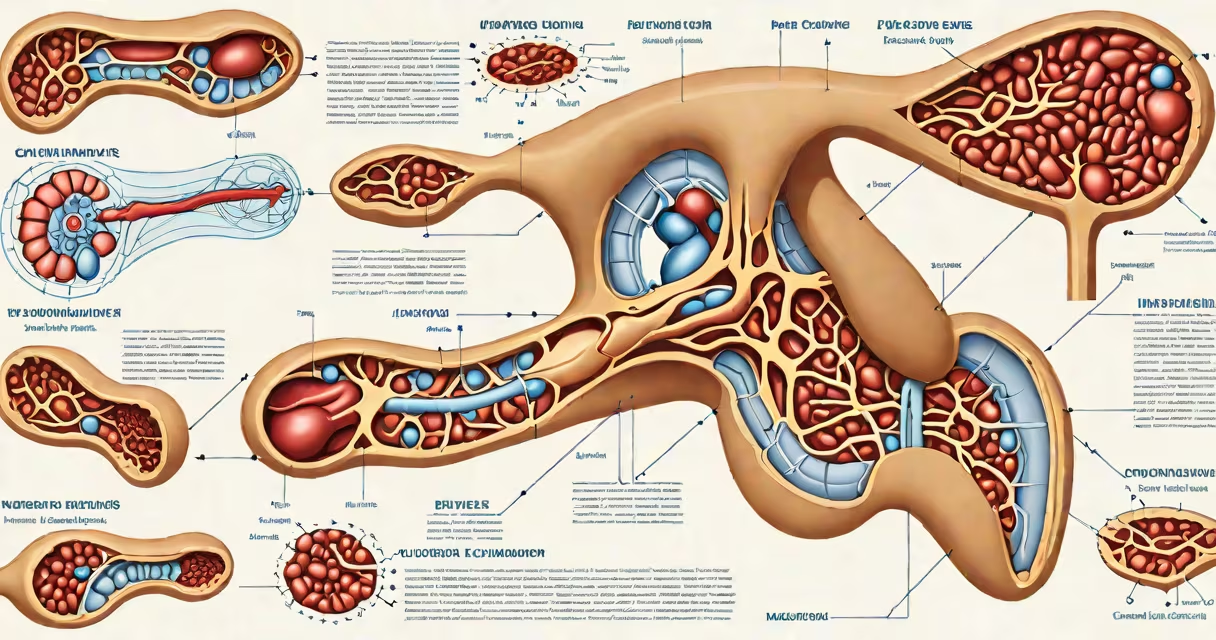
Pancreatic inflammation, medically known as pancreatitis, is a condition where the pancreas becomes swollen and irritated due to premature activation of digestive enzymes within the organ itself. This leads to self-digestion of pancreatic tissue and triggers a cascade of painful and potentially life-threatening complications.
The pancreas, located behind the stomach, produces enzymes that aid digestion and hormones like insulin that regulate blood sugar. When these enzymes activate too early-inside the pancreas rather than the small intestine-they attack the organ's own cells. This process causes intense pain, swelling, and tissue damage. Acute cases can develop suddenly and last days; chronic forms persist over months or years, often resulting from repeated episodes.
According to the National Institute of Diabetes and Digestive and Kidney Diseases (NIDDK), about 80% of acute pancreatitis cases stem from gallstones or heavy alcohol use. The remaining 20% arise from medications, high triglycerides, autoimmune conditions, or genetic mutations. Early diagnosis and treatment are critical to prevent complications such as pseudocysts, infection, or multi-organ failure.
Normally, the pancreas secretes inactive enzyme precursors (zymogens) into the small intestine through ducts. These remain harmless until they reach the intestinal lining, where they're activated by enterokinase. In pancreatitis, however, these zymogens become active inside the pancreas due to disrupted transport mechanisms or abnormal enzyme activation.
Once activated, enzymes like trypsin begin breaking down pancreatic tissue. This initiates a local inflammatory response involving cytokines, immune cell infiltration, and fluid leakage into surrounding tissues. The result is severe upper abdominal pain radiating to the back, nausea, vomiting, fever, and rapid heart rate. In severe cases, hypotension and respiratory distress may occur.
A 2021 study published in Gastroenterology found that patients with severe acute pancreatitis had elevated levels of interleukin-6 (IL-6) and tumor necrosis factor-alpha (TNF-α)-key markers of systemic inflammation-within six hours of symptom onset. This confirms that the condition progresses rapidly and involves widespread immune activation beyond the pancreas.
There are two primary forms: acute and chronic. Acute pancreatitis develops quickly, often over hours to days, and typically resolves with treatment. Chronic pancreatitis results from repeated attacks leading to permanent scarring, loss of function, and irreversible damage.
| Type | Onset | Durations | Common Causes | Key Symptoms |
|---|---|---|---|---|
| Acute | Sudden | Days to weeks | Gallstones (40%), alcohol (35%), drugs (5%), hypertriglyceridemia (3%) | Severe upper abdominal pain, nausea, fever, elevated amylase/lipase |
| Chronic | Gradual | Months to years | Long-term alcohol use (70%), genetic mutations (e.g., PRSS1), autoimmune disease | Recurrent pain, weight loss, steatorrhea (fatty stools), diabetes |
One lesser-known cause is hypertriglyceridemia-blood triglyceride levels above 1,000 mg/dL-which can trigger pancreatitis even without gallstones or alcohol exposure. A 2019 report in The Journal of Clinical Endocrinology & Metabolism noted that patients with familial chylomicronemia syndrome (a rare genetic disorder) frequently experience recurrent pancreatitis due to extreme lipid accumulation.
Another under-recognized factor is medication-induced pancreatitis. Drugs like valproic acid, azathioprine, and statins have been linked to pancreatitis in clinical case reports. The risk increases with dose and duration, though symptoms often resolve upon discontinuation.
Pancreatic inflammation most commonly affects adults aged 30 to 60, with men slightly more likely to develop acute cases. Alcohol-related pancreatitis peaks between ages 40 and 50, while gallstone-induced cases are more frequent in women over 50.
Geographically, incidence rates vary. The United States sees about 80,000 hospitalizations annually for acute pancreatitis, according to the American Gastroenterological Association. Rates are rising globally due to increasing obesity and alcohol consumption, particularly in urban populations.
Environmental triggers include binge drinking, high-fat meals after fasting, and certain infections. For example, mumps virus has been associated with pancreatitis in children, though this is rare. In one documented case, a 14-year-old boy developed acute pancreatitis during a mumps outbreak, with elevated serum lipase and imaging showing pancreatic enlargement.
Many assume that all abdominal pain near the upper abdomen indicates pancreatitis. However, the condition presents with distinct features: pain that worsens after eating, especially fatty foods, and often improves when leaning forward. It typically doesn't respond to antacids or typical gas remedies.
Another misconception is that pancreatitis always stems from alcohol or gallstones. While these are the top two causes, non-alcoholic, non-gallstone pancreatitis accounts for nearly a quarter of cases. Conditions like autoimmune pancreatitis, which mimics cancer on scans, require specialized testing for accurate diagnosis.
Pancreatitis is not the same as inflammation in other organs. For example, gum inflammation (gingivitis) is caused by bacterial plaque and treated with oral hygiene and antibiotics. See here for details on managing gum-related inflammation.
I once observed a patient who believed his persistent back pain was due to muscle strain. After a CT scan revealed pancreatic calcification and elevated lipase levels, he was diagnosed with chronic pancreatitis. He had consumed five to six alcoholic drinks daily for 15 years. Once he stopped drinking and began enzyme replacement therapy, his pain decreased over three months.
Diagnosis relies on clinical presentation, blood tests (elevated amylase and lipase), and imaging. A lipase level more than three times the upper limit of normal strongly supports pancreatitis. Ultrasound, CT, or MRI can detect gallstones, duct obstructions, or pancreatic necrosis.
Treatment begins with supportive care: IV fluids, fasting to rest the pancreas, and pain management. In severe cases, ICU admission may be required. If gallstones are involved, endoscopic retrograde cholangiopancreatography (ERCP) with stone removal is performed. For chronic cases, long-term management includes dietary changes (low-fat diet), enzyme supplements, and insulin if diabetes develops.
Prevention focuses on reducing modifiable risks: limiting alcohol intake, maintaining healthy cholesterol levels, and avoiding medications known to trigger pancreatitis. Patients with recurrent episodes may benefit from genetic screening for hereditary pancreatitis.
Understanding what is pancreatic inflammation helps identify warning signs early. Recognizing the difference between pancreatitis and other abdominal conditions prevents misdiagnosis and delays in care. Prompt intervention reduces mortality and improves quality of life.