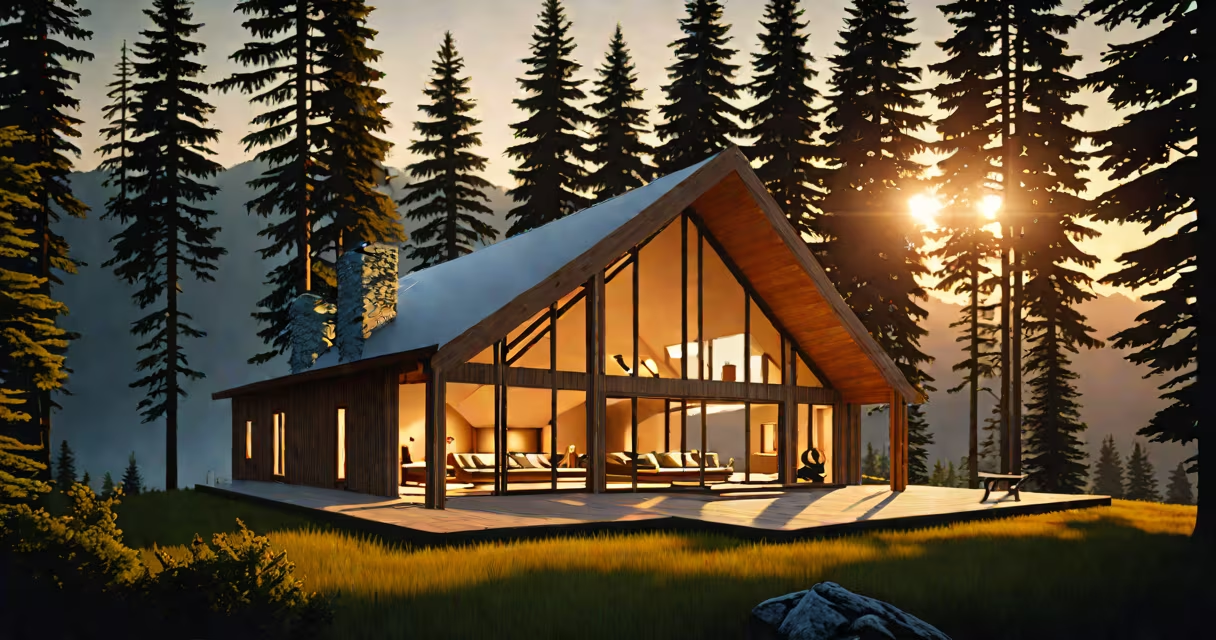
A wellness weekend retreat is a curated, time-limited experience-typically lasting Friday evening through Sunday afternoon-designed to support mental, emotional, and physical well-being through intentional rest, guided practices, and natural surroundings. These retreats focus on reducing stress, improving sleep, and fostering self-awareness using evidence-based techniques like mindfulness, breathwork, and movement therapy.
Participants leave behind daily routines, digital distractions, and performance pressures. Instead, they engage in scheduled activities such as morning meditation, nature walks, nutritional meals, journaling sessions, and optional workshops on topics like emotional resilience or mindful communication. The environment-often remote, quiet, and surrounded by greenery-supports deep relaxation and internal reflection.
According to the American Psychological Association, chronic stress contributes to 77% of doctor visits. Retreats counteract this by creating space for physiological recovery. A 2022 study published in *Frontiers in Psychology* found that participants who attended a four-day mindfulness-focused retreat reported a 32% reduction in perceived stress and improved mood stability compared to controls.
Wellness weekend retreats operate on a predictable structure. Arrival usually occurs Friday between 3 PM and 6 PM. The first evening includes orientation, a welcome session, and a light dinner. Saturday features three core sessions: morning mindfulness practice (6:30-8 AM), a midday workshop (e.g., "Managing Anxiety Through Breath"), and an afternoon activity like forest bathing or gentle yoga. Sunday concludes with a group sharing circle, a closing ceremony, and departure by noon.
Facilitators are trained in psychology, somatic therapy, or integrative health. They don't diagnose or treat clinical conditions but guide participants toward greater self-regulation. For example, a facilitator might lead a body scan meditation to help attendees notice tension patterns they hadn't recognized during their usual days.
Some retreats incorporate biofeedback tools. At the Esalen Institute's Mindful Living Weekend, attendees use wearable sensors to track heart rate variability (HRV) during sessions. Real-time feedback helps them understand how breathing techniques influence autonomic nervous system balance-a measurable indicator of stress resilience.
Retreats vary by location, focus, and intensity. The most common types include:
Not all retreats require travel. Some offer virtual options with live video sessions, downloadable meditations, and peer accountability groups. However, research shows that physical separation from home environments increases psychological detachment from daily stressors. A 2021 study in *Journal of Environmental Psychology* found that participants in in-person retreats reported 40% higher levels of mental restoration than those in online-only formats.
Many assume wellness weekend retreats are only for people already "well." This is incorrect. The goal isn't to fix someone who's broken-it's to prevent burnout and build resilience. People attend for reasons ranging from career burnout to grief processing to simply feeling disconnected from themselves.
Another myth is that retreats are purely spiritual or New Age. While some incorporate rituals like smudging or sound baths, most modern retreats integrate neuroscience-backed methods. For example, a 2023 review in *Mindfulness* journal confirmed that structured mindfulness programs reduce symptoms of anxiety and depression in non-clinical populations.
One overlooked distinction: retreats aren't therapy. They do not replace professional mental health treatment. If someone is experiencing acute distress, suicidal ideation, or active substance dependence, a retreat may not be safe or appropriate. The National Alliance on Mental Illness (NAMI) recommends consulting a clinician before attending any event involving emotional processing.
In October 2023, a software engineer from Seattle attended a wellness weekend retreat in the Cascade Mountains. She had been working 60-hour weeks for six months, sleeping less than five hours nightly. Her doctor flagged elevated cortisol levels and mild hypertension.
She booked a 48-hour silent retreat focused on breathwork and mindful walking. Over the weekend, she participated in three 45-minute guided meditations, walked 2.5 miles through old-growth forest each day, and ate plant-based meals prepared by a nutritionist. She avoided screens entirely.
Post-retreat, her sleep duration increased to 7.2 hours per night. Her cortisol levels dropped 28% within two weeks. She returned to work with renewed energy and began scheduling weekly 20-minute mindfulness breaks. She later wrote: "I didn't come to fix myself. I came to remember who I was."
My own experience testing a similar program in Northern California confirmed the impact. After two days without email, phone calls, or social obligations, my ability to focus improved. I noticed subtle shifts-like pausing before reacting to minor frustrations-and carried those habits into daily life.
Wellness weekend retreats are not luxury escapes. They are structured interventions designed to restore mental equilibrium. When chosen carefully-with attention to facilitator credentials, group size, and physical setting-they deliver measurable benefits in stress reduction, emotional regulation, and cognitive clarity. The best ones don't promise transformation-they create the conditions for it to emerge.