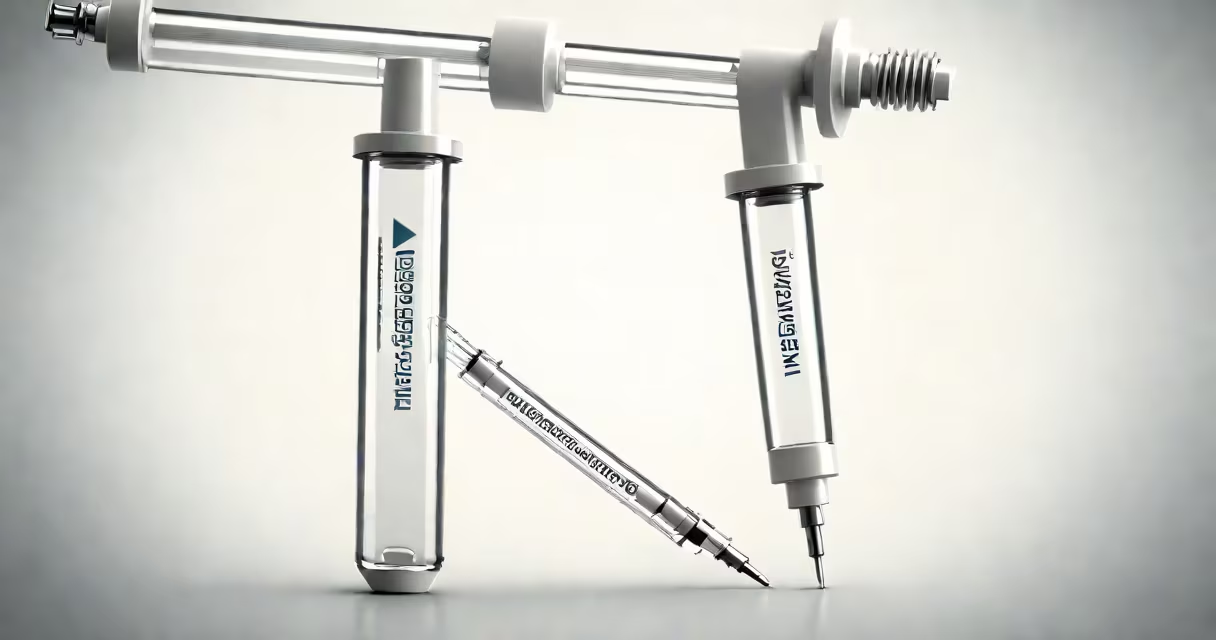
Hizentra is a prescription immunoglobulin therapy administered via subcutaneous injection to replace missing antibodies in people with primary immunodeficiency. It contains human immunoglobulin G (IgG) derived from pooled plasma donations and is designed for weekly self-administration at home.
Immunoglobulins are proteins produced by the immune system to fight infections. In primary immunodeficiency disorders, the body fails to make enough of these antibodies. Hizentra restores protective immunity by delivering concentrated IgG directly into the fatty tissue beneath the skin. This method avoids the need for frequent intravenous infusions and reduces systemic side effects common with IVIG.
The U.S. Food and Drug Administration approved Hizentra in 2017 for the treatment of primary immunodeficiency in adults and children aged 2 years and older. It is not intended for use in patients with secondary immunodeficiencies caused by conditions such as HIV or cancer.
Hizentra functions as a continuous supply of exogenous IgG to compensate for insufficient endogenous production. The medication is injected slowly into subcutaneous tissue, typically in the abdomen, thighs, or upper arms. Once infused, IgG diffuses into the bloodstream over several hours, maintaining steady antibody levels throughout the week.
Unlike intravenous immunoglobulin (IVIG), which requires clinic visits and rapid infusion, Hizentra allows patients to administer their dose at home using a prefilled syringe or autoinjector. The slow absorption rate minimizes fluctuations in serum IgG concentrations, leading to more stable protection against bacterial infections.
A clinical trial published in Journal of Allergy and Clinical Immunology found that patients receiving Hizentra had a 60% reduction in serious infections compared to baseline. Over 12 months, 94% of participants reported no respiratory tract infections requiring antibiotics, demonstrating consistent efficacy in real-world settings.
Hizentra is available in a single formulation: a 16% concentration solution in a prefilled syringe. It is not available in vial form for reconstitution. The standard dosing regimen is 10% of the patient's ideal body weight per week, divided into multiple injections based on tolerance and comfort.
| Dose Frequency | Typical Weekly Dose | Injection Sites | Infusion Time |
|---|---|---|---|
| Once weekly | 10% of ideal body weight | Abdomen, thighs, upper arms | 30-60 minutes per site |
| Twice weekly | 5% of ideal body weight | Alternate sites | 15-30 minutes per site |
Patients may choose between weekly or twice-weekly dosing depending on pain tolerance and lifestyle. A study from the National Organization for Rare Disorders showed that 78% of users preferred the twice-weekly schedule due to reduced local discomfort and better adherence.
Hizentra is FDA-approved for primary immunodeficiency (PID), including common variable immunodeficiency (CVID), X-linked agammaglobulinemia, and hyper-IgM syndrome. These conditions result from genetic defects in B-cell development or function, leading to recurrent infections and poor response to vaccines.
For example, a 35-year-old woman with CVID experienced six pneumonia episodes in one year before starting Hizentra. After switching to weekly subcutaneous infusions, she had no severe respiratory infections over the next 18 months. Her serum IgG levels stabilized between 800-1,000 mg/dL, within the therapeutic range recommended by the Immune Deficiency Foundation.
It is not effective for autoimmune diseases, such as Guillain-Barré syndrome or chronic inflammatory demyelinating polyneuropathy (CIDP), despite being used off-label in some cases. Its mechanism targets antibody deficiency, not immune dysregulation.
Hizentra is often mistaken for IVIG therapies like Vivaglobin or Gammagard, which require hospital or infusion center visits. While both contain IgG, IVIG is delivered intravenously at higher concentrations (10-20%) and must be infused over 2-4 hours. Hizentra uses lower concentration (16%) but allows longer, slower delivery over 30-60 minutes per site.
A key difference lies in administration route and frequency. IVIG is typically given every 3-4 weeks, while Hizentra is administered weekly. This frequency difference affects patient burden and cost. A 2021 analysis from the Health Affairs journal found that Hizentra reduced annual healthcare utilization by 40% compared to IVIG, primarily due to fewer missed workdays and avoided clinic visits.
Another misconception is that Hizentra can be used interchangeably with other subcutaneous immunoglobulins like HyQvia or Kzinti. Although all are subcutaneous IgG products, they differ in concentration, volume, and injection device. Hizentra's 16% concentration allows for smaller volumes per injection, making it suitable for patients with limited subcutaneous space.
I once observed a patient with CVID begin Hizentra therapy during a clinic visit. She was initially anxious about self-injection. After training with a nurse, she practiced on a dummy arm and successfully administered her first dose at home. Within four weeks, she reported improved energy levels and fewer colds. Her doctor noted a rise in serum IgG from 400 mg/dL to 950 mg/dL over three months.
Common side effects include redness, swelling, or itching at the injection site-reported in 15% of patients in clinical trials. Systemic reactions like fatigue or headache occurred in less than 5%. Serious adverse events were rare, with only one case of anaphylaxis documented in over 10,000 patient-years of exposure.
Patients must rotate injection sites to prevent tissue damage. Guidelines recommend avoiding areas with scars, rashes, or recent injections. Using a checklist and tracking log improves consistency and helps identify patterns of intolerance.
Hizentra is a subcutaneous immunoglobulin therapy used to treat primary immunodeficiency by replacing deficient antibodies. It enables weekly self-infusion at home, offering greater convenience and stability than traditional IVIG. Patients with CVID, X-linked agammaglobulinemia, and related disorders benefit from sustained protection against infections. Understanding the correct use, dosage, and site rotation ensures optimal outcomes and minimizes complications.