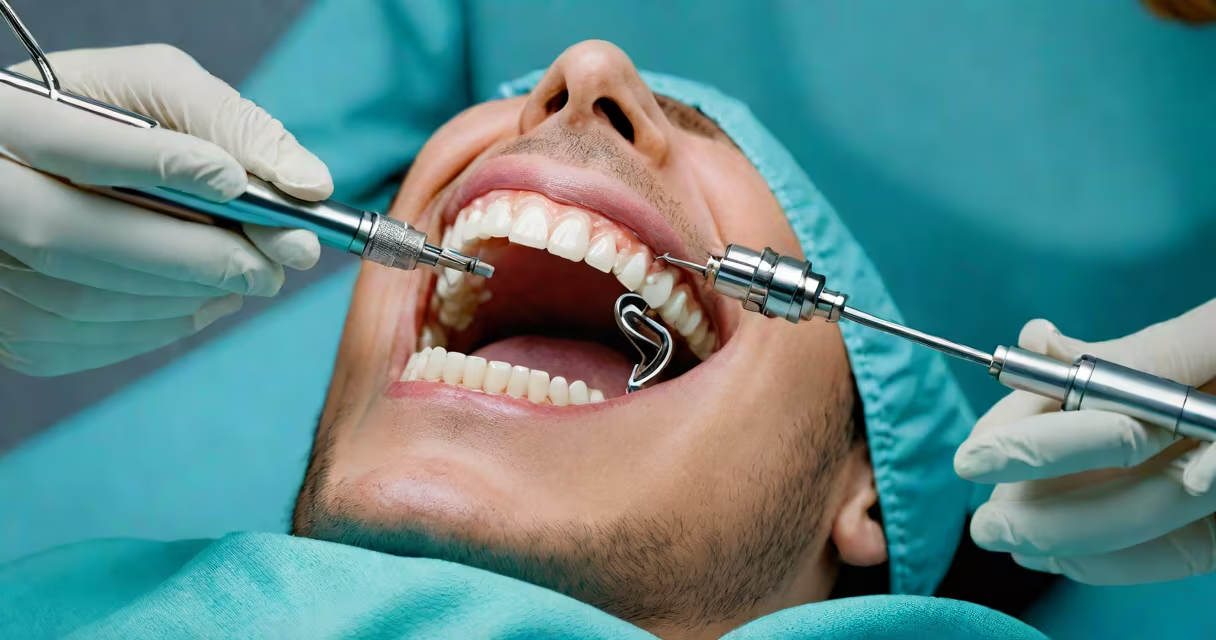
In dentistry, prophylaxis refers to a professional dental cleaning designed to remove plaque, tartar, and surface stains from teeth to prevent periodontal disease and tooth decay. It is a standard preventive procedure performed by dental hygienists or dentists during routine checkups.
The term originates from Greek, meaning "to guard against" or "prevent." In clinical practice, prophylaxis focuses on maintaining oral health by eliminating bacterial buildup that leads to gingivitis and early periodontitis. The American Dental Association (ADA) recognizes prophylaxis as a core component of preventive dental care, recommending it every six months for most patients.
During a typical prophylaxis session, the dentist or hygienist uses hand instruments and ultrasonic scalers to remove calculus (hardened plaque) from above and below the gumline. This is followed by polishing with a gritty paste to smooth tooth surfaces and reduce future plaque accumulation. Fluoride treatment may be applied afterward to strengthen enamel.
A prophylaxis begins with a thorough examination of the gums and teeth. The clinician checks for signs of inflammation, bleeding, or pocketing between teeth and gums-indicators of early gum disease. If these are present, the cleaning may extend beyond basic prophylaxis to include deeper scaling and root planing.
Using an ultrasonic scaler, the provider applies high-frequency vibrations to dislodge tartar deposits. This tool emits sound waves that break apart mineralized plaque without damaging tooth structure. Afterward, hand instruments such as curettes are used to clean hard-to-reach areas, especially near the gumline and between teeth.
Once debris is removed, the teeth are polished with a rubber cup and a fluoride-containing paste. Polishing smooths the enamel surface, making it harder for plaque to adhere. The entire process typically takes 30 to 45 minutes and is generally painless, though some patients report mild sensitivity afterward.
Dental professionals classify prophylaxis based on the patient's oral health status and risk level. The following table outlines common categories:
| Type | When It's Used | Procedure Details |
|---|---|---|
| Standard Prophylaxis | For patients with healthy gums and minimal plaque/tartar | Scaling, polishing, fluoride application. Performed every 6 months. |
| Periodontal Prophylaxis | For patients with diagnosed gum disease or deep pockets | Includes subgingival scaling and root planing. May require multiple visits. |
| Recall Prophylaxis | Follow-up appointments after initial treatment | Focuses on maintenance and monitoring. Often done every 3-4 months. |
Patients with diabetes, smoking habits, or a family history of periodontal disease may require more frequent prophylaxis sessions. According to the Centers for Disease Control and Prevention (CDC), adults with untreated gum disease are twice as likely to develop cardiovascular issues, underscoring the importance of regular prophylaxis.
Many patients assume that prophylaxis is simply a "shiny teeth" procedure. While aesthetic improvement is a side effect, the primary goal is disease prevention. Tartar cannot be removed by brushing or flossing alone-once calcified, it requires professional intervention.
Another misconception is that prophylaxis replaces daily oral hygiene. This is false. Brushing twice daily with fluoride toothpaste and flossing once a day remain essential. Prophylaxis complements home care, not substitutes for it. A 2022 study published in the Journal of Periodontology found that patients who combined daily brushing with biannual prophylaxis had 67% lower incidence of periodontal pockets compared to those who skipped cleanings.
Some patients also confuse prophylaxis with teeth whitening. Whitening targets intrinsic or extrinsic staining using bleaching agents and is not part of standard prophylaxis. While polishing can temporarily improve tooth appearance, it does not alter natural color. For lasting whitening, separate procedures like in-office bleaching are required.
I once observed a 42-year-old patient with mild gingivitis during a routine visit. She reported no pain but noticed occasional bleeding while brushing. Upon examination, her dentist found moderate supragingival calculus and slight recession. A standard prophylaxis was performed using an ultrasonic scaler and hand instruments. Post-procedure, her bleeding scores dropped from 3 to 0 on the Bleeding on Probing (BOP) index. Over the next six months, she maintained good home care and returned for a follow-up prophylaxis. Her gum health stabilized, and no further treatment was needed.
This case illustrates how timely prophylaxis prevents progression from gingivitis to periodontitis-a condition that can lead to bone loss and tooth mobility. Early intervention reduces long-term treatment costs and preserves natural dentition.
Oral health is linked to systemic conditions. Research from the National Institutes of Health (NIH) shows that untreated periodontal disease increases the risk of type 2 diabetes complications and stroke. Bacteria from infected gums can enter the bloodstream and contribute to chronic inflammation. Regular prophylaxis helps break this cycle by reducing oral pathogens.
Prophylaxis supports quality of life. Patients report improved confidence, better breath, and fewer eating difficulties after cleanings. A 2021 survey by the ADA found that 83% of patients felt more motivated to maintain their oral hygiene after a prophylaxis session.
Prophylaxis is not just about preventing cavities or gum disease-it's a foundational step in lifelong wellness. It's a proactive measure that identifies problems early, often before symptoms appear. For most people, it's a routine, low-risk procedure that delivers measurable benefits.
Understanding what prophylaxis means in dentistry clarifies its role as a preventive key part. It's not a luxury-it's a necessary part of maintaining oral and systemic health. If you've ever wondered what prophylaxis means in dentistry, it's the clinical practice of removing harmful buildup to protect your teeth and gums. The procedure is safe, effective, and widely recommended by dental professionals worldwide.