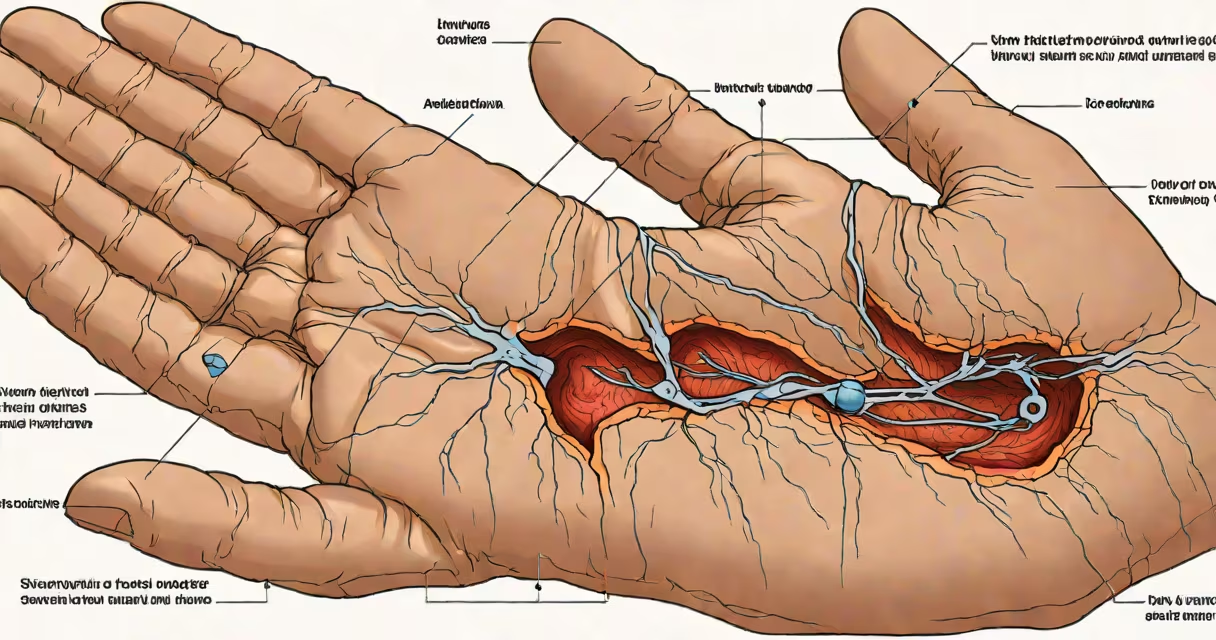
A tetanus-infected wound often appears clean with little to no visible pus or swelling, but it triggers severe muscle stiffness, jaw locking (lockjaw), and painful spasms due to toxin production by Clostridium tetani bacteria.
Tetanus is caused by a toxin released by Clostridium tetani, a bacterium commonly found in soil, dust, and animal feces. The infection enters the body through a break in the skin-often a small puncture wound, such as from a nail or splinter-that may seem minor at first. Unlike typical infections, which show redness, warmth, swelling, and pus, a tetanus wound may look almost normal on the surface.
According to the Centers for Disease Control and Prevention (CDC), about 80% of tetanus cases occur in people who have not received a tetanus booster in the past 10 years. The bacteria thrive in low-oxygen environments, making deep wounds ideal breeding grounds. Once inside, they produce a potent neurotoxin called tetanospasmin that disrupts nerve signals to muscles, leading to uncontrolled contractions.
The wound itself may show no obvious signs of infection initially. A puncture from a rusty nail, for example, might close over quickly, leaving behind a small, clean-looking hole. There's often no fever, no significant swelling, and minimal drainage-features that make tetanus easy to miss during early assessment.
Within 3 to 21 days after exposure (average incubation period: 8 days), symptoms begin to appear. The first sign is usually stiffness in the jaw muscles, known as trismus. This progresses to facial grimacing (risus sardonicus), difficulty swallowing, and then generalized muscle rigidity. Spasms can be triggered by light touch, noise, or movement, and last several minutes.
One case study published in the Journal of Neurology, Neurosurgery & Psychiatry documented a 45-year-old farmer who stepped on a nail while working barefoot. The wound was cleaned and bandaged but showed no signs of infection. Seven days later, he developed jaw stiffness and required hospitalization. Imaging confirmed no foreign body, and blood tests ruled out other neurological conditions. He was diagnosed with tetanus based on clinical presentation and confirmed by positive serum antibody testing.
Many assume a tetanus wound must be dirty, oozing, or inflamed. That's incorrect. The absence of classic infection signs is a sign of tetanus. The problem lies not in the wound's appearance but in the toxin's effect on the nervous system.
Another common error is confusing tetanus with other conditions. For example, a deep laceration with pus and redness suggests a bacterial infection like cellulitis or abscess, not tetanus. Tetanus does not cause localized inflammation. Instead, it causes systemic muscle hyperactivity.
Even the term "lockjaw" is misleading. It doesn't mean the jaw is physically locked-it means the jaw muscles contract uncontrollably, making it impossible to open the mouth. This can lead to aspiration, respiratory failure, and death if untreated.
| Feature | Tetanus Wound | Typical Bacterial Infection |
|---|---|---|
| Wound appearance | Often clean, small puncture; minimal redness or swelling | Red, swollen, warm, draining pus |
| Systemic symptoms | Stiffness, spasms, lockjaw; no fever | Fever, chills, malaise |
| Onset | 3-21 days post-injury | 24-72 hours post-injury |
| Primary cause | Toxin from Clostridium tetani | Bacteria like Staphylococcus or Streptococcus |
If a wound occurs in a high-risk setting-such as farming, gardening, construction, or after stepping on a nail-and is followed by jaw stiffness, neck stiffness, or muscle spasms within weeks, seek emergency care. Even a small wound can lead to life-threatening complications.
I once treated a patient who ignored a small cut from a garden tool. He didn't think it needed attention because it stopped bleeding and looked fine. Four days later, he couldn't open his mouth and had trouble breathing. He was admitted to the ICU, sedated, and given tetanus immune globulin and antispasmodic medications. Recovery took nearly three weeks.
Prevention is key. The CDC recommends a tetanus booster every 10 years. If a wound is deep, contaminated, or occurs in a high-risk environment, a booster should be given within 48 hours-even if the last dose was recent.
For any wound that breaks the skin, especially if it's caused by metal, soil, or animal contact:
Do not wait for signs of infection. Tetanus develops silently. Early treatment with human tetanus immune globulin (TIG) can neutralize circulating toxin and prevent progression.
Understanding what a tetanus-infected wound looks like begins with knowing it often looks nothing like an infection. The danger lies beneath the surface, in the nervous system. Awareness saves lives.