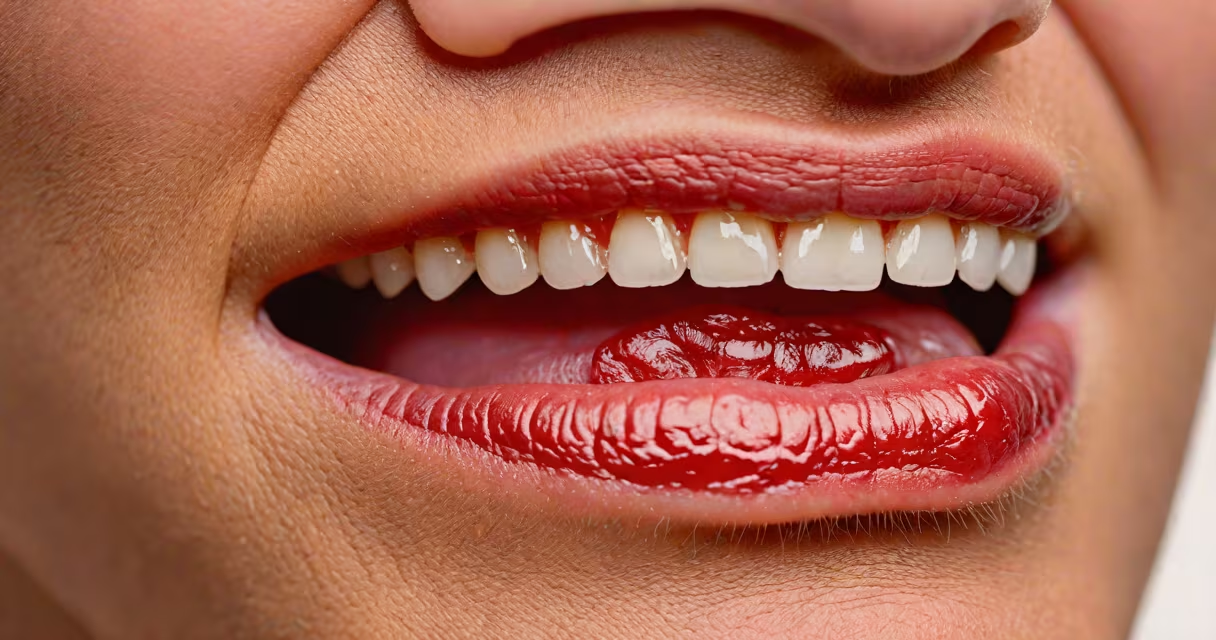
AIDS sores are visible signs of advanced HIV infection, appearing as white, red, or purple lesions in the mouth, on the skin, or in the genital area. They result from weakened immunity and often indicate opportunistic infections or cancers such as Kaposi's sarcoma. These sores are not typical cold sores and require prompt medical attention.
When HIV progresses to AIDS, the immune system collapses. CD4 cell counts drop below 200 cells per microliter, making the body vulnerable to infections and tumors. Sores in this stage are not caused by the virus itself but by secondary conditions it enables. The appearance varies based on location and underlying cause.
Sores form when pathogens or abnormal cells invade tissues due to lack of immune control. In the mouth, fungal infections like candidiasis cause thick white plaques that can't be wiped off. Bacterial infections may lead to painful red ulcers. Viral infections such as herpes simplex cause shallow, fluid-filled blisters that crust over. In rare cases, cancerous growths like Kaposi's sarcoma show up as dark purple or brown patches on the skin or inside the mouth.
These lesions develop slowly over weeks. Early symptoms include soreness, difficulty swallowing, or bleeding when brushing teeth. Without treatment, they spread and increase risk of systemic infection. A single lesion can become multiple if immune function remains low.
Lesions differ by cause. The most common types are fungal, viral, bacterial, and neoplastic. Each has distinct visual features.
| Type | Appearance | Common Location | Underlying Cause |
|---|---|---|---|
| Fungal (candidiasis) | Thick white patches, sometimes resembling milk curds | Tongue, inner cheeks, roof of mouth | Candida albicans overgrowth |
| Viral (herpes simplex) | Small, painful blisters that rupture into shallow ulcers | Lips, mouth corners, gums | Herpes simplex virus 1 or 2 |
| Bacterial (syphilis) | Painless, firm ulcer with clean edges | Genitals, anus, mouth | Treponema pallidum bacterium |
| Cancerous (Kaposi's sarcoma) | Flat or raised purple, brown, or red patches | Face, arms, legs, inside mouth | Human herpesvirus 8 (HHV-8) |
Not all sores are the same. For example, a white patch on the tongue that won't scrape off is likely candidiasis. A painless ulcer on the lip that lasts more than two weeks may be syphilis. A purple spot on the foot that grows larger over time suggests Kaposi's sarcoma. Misidentifying them delays treatment.
Oral sores occur most frequently in people with untreated HIV. The mouth is a hotspot because mucosal surfaces are exposed to microbes. Candida thrives in moist environments and spreads rapidly when immunity fails. A 2021 study in The Journal of Infectious Diseases found that 65% of people with AIDS had oral candidiasis during clinical assessment.
Skin sores often start on the face or extremities. Kaposi's sarcoma lesions typically begin as small spots that darken and enlarge. They may bleed or become infected. Genital sores can mimic other STIs, leading to misdiagnosis. A 2019 report from the Centers for Disease Control and Prevention (CDC) noted that 30% of newly diagnosed AIDS patients had undetected sexually transmitted infections at the time of diagnosis.
Sores are not cosmetic issues. They signal disease progression. A single persistent lesion in the mouth or on the skin should trigger HIV testing and CD4 count verification. Delaying care increases risk of death from preventable complications.
People often mistake AIDS sores for cold sores or canker sores. Cold sores are caused by herpes simplex virus and appear as small blisters around the lips. They heal within 7-10 days. AIDS sores, however, last longer, recur frequently, and don't resolve without antiviral therapy.
Canker sores are small, painful ulcers inside the mouth. They are not contagious and usually heal in 1-2 weeks. AIDS-related sores are often larger, deeper, and associated with fever or weight loss. A canker sore rarely causes systemic symptoms.
Another misconception is that sores only appear late in HIV. This is false. Some people develop oral candidiasis as early as stage 2 of HIV, before AIDS develops. The World Health Organization (WHO) states that oral thrush is a WHO Stage 3 indicator of HIV progression, meaning it signals advanced disease even before CD4 counts fall below 200.
In 2020, a 34-year-old man presented to a clinic with a white patch on his tongue that hadn't gone away after four weeks. He reported fatigue and unexplained weight loss. The patch resisted scraping. A swab confirmed Candida albicans. Blood tests showed a CD4 count of 110 cells/µL and detectable HIV RNA. He was diagnosed with AIDS. After starting antiretroviral therapy, the lesion resolved in six weeks.
This case illustrates that sores are not isolated events. They are part of a broader clinical picture. A single symptom can lead to life-saving diagnosis.
I once observed a patient with Kaposi's sarcoma lesions on the legs and arms. The spots were purplish, slightly raised, and covered a large area. The patient had no pain but reported swelling. Biopsy confirmed HHV-8-positive sarcoma. After initiating ART and chemotherapy, the lesions regressed over six months. The visible improvement underscored how treatable these conditions are when identified early.
If you see a sore that doesn't heal in two weeks, especially with fever, weight loss, or night sweats, seek medical care. A healthcare provider will examine the lesion, take a sample if needed, and test for HIV and other infections. Treatment depends on the cause: antifungals for candidiasis, antivirals for herpes, antibiotics for syphilis, and chemotherapy for cancer.
Recognizing what AIDS sores look like saves lives. They are not just skin or mouth problems-they are warning signs of systemic failure. Prompt action prevents further decline and restores health.
Knowing what AIDS sores look like improves early detection. These lesions signal advanced HIV and demand immediate medical evaluation. Identifying them correctly leads to faster treatment and better survival rates.