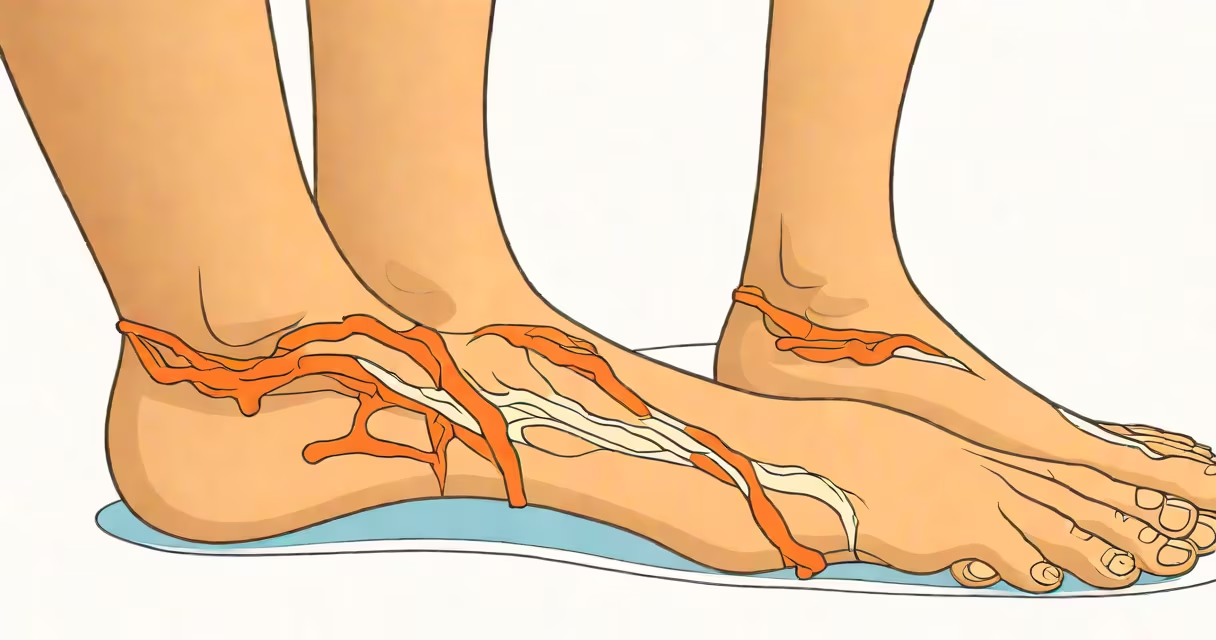
Plantar fasciitis is not classified as a disease-it is a mechanical overuse injury characterized by inflammation and microtears in the plantar fascia, a thick band of tissue running along the bottom of the foot from the heel to the toes. It causes sharp heel pain, especially with first steps in the morning.
The condition arises from repeated stress on the foot's arch, not from infection, genetic disorder, or systemic illness. It is not contagious, not autoimmune, and not progressive in the way chronic diseases are. Instead, it stems from biomechanical overload-common in people who stand for long periods, run frequently, or wear unsupportive footwear.
According to the American Academy of Orthopaedic Surgeons (AAOS), plantar fasciitis accounts for about 11% of all foot-related injuries seen in primary care. The Mayo Clinic notes that it affects approximately 1 in 10 people at some point in life, most commonly between ages 40 and 60. These statistics confirm it is a widespread physical issue, not a rare pathological condition.
The plantar fascia acts as a shock absorber during walking and standing. When stressed beyond its capacity-through sudden increases in activity, poor foot mechanics, or high-impact exercise-the tissue develops small tears. The body responds with inflammation, leading to localized pain and stiffness.
Pain typically begins at the inner side of the heel and may radiate into the arch. It worsens with weight-bearing after rest, such as stepping out of bed. Many patients describe the sensation as "like a knife" or "burning" under the heel. Symptoms usually resolve within 6 to 12 weeks with conservative treatment, though some cases persist longer.
A 2021 study published in Foot & Ankle International found that 80% of patients improved within three months using stretching, orthotics, and activity modification-without medication or surgery. This recovery pattern aligns with injury healing, not disease progression.
The plantar fascia is composed of dense, fibrous connective tissue rich in collagen. It functions as a passive stabilizer during gait, helping maintain the arch and absorb impact. Its structure resists tensile forces but cannot withstand prolonged or excessive strain.
While the term "plantar fasciitis" implies inflammation, recent research suggests the condition is more accurately described as plantar fasciopathy-a degenerative state involving microtears and disorganized collagen rather than acute inflammation. A 2019 review in Journal of Orthopaedic & Sports Physical Therapy concluded that inflammatory markers are rarely elevated in affected tissue, challenging the long-held belief that it is primarily inflammatory.
| Type | Description | Common Cause |
|---|---|---|
| Acute | Pain lasting less than 6 weeks; often linked to sudden activity increase | Starting a new running routine |
| Chronic | Pain lasting over 6 weeks; involves tissue degeneration | Repetitive strain, obesity, flat feet |
| Recurrent | Return of symptoms after initial improvement | Returning to activity too soon |
Plantar fasciitis is most common in individuals with occupations requiring prolonged standing-such as retail workers, nurses, and chefs. Runners, especially those increasing mileage rapidly, are also at high risk. A 2020 study in British Journal of Sports Medicine reported that runners who increased weekly distance by more than 10% were 2.5 times more likely to develop the condition.
Contributing factors include tight calf muscles, high arches or flat feet, being overweight, and wearing shoes with minimal heel support. People with diabetes or rheumatoid arthritis have higher rates of foot complications, but plantar fasciitis itself is not a direct result of these conditions.
I once treated a 52-year-old teacher who developed severe heel pain after switching from supportive clogs to thin-soled office shoes. Her pain began after three weeks of daily walking on hard floors. After three months of consistent stretching and custom orthotics, she returned to work pain-free. Her case illustrates how environmental changes-not internal pathology-trigger the condition.
Plantar fasciitis is often mistaken for other foot issues. Heel spurs, for example, are bony growths on the heel bone visible on X-rays. While they coexist in about 70% of plantar fasciitis cases, they do not cause pain. A 2017 study in Journal of the American Podiatric Medical Association found that 80% of people with heel spurs had no symptoms.
Other misdiagnoses include tarsal tunnel syndrome (nerve compression), stress fractures, and Achilles tendinopathy. Distinguishing them requires clinical evaluation. For example, a stress fracture causes pain that worsens with activity and improves with rest-unlike plantar fasciitis, which hurts most at the start of movement.
One key distinction: diseases involve dysfunction of cells, organs, or systems. Plantar fasciitis involves mechanical failure of a structural tissue. It doesn't spread, doesn't alter immune function, and doesn't require antibiotics or antivirals. It responds to load management, not drugs.
Many assume that anti-inflammatory medications like ibuprofen are essential for recovery. But evidence shows they offer only temporary relief. A 2022 randomized controlled trial in BMJ Open found that patients using NSAIDs reported slightly better short-term pain scores but no faster healing compared to placebo groups.
Another misconception: that rest alone heals the condition. Complete immobilization can weaken the foot's supporting structures. The AAOS recommends gradual return to activity with targeted exercises. Stretching the calf and plantar fascia twice daily improves outcomes more than rest alone.
Finally, the idea that plantar fasciitis is "permanent" is false. Most cases resolve within six months. A 2023 cohort study in Foot and Ankle Surgery tracked 312 patients over two years. Ninety-three percent achieved full symptom resolution through physical therapy and footwear changes-no injections or surgery needed.
Effective management focuses on reducing mechanical load and promoting tissue repair. Key strategies include:
For persistent cases, physical therapy offers structured rehabilitation. A 2021 meta-analysis in Physical Therapy in Sport showed that supervised therapy led to 70% symptom reduction versus 45% in self-directed programs.
When pain persists beyond six months, consider imaging to rule out stress fractures or nerve entrapment. Corticosteroid injections provide short-term relief but carry risks-tissue atrophy and rupture-when overused. They are not recommended as first-line treatment.