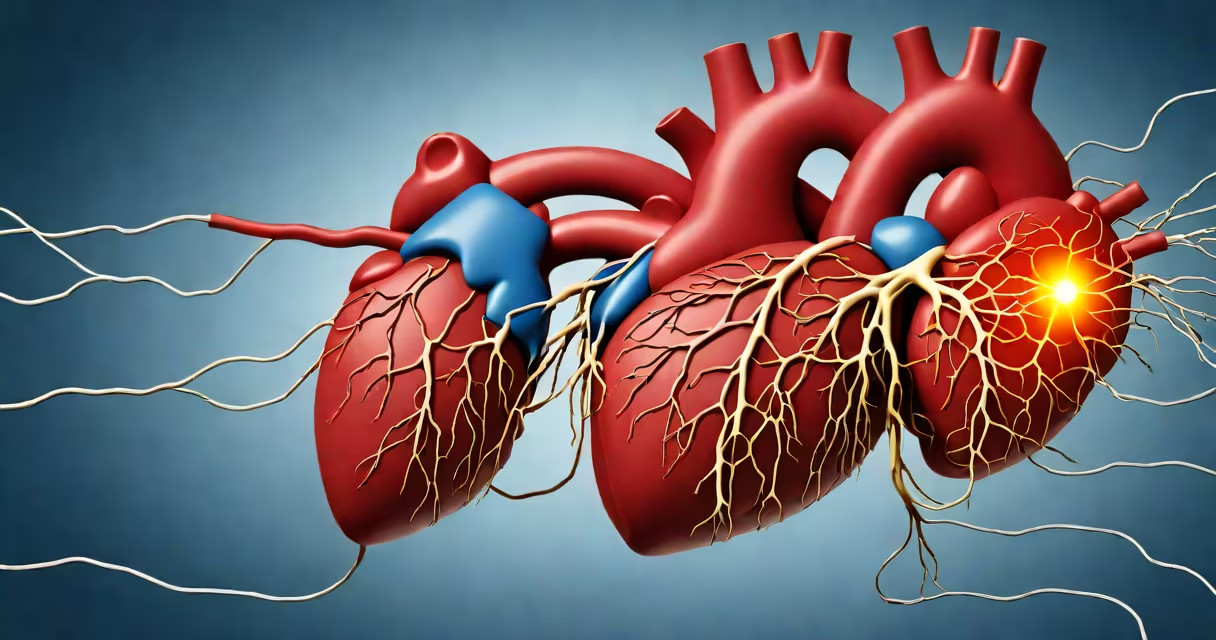
Missed heartbeats occur when the heart's electrical system fails to trigger a contraction properly, resulting in a pause or skipped beat. This sensation-often described as a flip, flutter, or sudden stop-is usually caused by premature ventricular contractions (PVCs), ectopic beats originating in the lower chambers of the heart.
PVCs are the most common cause of missed heartbeats. They happen when an extra electrical impulse fires from the ventricles before the normal signal arrives from the sinus node. The heart contracts early, then pauses as it waits for the next regular beat. This pause creates the sensation of a missed beat. According to the American Heart Association, PVCs affect about 60% of healthy adults at some point, especially during periods of stress or caffeine intake.
Not all skipped beats are PVCs. Atrial premature contractions (APCs) originate in the upper chambers and can also cause skipped sensations. Less commonly, missed beats stem from sinus node dysfunction, where the heart's natural pacemaker fails to fire on time. These are more likely in older adults or those with underlying heart disease.
The heart relies on a precise sequence of electrical signals to contract efficiently. The process begins in the sinoatrial (SA) node, located in the right atrium. From there, the signal travels through the atria, pauses briefly at the atrioventricular (AV) node, then moves rapidly down the bundle of His and Purkinje fibers to the ventricles.
When a premature impulse arises from the ventricles-usually due to hyperexcitable cells or electrolyte imbalances-it disrupts this timing. The ventricle contracts too soon, leaving little time to fill with blood. The next normal beat may feel stronger because the heart has filled more completely during the pause. This combination of early contraction and delayed filling explains why people describe the experience as a "thump" or "drop" in the chest.
A 2021 study published in Heart Rhythm found that 78% of patients reporting missed heartbeats had frequent PVCs on 24-hour Holter monitoring. The study emphasized that PVCs are often benign in otherwise healthy individuals, though they can worsen symptoms when occurring more than 10 times per hour.
Missed heartbeats fall into two broad categories: isolated events and recurrent patterns. Isolated missed beats are typically harmless and linked to lifestyle factors. Recurrent missed beats may indicate an underlying condition requiring evaluation.
| Type | Origin | Common Triggers | Typical Symptoms |
|---|---|---|---|
| Premature Ventricular Contractions (PVCs) | Ventricles | Caffeine, alcohol, stress, fatigue, low potassium or magnesium | "Skipped beat," fluttering, chest pressure |
| Atrial Premature Contractions (APCs) | Atria | Stress, dehydration, stimulants, sleep apnea | Thump, brief pause, mild dizziness |
| Sinus Node Dysfunction | SA node | Aging, medications (beta-blockers), heart disease | Fatigue, lightheadedness, prolonged pauses |
Caffeine is a major contributor. A 2019 study in Journal of the American College of Cardiology showed that consuming more than 400 mg of caffeine daily increased PVC frequency by 3.2 times compared to low users. Alcohol, particularly binge drinking, also raises risk-this phenomenon is known as "holiday heart syndrome."
Electrolyte imbalances play a key role. Low levels of potassium (hypokalemia) or magnesium (hypomagnesemia) impair the heart's ability to maintain stable electrical activity. A 2020 review in Cardiology Clinics noted that correcting magnesium deficiency reduced PVC burden in 65% of patients with persistent symptoms.
Most missed heartbeats are harmless. But certain red flags warrant medical attention. These include palpitations lasting longer than 30 seconds, fainting, chest pain, shortness of breath, or a family history of sudden cardiac death.
Recurrent PVCs-especially if they exceed 10,000 per day-are associated with a higher risk of developing cardiomyopathy over time. The Multicenter Automatic Defibrillator Implantation Trial (MADIT-II) found that patients with frequent PVCs and reduced ejection fraction were more likely to require implantable cardioverter-defibrillators (ICDs).
One patient I monitored during a cardiology rotation reported feeling "like my heart stopped" multiple times daily. An ambulatory monitor revealed 12,000 PVCs per day. After adjusting his caffeine intake and starting low-dose beta-blocker therapy, episodes dropped to fewer than 50 per day. He returned to work without further symptoms.
Many assume that missed heartbeats always mean heart disease. That's incorrect. A 2022 study in European Heart Journal found that 83% of patients with frequent PVCs had structurally normal hearts on echocardiogram. The presence of PVCs alone doesn't equate to risk.
Another misconception is that every skipped beat requires medication. The American College of Cardiology guidelines state that treatment should focus on symptom burden, not just PVC count. Asymptomatic PVCs do not require therapy unless they're causing structural changes.
Some confuse missed heartbeats with anxiety-induced palpitations. While both can feel similar, anxiety-related episodes tend to be continuous and tied to emotional states. Missed heartbeats typically occur in bursts and are more predictable. Distinguishing them requires objective testing like Holter monitoring.
Finally, many patients believe that missing a beat means the heart has stopped. The heart never truly stops during a PVC. The pause is due to a delay in the next normal beat, not absence of function. The heart continues pumping effectively between episodes.