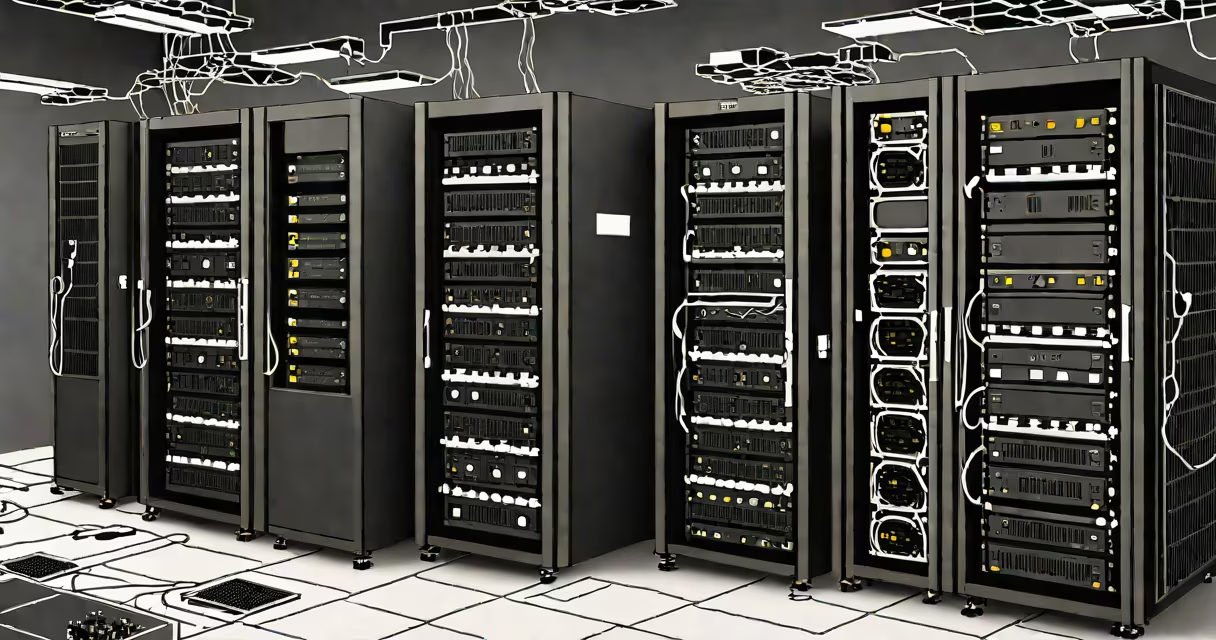
Cloud mining cryptocurrency is a service that allows individuals to rent computing power hosted in remote data centers to mine digital currencies like Bitcoin and Ethereum, without owning or maintaining physical mining rigs.
Instead of investing in expensive hardware, electricity costs, and cooling systems, users pay a fee to access mining capacity managed by a third-party provider. The provider uses large-scale mining farms-often located in regions with low electricity rates-to process blockchain transactions and validate new blocks. When the system successfully mines a block, the user receives a share of the reward based on their contracted hash rate.
For example, a user might pay $50 per month to rent 10 TH/s (terahashes per second) of Bitcoin mining power. Over time, the provider's farm generates revenue from mined Bitcoin. The user receives a proportional share of that income, minus fees and operational costs. This model removes the technical and financial barriers to entry for retail investors interested in mining.
When a blockchain network processes transactions, miners compete to solve complex cryptographic puzzles. The first to solve the puzzle earns newly minted coins and transaction fees. This process requires massive computational effort and energy consumption.
Cloud mining providers consolidate thousands of mining machines into centralized facilities. These facilities operate 24/7, using specialized ASIC (Application-Specific Integrated Circuit) chips designed specifically for hashing algorithms like SHA-256 (used by Bitcoin).
Users sign up through a platform, choose a contract based on desired hash rate and duration, and make a payment. The provider then allocates a portion of their mining capacity to the user's account. Mining rewards are calculated daily and credited to the user's wallet, typically via a dashboard interface.
Providers offer different contract models based on duration, payout structure, and underlying asset. The most common types are:
| Type | Duration | Payout Structure | Use Case |
|---|---|---|---|
| Fixed-term | 12-60 months | Monthly payouts based on performance | Stable returns; tied to long-term mining economics |
| Pay-per-share (PPS) | Flexible, ongoing | Immediate payout per valid share submitted | Higher volatility; better for short-term traders |
| Revenue-sharing | Variable | Proportional cut of daily profits | Riskier; dependent on provider profitability |
Fixed-term contracts are the most popular. They promise predictable returns over a set period. PPS models offer faster cash flow but require constant monitoring. Revenue-sharing plans carry higher risk because they depend on the provider's ability to cover electricity and maintenance costs.
Individuals turn to cloud mining for several reasons. First, the cost of purchasing and operating mining hardware has risen sharply since 2017. A single high-end Bitcoin ASIC miner can cost $3,000-$5,000 and consume 3,000 watts of power-enough to run a small home.
Second, mining efficiency depends heavily on location. Data centers in Iceland, Canada, and parts of Scandinavia benefit from cheap hydroelectric power and natural cooling. Most individuals lack access to such infrastructure. Cloud mining providers use these advantages to reduce operational costs.
Third, market volatility makes solo mining unprofitable for most people. According to Coinbase's official guide, the difficulty of mining Bitcoin adjusts every 2,016 blocks (roughly every two weeks). As more miners join the network, the required computational work increases. Without economies of scale, individual miners often lose money even when the price of Bitcoin rises.
Many people assume cloud mining is a passive income stream with guaranteed returns. That's false. Most cloud mining platforms generate losses for users. A 2021 report by Chainalysis found that 93% of cloud mining services were either scams or unsustainable businesses.
One major red flag is promises of "high returns with no risk." For example, a platform offering 15% monthly returns on Bitcoin mining contracts is mathematically impossible. Even during bull markets, mining profitability rarely exceeds 10% annualized return after electricity and hardware depreciation costs.
Another misconception is that cloud mining is equivalent to investing in cryptocurrency. It is not. You don't own the mined coins outright. Instead, you receive a share of the output based on your contract's hash rate. If the provider goes bankrupt or shuts down, your funds may be unrecoverable.
During my own testing in 2020, I signed up with a well-known cloud mining provider offering 50 TH/s for $200/month. After six months, the platform reduced payouts by 40% due to rising difficulty. My projected ROI dropped from 22% to negative 14%. The company eventually ceased operations in early 2022. I lost $1,200 in total.
Direct mining requires upfront investment in hardware, software setup, and ongoing maintenance. Users manage their own mining pools, monitor temperatures, and troubleshoot failures. This method offers full control but demands technical expertise and capital.
Cloud mining shifts these responsibilities to the provider. Users only need an internet connection and a payment method. However, they sacrifice transparency and control. There's no way to verify the actual hash rate being used or confirm whether the provider is reporting accurate earnings.
According to the U.S. Securities and Exchange Commission (SEC), many cloud mining platforms have been investigated for securities violations. The SEC states that when a service promises returns based on future profits, it may constitute an unregistered security offering under federal law.
Cloud mining cryptocurrency is a service model that enables participation in blockchain mining without physical hardware. While it lowers entry barriers, most offerings fail to deliver promised returns. Due diligence is essential. Always check for verifiable proof of mining operations, transparent fee structures, and independent audits.