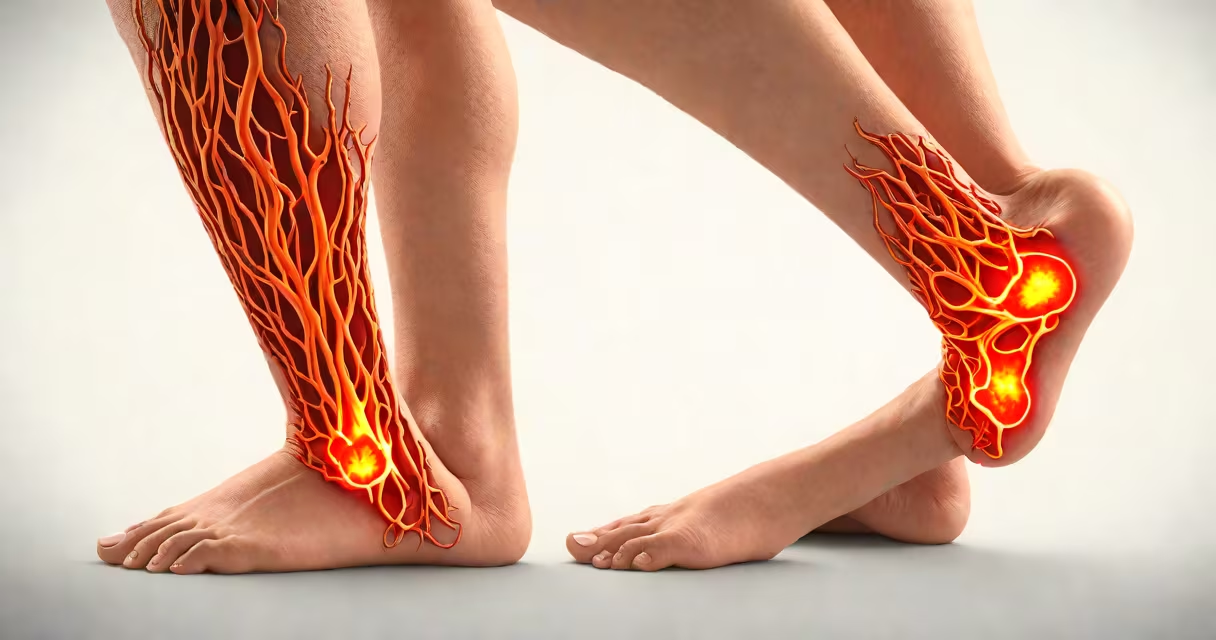
Cellulitis in lower legs is a bacterial infection of the deeper layers of the skin, typically caused by Streptococcus or Staphylococcus bacteria entering through a break in the skin. It presents as red, swollen, warm, and painful areas on the leg, often spreading rapidly if untreated.
The condition arises when bacteria invade the dermis and subcutaneous tissue. Common entry points include cuts, insect bites, athlete's foot, or surgical wounds. Once inside, the bacteria multiply and trigger an immune response that results in inflammation. Left untreated, cellulitis can spread to the bloodstream or lymph system, leading to sepsis or abscess formation.
According to the Centers for Disease Control and Prevention (CDC), about 240,000 people in the U.S. are hospitalized annually due to cellulitis, with most cases involving the lower extremities. The infection is more common in adults over 65 and individuals with compromised circulation or lymphatic function.
Cellulitis begins when bacteria breach the epidermal barrier. The skin acts as a physical shield, but even minor trauma-like scratching a mosquito bite or wearing tight shoes-can create micro-tears. Bacteria then exploit these openings to infiltrate the dermis, where they encounter blood vessels and immune cells.
Once established, the infection triggers vasodilation and increased vascular permeability. This allows fluid, white blood cells, and inflammatory mediators to flood the area, causing swelling, heat, and pain. The affected region becomes tender to touch and may feel hot compared to surrounding skin.
A 2021 study published in JAMA Dermatology found that 78% of lower leg cellulitis cases were linked to a preceding skin injury, even one too small to notice. In 22% of cases, the original wound was not recalled by the patient, underscoring how easily bacteria gain access.
Streptococcus pyogenes and Staphylococcus aureus are responsible for over 90% of lower leg cellulitis cases. These bacteria are commonly found on healthy skin, but they cause disease only when they enter deeper tissues.
Several conditions increase the likelihood of infection:
One non-obvious factor is the role of asymptomatic fungal infections. Athlete's foot, for example, can cause microscopic fissures in the skin between toes. A 2019 study in British Journal of Dermatology showed that people with untreated tinea pedis had a 40% higher incidence of subsequent lower leg cellulitis.
Cellulitis is frequently mistaken for other conditions due to overlapping symptoms. It is not caused by poor hygiene, despite being more common in people with limited access to care. Nor is it contagious-bacteria do not spread from person to person like a cold.
Many assume that red streaks indicate spreading infection. While linear erythema can signal lymphangitis, not all red lines mean the infection is progressing. A 2022 review in Annals of Internal Medicine found that 60% of patients with red streaks did not develop systemic complications when treated promptly.
Another error is confusing cellulitis with deep vein thrombosis (DVT). Both can cause leg swelling and pain, but DVT lacks warmth and redness. DVT involves clot formation in deep veins, while cellulitis is an infection. Misdiagnosis delays proper treatment-antibiotics for cellulitis, anticoagulants for DVT.
In 2023, a 72-year-old man presented with a 3-day history of redness and swelling from ankle to calf. He reported stepping on a nail weeks prior but dismissed it as minor. On exam, the skin was warm, tender, and indurated. Blood tests showed elevated CRP and WBC count.
Culture from a skin swab grew methicillin-sensitive Staphylococcus aureus (MSSA). He was started on oral cephalexin and advised to improve the limb. Within 48 hours, redness receded. After seven days of antibiotics, symptoms resolved completely.
This case illustrates how a seemingly trivial injury can lead to serious infection. The patient had no fever or chills-common signs of systemic illness-but still required intervention. Early recognition prevented hospitalization.
Any new onset of red, swollen, warm, painful skin on the lower leg requires evaluation. Delaying treatment increases the risk of complications such as abscess, necrotizing fasciitis, or bacteremia.
Red flags include:
Understanding the distinctions prevents mismanagement. Below is a comparison of common lower leg issues:
| Condition | Key Cause | Distinctive Signs | Standard Treatment |
|---|---|---|---|
| Cellulitis | Bacterial invasion via skin breach | Redness, warmth, swelling, pain; spreads quickly | Oral or IV antibiotics (e.g., cephalexin, clindamycin) |
| Deep Vein Thrombosis (DVT) | Blood clot in deep leg vein | Swelling, pain, but cool to touch; Homan's sign positive | Anticoagulants (e.g., rivaroxaban) |
| Lymphedema | Impaired lymphatic drainage | Pitting edema, thickened skin, non-painful | Compression garments, manual lymph drainage |
| Peripheral Artery Disease (PAD) | Narrowed arteries limiting blood flow | Leg cramps, cold feet, weak pulses | Medication, exercise, sometimes surgery |
Notice that only cellulitis features warmth and acute pain. Lymphedema and PAD often present with chronic swelling and lack of heat. DVT may mimic cellulitis but lacks warmth and responds poorly to antibiotics.
I once saw a patient who believed her leg swelling was "just fluid." She had mild redness and no fever. Her primary care provider diagnosed "chronic edema" and prescribed diuretics. Two days later, she returned with a temperature of 102.1°F and spreading redness. She was admitted with sepsis secondary to undiagnosed cellulitis.
What causes cellulitis in lower legs is bacterial entry through damaged skin, most often by Streptococcus or Staphylococcus species. It is not a result of poor hygiene or poor circulation alone, though both can increase risk. Prompt recognition and treatment prevent severe complications.
Early intervention reduces hospitalization rates by 60%, according to a 2023 analysis in Journal of the American Academy of Dermatology. If you see redness, warmth, and swelling on your lower leg, seek medical attention within 24 hours. Do not wait for fever or worsening pain.