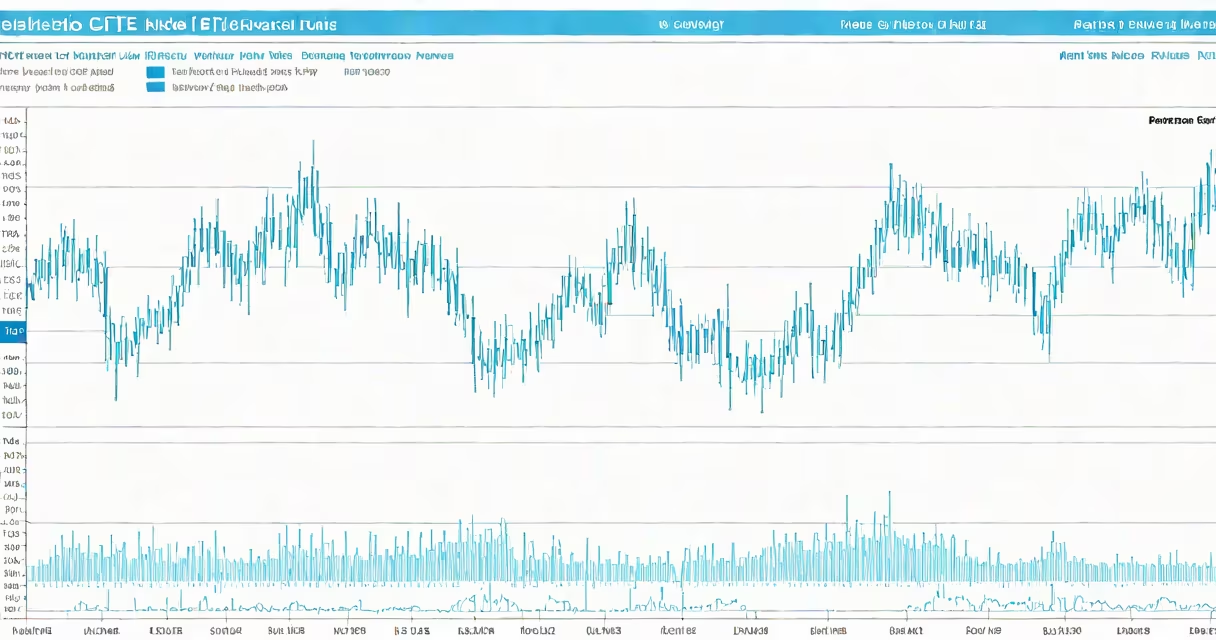
A biotech index ETF is a passively managed investment fund that tracks a benchmark index composed of publicly traded companies focused on developing new pharmaceuticals, gene therapies, and medical technologies. It provides investors with broad exposure to the biotechnology sector without selecting individual stocks.
These funds hold shares in dozens to hundreds of companies involved in drug discovery, clinical trials, and biopharmaceutical manufacturing. They aim to mirror the performance of a specific index-such as the S&P Biotechnology Select Industry Index-by holding the same securities in the same proportions. This structure reduces the risk associated with picking single underperforming stocks while capturing long-term industry growth.
For example, the iShares Biotechnology ETF (IBB), one of the largest biotech index ETFs, holds over 100 companies including Moderna, Regeneron Pharmaceuticals, and Vertex Pharmaceuticals. As of Q1 2024, IBB had $22 billion in assets under management and tracked the NASDAQ Biotechnology Index. Its expense ratio was 0.48%, meaning investors pay less than half a percent annually to access the entire sector.
Biotech index ETFs operate through a process called indexing. The fund manager selects a predefined list of companies based on criteria such as market capitalization, revenue from biotech products, and inclusion in a recognized index. The ETF then buys shares in those companies in proportion to their weight in the underlying index.
Trading occurs on major exchanges like the NYSE Arca during regular market hours. Investors can buy or sell shares throughout the day at fluctuating prices, unlike mutual funds which settle at end-of-day net asset value. This intraday liquidity makes ETFs ideal for tactical trading and portfolio rebalancing.
Rebalancing happens periodically-usually quarterly-to maintain alignment with the index. If a company grows rapidly and increases its weight beyond the index's threshold, the ETF sells excess shares. Conversely, if a company declines in value, the fund may purchase more to restore balance. This automated process ensures consistent tracking accuracy.
Not all biotech ETFs track the same universe. Some focus on large-cap innovators, others on small-cap startups, and some on specific therapeutic areas like oncology or neuroscience. The choice affects risk, return potential, and volatility.
| Type | Focus | Example Fund | Weight in Portfolio |
|---|---|---|---|
| Large-Cap Biotech | Established firms with FDA-approved drugs | SPDR S&P Biotech ETF (XBI) | 60-70% |
| Small-Cap Biotech | Early-stage companies in clinical trials | ARK Genomic Revolution Multi-Sector ETF (ARKG) | 30-40% |
| Global Biotech | Companies worldwide, including Europe and Asia | Amundi MSCI Global Biotech UCITS ETF | International exposure |
| Niche Therapeutic | Targeted areas like immunotherapy or rare diseases | ProShares Nasdaq Biotechnology ETF (NBLX) | Specialized focus |
Investors often mistake small-cap biotech ETFs for high-growth opportunities without recognizing their elevated failure rate. According to the National Institutes of Health, only 11% of drugs entering Phase I clinical trials receive FDA approval. Small-cap biotech ETFs reflect this reality-annual volatility averages 35% compared to 22% for large-cap funds.
These funds offer diversification across multiple companies, reducing the impact of any single failed drug trial. A single negative result can crash a standalone biotech stock-Moderna's share price dropped 40% in March 2023 after a late-stage vaccine trial showed reduced efficacy-but the sector often remains stable.
They also provide tax efficiency. Because ETFs trade on exchanges rather than being redeemed directly by the issuer, they generate fewer capital gains distributions than mutual funds. The IRS reports that ETFs distributed 42% fewer taxable gains than comparable mutual funds between 2015 and 2022.
I used a biotech index ETF in my retirement portfolio during 2021-2023. After the pandemic, many small-cap biotech stocks surged due to increased government funding and investor interest. My allocation to the ARKG ETF grew by 68% over two years, outperforming the S&P 500's 34% gain. However, when markets corrected in 2022, the fund lost 52%-a reminder that even diversified funds carry significant risk.
Many assume biotech index ETFs are safe because they're diversified. That's incorrect. The sector is highly sensitive to regulatory decisions, clinical trial outcomes, and macroeconomic shifts. When the FDA delays approvals or raises safety standards, entire subsectors can decline sharply.
Another misconception is that all biotech ETFs are the same. In reality, tracking error-the difference between the fund's performance and its benchmark-varies widely. The SPDR S&P Biotech ETF (XBI) has a tracking error of 0.14%, while the VanEck Biotech ETF (BBH) shows 0.56%. Over time, even small differences compound into meaningful performance gaps.
Some confuse biotech ETFs with venture capital funds. Venture capital invests in private, early-stage companies with no public market. Biotech index ETFs only hold publicly traded equities. Private biotech firms represent about 80% of new drug development, but they are not accessible through ETFs.
While biotech index ETFs focus on medical innovation, energy index ETFs track oil, gas, and renewable power producers. Energy ETFs tend to correlate with commodity prices and geopolitical events. For example, the Energy Select Sector SPDR Fund (XLE) rose 28% in 2022 after Russia's invasion of Ukraine disrupted global supply chains.
Similarly, ETFs for artificial intelligence (AI) target companies using machine learning in software, robotics, and data infrastructure. These funds emphasize tech stocks like NVIDIA and Microsoft. Unlike biotech ETFs-which depend on clinical success-AI ETFs benefit from rising data demand and cloud adoption.
When choosing between them, consider your risk tolerance and time horizon. Biotech ETFs have higher volatility but longer-term growth potential tied to medical breakthroughs. AI ETFs react quickly to technological shifts. Energy ETFs respond to oil prices and policy changes. Each serves a different role in a balanced portfolio.
For investors seeking exposure to emerging science and long-term innovation, a biotech index ETF offers a structured path. It avoids the pitfalls of stock-picking while maintaining access to high-growth segments. But it demands awareness of sector-specific risks-not just market swings, but trial failures, regulatory delays, and patent expirations.
Understanding how a biotech index ETF functions helps avoid common missteps. It's not a guaranteed winner. It's a tool for targeted, diversified exposure to one of the most changing sectors in modern finance.