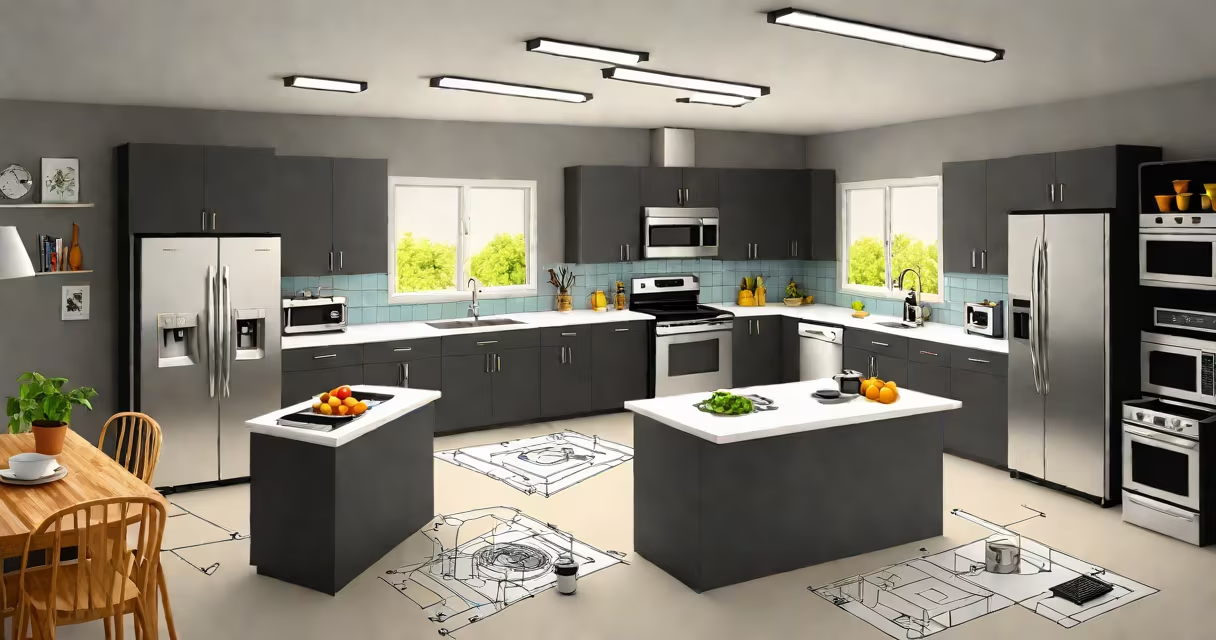
Energy conservation involves reducing energy consumption through behavioral changes and efficient technologies. It lowers utility bills, reduces greenhouse gas emissions, and decreases reliance on fossil fuels. The U.S. Department of Energy estimates that households can cut energy use by 25% through simple, proven actions.
Conservation differs from energy efficiency. Efficiency improves performance-like replacing incandescent bulbs with LEDs. Conservation reduces demand by changing habits-like turning off lights when leaving a room. Both are essential, but conservation often requires no upfront cost.
The average U.S. household spends $2,000 annually on energy. A 25% reduction saves $500 yearly. That's equivalent to 1,000 miles driven less in a gasoline car. The Environmental Protection Agency (EPA) confirms that widespread adoption of conservation practices could eliminate 100 million metric tons of CO₂ annually-equal to removing 21 million cars from roads.
Energy conservation reduces demand. Lower demand means fewer power plants need to operate at full capacity. This cuts fuel use and emissions. For example, switching off a 60-watt bulb for three hours daily avoids 65 kilowatt-hours per year-enough to power a refrigerator for 12 days.
Behavioral shifts have measurable impact. Turning off the heat when away from home for eight hours during winter can reduce heating costs by 10%. Using a clothesline instead of a dryer for 10 loads per month saves about 15 kWh-equivalent to charging a smartphone 300 times.
Smart devices automate conservation. A programmable thermostat set to 68°F (20°C) when awake and 62°F (17°C) when asleep can reduce heating energy use by 10% annually. The EPA's ENERGY STAR program certifies such devices based on verified savings.
Energy conservation spans homes, transportation, and workplaces. The most effective methods focus on high-usage systems: heating, cooling, lighting, and appliances.
| Method | Annual Energy Saved | Cost Reduction | Source |
|---|---|---|---|
| Switching to LED bulbs | 150 kWh per household | $15-$20 | U.S. DOE |
| Setting thermostat 7°F lower in winter | 1,000 kWh (heating) | $100-$150 | EPA |
| Unplugging idle electronics | 50 kWh (phantom load) | $5-$10 | DOE |
| Using cold water for laundry | 300 kWh per year | $40-$60 | EPA |
These numbers reflect typical U.S. households. Savings scale with climate and appliance age. Older refrigerators consume twice as much energy as newer models. Replacing one can save 300 kWh annually-over 100 pounds of CO₂.
One overlooked method is optimizing window shading. Closing blinds during peak sun hours in summer reduces indoor temperature by 10-15°F. This cuts AC runtime by 20%, saving 150 kWh per year. A study by Lawrence Berkeley National Laboratory confirmed this effect across 1,200 homes in California.
Urban areas see higher returns on conservation due to dense infrastructure. In New York City, a single building retrofit reduced energy use by 35% across 100 units. The city's Local Law 84 mandates energy reporting, driving accountability and action.
Conservation also supports grid stability. During heatwaves, peak demand spikes. In Texas, a 2021 blackout was partly caused by unmet demand. If residents had turned off non-essential devices earlier, the strain could have eased. The Electric Power Research Institute notes that coordinated conservation efforts can delay or prevent blackouts.
Transportation accounts for 29% of U.S. energy use. Reducing car trips by 10% through carpooling or biking saves 400 gallons of gasoline annually per household. That's 8,000 pounds of CO₂ avoided-equal to planting 100 trees.
Many assume conservation requires expensive upgrades. But simple habits deliver results. Turning off lights when exiting a room saves 100 kWh per year-no installation needed. The EPA states that 70% of energy savings come from behavior, not hardware.
Another myth: "I'm small, my actions don't matter." In reality, 100 households conserving 100 kWh each equals 10,000 kWh-enough to power 100 homes for a week. Collective impact scales rapidly.
Some confuse conservation with efficiency. A high-efficiency furnace uses less fuel per unit of heat. A conservation practice turns the furnace off when not needed. Both reduce waste, but conservation focuses on intent and timing.
I once installed a motion sensor in a basement hallway. Before, lights stayed on for 10 minutes after people left. After, they turned off automatically. Over six months, the system saved 32 kWh-about $4 in electricity. The device cost $15. Payback in under a year.
Conserving energy extends the lifespan of existing power plants. The U.S. grid relies heavily on natural gas and coal. Reducing demand slows wear and delays the need for new infrastructure. The National Renewable Energy Laboratory estimates that a 20% national reduction in demand could defer $50 billion in grid upgrades.
Energy equity improves when conservation is accessible. Low-income families spend 15% of income on energy-twice the national average. Simple steps like sealing windows and using timers cut bills. Programs like the Weatherization Assistance Program provide free insulation and air sealing to qualifying households.
Every action counts. Turning off unused devices, adjusting thermostats, and choosing walking over driving collectively reduce national energy demand. The goal isn't perfection-it's consistent, intentional reduction. What are some ways to conserve energy? Start with one habit. Measure the change. Build from there.