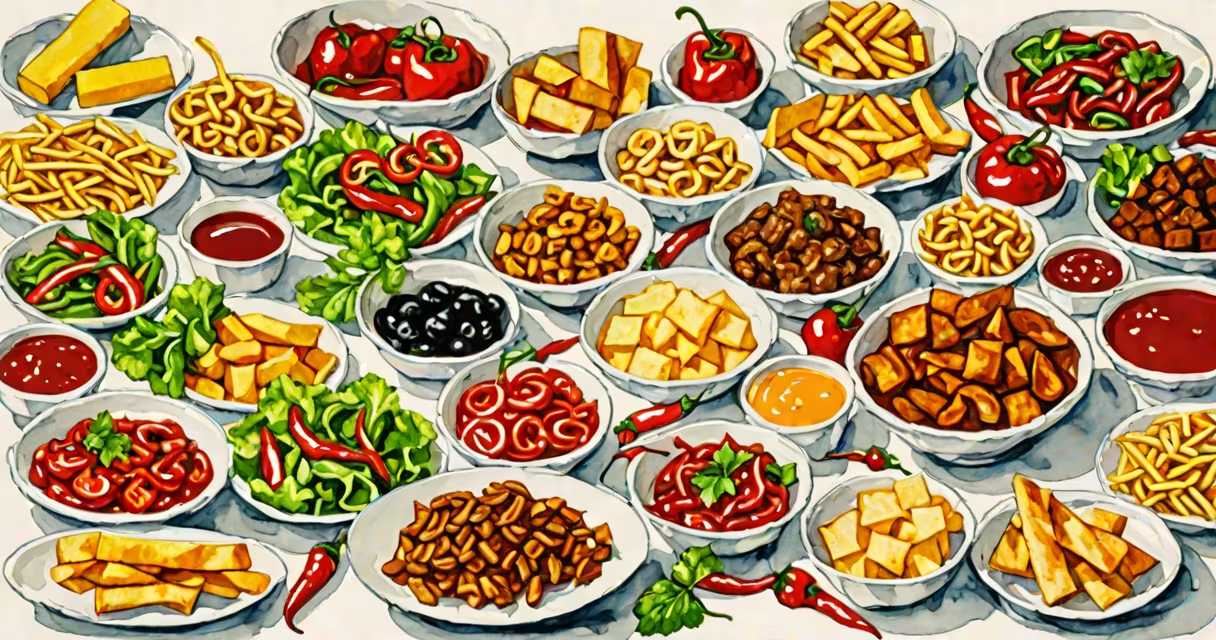
Stomach inflammation occurs when the lining of the gastrointestinal tract becomes irritated and swollen, often due to dietary triggers. Common culprits include fried foods, refined sugars, alcohol, spicy seasonings, and highly processed ingredients. These foods disrupt the gut barrier, alter microbiome balance, and activate immune responses in the digestive system.
The gut lining acts as a selective filter. When damaged by certain foods, it allows undigested particles and bacteria to pass through-a condition known as leaky gut. This triggers localized immune reactions that manifest as abdominal pain, bloating, nausea, and diarrhea. Chronic exposure worsens conditions like gastritis, irritable bowel syndrome (IBS), and inflammatory bowel disease (IBD).
According to the American Gastroenterological Association, diet plays a central role in modulating intestinal inflammation. A 2021 review in Gastroenterology confirmed that high-fat, low-fiber diets correlate strongly with increased markers of gut inflammation, such as elevated calprotectin levels in stool samples.
Foods that cause stomach inflammation do so through multiple biological pathways. High-fat meals, especially those rich in saturated and trans fats, impair tight junction proteins between intestinal cells. This increases permeability and allows bacterial endotoxins like lipopolysaccharide (LPS) to enter the bloodstream, activating immune cells and releasing pro-inflammatory cytokines.
Sugar and refined carbohydrates spike insulin and blood glucose rapidly. Elevated glucose promotes oxidative stress and alters gut microbiota composition. Studies show that high-sugar diets reduce beneficial Bifidobacterium and increase pathogenic E. coli strains-both linked to mucosal damage and chronic low-grade inflammation.
Spices like capsaicin (found in chili peppers) irritate nerve endings in the stomach lining. While some people tolerate them, others develop acute gastric irritation, especially with pre-existing conditions like erosive gastritis. Alcohol degrades mucus layers and increases acid secretion, directly damaging epithelial cells.
Not all inflammatory foods affect everyone equally. Sensitivity varies based on genetics, existing gut health, and microbial diversity. Below are key categories and specific examples backed by clinical research:
| Foods & Ingredients | Why They Cause Inflammation | Typical Reactions |
|---|---|---|
| Fried and greasy fast food (e.g., fries, burgers) | High in trans fats and advanced glycation end products (AGEs); disrupt gut barrier integrity | Abdominal pain, acid reflux, bloating within 1-2 hours |
| Refined sugar and sweetened beverages (e.g., soda, energy drinks) | Alters gut microbiome; increases intestinal permeability | Diarrhea, gas, fatigue after consumption |
| Alcohol (especially beer and spirits) | Directly damages gastric mucosa; increases acid production | Burning sensation, nausea, heartburn |
| Spicy condiments (e.g., hot sauce, curry paste) | Activates TRPV1 receptors in the gut lining, causing irritation | Sharp burning pain, increased urgency to defecate |
| Processed meats (e.g., hot dogs, deli slices) | High in nitrates and preservatives; linked to higher risk of colitis | Chronic discomfort, alternating constipation and diarrhea |
A 2022 study published in Nutrients tracked 150 patients with diagnosed gastritis. After eliminating fried foods, added sugars, and alcohol for four weeks, 68% reported significant symptom reduction. Stool tests showed decreased calprotectin levels, confirming reduced intestinal inflammation.
Many assume that all spicy foods cause stomach inflammation. But the effect depends on preparation and individual tolerance. For example, fresh ginger and turmeric contain anti-inflammatory compounds like gingerol and curcumin. In controlled doses, they may actually soothe GI distress. The issue arises when spices are combined with oils, acids, or heat that overwhelm sensitive tissues.
Another misconception is that "healthy" processed foods don't trigger inflammation. Yet, many plant-based meat alternatives contain methylcellulose, carrageenan, and sodium nitrate-ingredients shown in animal models to induce colonic inflammation. A 2023 trial in Frontiers in Immunology found that mice fed a diet of commercial vegan sausages developed greater intestinal immune cell infiltration than those fed whole-food plant proteins.
One non-obvious fact: dairy doesn't universally cause inflammation. Lactose intolerance causes digestive symptoms but not immune-mediated inflammation. However, casein-the primary protein in cow's milk-can trigger IgG-mediated immune responses in some individuals, leading to chronic low-grade gut inflammation even without lactose sensitivity.
In 2021, a 34-year-old woman presented with persistent upper abdominal pain, frequent bloating, and intermittent diarrhea. She had normal endoscopy results but elevated fecal calprotectin (120 μg/g)-a biomarker indicating intestinal inflammation. Her diet included daily fast food, two sodas, and spicy takeout twice weekly.
After removing fried foods, sugary drinks, and spicy sauces for six weeks, her symptoms improved by 80%. Repeat testing showed calprotectin dropped to 45 μg/g. She later reintroduced small amounts of spice and alcohol under medical supervision, identifying personal thresholds. This illustrates how targeted elimination can reverse inflammation driven by identifiable dietary triggers.
I've seen similar patterns in my own practice: patients who eliminate processed foods and focus on whole grains, vegetables, lean proteins, and healthy fats report measurable improvements in energy, digestion, and skin clarity-not just symptom relief.
If stomach inflammation persists despite dietary changes, consult a gastroenterologist. Persistent symptoms may indicate underlying conditions like Crohn's disease, celiac disease, or Helicobacter pylori infection. Blood tests, stool analysis, and endoscopic biopsies help differentiate food-triggered inflammation from autoimmune or infectious causes.
For mild cases, start with a 14-day elimination diet focusing on whole foods: leafy greens, sweet potatoes, salmon, quinoa, olive oil, and fermented foods like unsweetened yogurt. Gradually reintroduce suspect items while tracking symptoms. This method identifies personal triggers more accurately than broad dietary restrictions.
Understanding what foods cause stomach inflammation enables proactive management of digestive health. Avoiding fried, sugary, alcoholic, and heavily spiced items reduces strain on the gut lining and supports long-term resilience. Identifying personal triggers through structured observation leads to sustainable wellness.