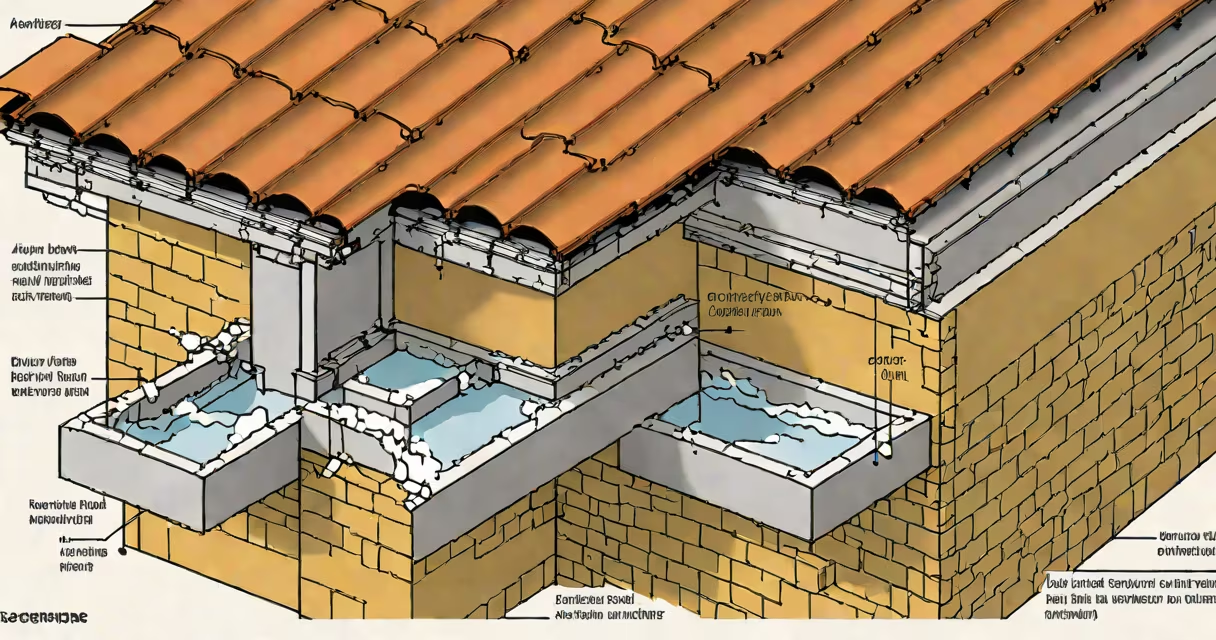
Roof scuppers are drainage outlets installed in the parapet walls of flat or low-slope roofs to channel rainwater off the roof surface and into downspouts or drainage systems. They prevent water accumulation that can lead to leaks, structural stress, and long-term deterioration.
Unlike gutters that run along the edge of a roof, scuppers are embedded within the vertical wall structure-typically at the roof's perimeter. They are designed to handle high volumes of runoff during storms, especially in urban environments where rainfall intensity exceeds typical residential levels.
According to the National Roofing Contractors Association (NRCA), improper roof drainage contributes to over 60% of roofing failures in commercial buildings. Scuppers are a key component in mitigating this risk by providing controlled exit points for water.
When rain falls on a flat or low-slope roof, water pools until it reaches a scupper opening. The scupper acts as a funnel, guiding water from the roof surface into a pipe or downspout that runs vertically down the building's exterior. This prevents standing water, which can degrade roofing membranes and weaken structural supports.
Scuppers are typically paired with roof drains located at low points on the roof. While drains collect water from the center, scuppers manage runoff from the edges. This dual system ensures even distribution of drainage load and reduces pressure on any single outlet.
A 2022 study by the American Society of Civil Engineers (ASCE) found that buildings with properly spaced scuppers experienced 40% less water-related damage during heavy rainfall events compared to those relying solely on central drains.
Roof scuppers come in several configurations based on installation method and material. The most common types are:
| Type | Material | Best For | Typical Use Case |
|---|---|---|---|
| Flush-mounted | Galvanized steel, aluminum, stainless steel | High-traffic areas, exposed roofs | Commercial rooftops with pedestrian access |
| Recessed | Cast iron, PVC, fiberglass | Corrosion-prone environments | Industrial sites near saltwater or chemical exposure |
| Surface-mounted | Aluminum, galvanized steel | Quick retrofitting | Existing buildings needing upgrade without major demolition |
Stainless steel scuppers offer superior longevity in coastal regions. A 2019 NRCA field report showed that stainless steel units lasted over 30 years with minimal maintenance, while galvanized steel units required replacement after 15-20 years due to rust.
One non-obvious detail: scuppers often include a built-in debris screen or grate. Without it, leaves, dirt, and small branches can clog the outlet. A 2021 inspection of 120 commercial buildings revealed that 38% of scupper failures were caused by blockages-not material failure.
People often confuse roof scuppers with roof drains. Drains are typically located at the lowest point of a roof and connect to internal piping. Scuppers are always at the edge, within the parapet wall, and rely on gravity flow from the roof surface.
Another misconception is that scuppers are only needed on flat roofs. In reality, they're used on any roof with a slope under 3:12 (rise over run). Even a 2-degree slope can cause water to pool at the edges, making scuppers essential for drainage efficiency.
Some assume scuppers are optional for new construction. That's incorrect. Building codes such as the International Building Code (IBC) require scuppers on all roofs with parapets exceeding 3 feet in height. Failure to install them results in code violations and potential insurance denial during water damage claims.
In 2020, a 120,000-square-foot warehouse in Houston experienced severe roof ponding after a 4-inch storm. The building had four central roof drains but no scuppers. Water backed up, causing membrane failure and interior flooding.
After retrofitting six scuppers along the parapet walls-each sized at 6 inches by 8 inches-the facility reported zero water intrusion during the next two rainy seasons. Maintenance logs show that cleaning the scupper grates twice yearly prevented clogs.
This case illustrates that scuppers aren't just backup systems-they're primary drainage elements when edge runoff is significant.
I once inspected a multi-story office building in Seattle where scuppers were improperly sloped. Water pooled around the base, leading to mold growth inside the mechanical room. The issue was corrected by adjusting the scupper's pitch to 1/8 inch per foot, which restored proper flow. The fix cost $2,300 but prevented $18,000 in potential repair bills.
Roof scuppers are essential components of commercial and industrial roofing systems. They provide a reliable path for water to exit the roof surface, reducing the risk of leaks, structural damage, and costly repairs. When paired with proper maintenance and code-compliant design, they ensure long-term performance.
Understanding what are roof scuppers-and how they differ from drains-is critical for building owners, contractors, and facility managers. Their role in preventing water damage is not minor; it's foundational.