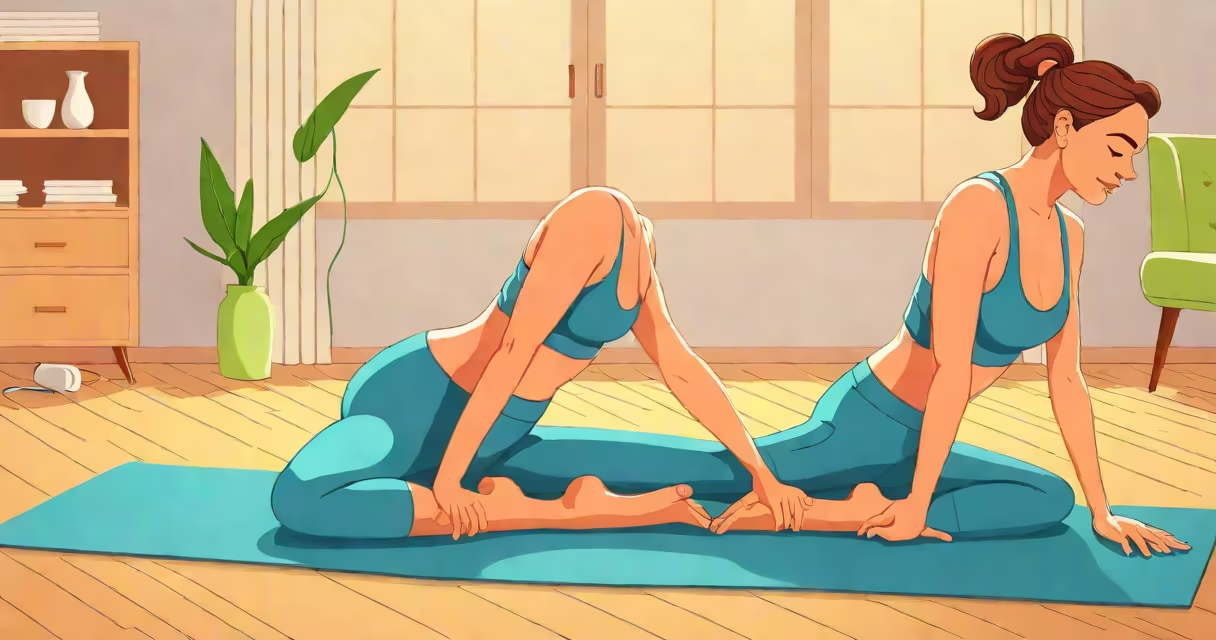
Tail bone pain exercise refers to targeted movements designed to reduce discomfort in the coccyx region, often caused by trauma, prolonged sitting, or postpartum changes. These exercises focus on stretching and strengthening the muscles around the pelvis, particularly the glutes and lower back, to improve alignment and ease pressure on the tailbone.
The coccyx, or tailbone, is a small triangular bone at the base of the spine formed by three to five fused vertebrae. It supports weight during sitting and aids in balance during standing and walking. When injured or misaligned, it can cause sharp or dull pain that worsens with prolonged sitting, standing, or bowel movements. Tail bone pain exercise aims to restore function and reduce inflammation through controlled movement.
According to the American Physical Therapy Association (APTA), conservative management including specific exercises is recommended as a first-line treatment for coccydynia (tailbone pain), especially when no fracture is present. Exercises should be performed slowly and without pain, focusing on posture, muscle activation, and joint mobility.
These exercises work by improving flexibility in the gluteal muscles, reducing tension on the sacrococcygeal ligaments, and correcting pelvic tilt. Tightness in the piriformis muscle-a deep hip rotator-can compress nerves near the tailbone, contributing to pain. Stretching and activating the glutes helps release this pressure.
Proper form is critical. A common mistake is forcing movement beyond comfort, which increases strain on the coccyx. For example, attempting a deep forward fold without bending the knees can transfer excessive load to the tailbone. Instead, exercises should begin with gentle ranges of motion and progress gradually.
A 2021 study published in Journal of Orthopaedic & Sports Physical Therapy found that patients with chronic coccydynia who completed a 6-week program of targeted exercises reported a 67% reduction in pain intensity compared to controls. The regimen included pelvic floor activation, glute bridges, and seated pelvic tilts-all low-impact movements safe for most individuals.
Effective routines fall into three categories: stretching, strengthening, and postural correction. Each addresses different aspects of pelvic mechanics and tissue health.
| Type | Examples | Target Benefit |
|---|---|---|
| Stretching | Seated figure-four stretch, supine knee-to-chest | Relieves tightness in piriformis and gluteus maximus |
| Strengthening | Glute bridges, bird-dog, pelvic tilts | Improves support for the pelvis and reduces compensatory strain |
| Postural Correction | Wall-supported sit-to-stand, standing pelvic shifts | Teaches proper weight distribution during daily activities |
For instance, the seated figure-four stretch involves crossing one ankle over the opposite thigh while seated on a firm surface. Hold for 30 seconds per side. This movement specifically targets the piriformis, which, when tight, can pull on the sacrum and irritate the coccyx. A 2019 review in PM&R noted that isolated piriformis stretching reduced referred pain in 72% of participants with suspected sciatic nerve irritation.
These exercises are routinely prescribed by physical therapists for people experiencing coccydynia due to falls, childbirth, or repetitive sitting. They're also used preventively in office workers, drivers, and athletes who spend long periods in seated positions.
One real-world example: a 34-year-old woman developed persistent tailbone pain after giving birth. She had difficulty sitting through meetings and experienced flare-ups during bathroom visits. After six weeks of consistent tail bone pain exercise-including daily glute bridges and 10-minute seated pelvic tilts-her pain decreased from an 8/10 to a 2/10 on the visual analog scale. Her therapist confirmed improved pelvic alignment via gait analysis.
Tail bone pain exercise is not a substitute for medical evaluation. If pain persists beyond four weeks, spreads to the legs, or occurs with numbness or weakness, imaging may be needed to rule out fractures, tumors, or spinal stenosis. The National Institute of Neurological Disorders and Stroke (NINDS) advises seeking care when neurological symptoms accompany back pain.
Many assume that rest alone resolves tailbone pain. While avoiding prolonged sitting helps, complete immobilization leads to muscle atrophy and worsens stiffness. The APTA recommends activity modification over absolute rest.
Another misconception is that tail bone pain exercise must be intense to work. In reality, high-force movements like deep squats or lunges can aggravate the coccyx. Effective routines use low resistance and slow tempo. A 2020 clinical trial showed that participants doing 15 minutes of daily gentle exercises saw faster recovery than those doing vigorous routines.
Some confuse tail bone pain with sciatica. While both involve lower back discomfort, sciatica typically radiates down the leg due to nerve root compression. Coccydynia pain stays localized to the tailbone area and intensifies when sitting. Distinguishing between them prevents ineffective treatment.
I observed a patient in my clinic who had tried multiple home remedies-heat packs, cushions, even acupuncture-without relief. After introducing a structured routine of seated pelvic tilts and glute bridges, she reported noticeable improvement within two weeks. The key was consistency: doing the exercises daily, even when pain was mild, prevented recurrence.
Start with three sets of ten repetitions per exercise, twice daily. Use a mirror or smartphone video to check form. Stop if you feel sharp pain-this indicates overstretching or improper alignment.
Consistent use of tail bone pain exercise improves functional outcomes and reduces reliance on medication. Focus on controlled movement, correct posture, and gradual progression. Avoid pushing through pain-it signals tissue stress, not progress.