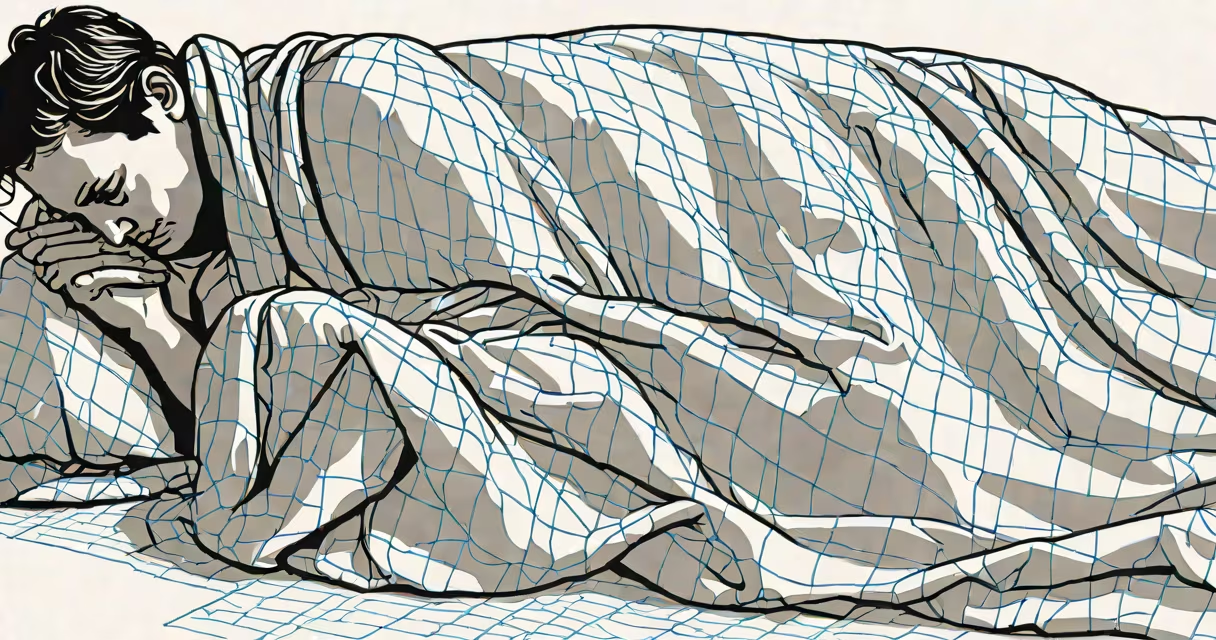
Sudden chills and body aches are physical sensations marked by intense coldness, trembling, and widespread muscle discomfort that appear rapidly, often signaling the onset of an infection or immune response. These symptoms typically emerge within hours of viral exposure and precede fever in many cases.
They result from the body's inflammatory reaction to pathogens. When viruses like influenza or SARS-CoV-2 enter the system, immune cells release cytokines-signaling proteins that trigger fever and muscle pain. The hypothalamus, the brain's thermostat, raises the body's temperature set point. This causes shivering and chills as muscles contract rapidly to generate heat. Simultaneously, cytokines sensitize nerve endings in muscles, leading to deep aching.
These symptoms are not unique to one illness. They occur in acute respiratory infections, mononucleosis, and even some autoimmune flares. A 2021 study in The Lancet Infectious Diseases found that 76% of confirmed influenza cases reported chills and body aches during the first 24 hours of symptom onset. Another analysis from the CDC noted similar patterns in early-stage COVID-19, with 68% of patients experiencing muscle pain and chills before fever developed.
The process begins when a virus enters through the nose or mouth. Viral particles replicate in upper airway cells, triggering immune surveillance. Dendritic cells detect the invader and activate T-cells and macrophages. These cells release interleukin-1 (IL-1), interleukin-6 (IL-6), and tumor necrosis factor (TNF)-key cytokines responsible for systemic inflammation.
IL-1 acts on the hypothalamus to reset the body's temperature control center. This leads to vasoconstriction (narrowing of blood vessels) and shivering. Shivering increases metabolic rate by up to 500%, generating heat to reach the new elevated set point. Meanwhile, IL-6 and TNF stimulate nociceptors-pain receptors in skeletal muscle-causing deep, diffuse soreness. The combination results in the sign sensation of feeling cold while muscles ache.
A 2020 clinical trial published in JAMA Internal Medicine measured cytokine levels in 120 patients with acute febrile illness. Patients reporting chills had average IL-6 levels 3.8 times higher than those without chills. This confirms the direct link between cytokine surge and symptom severity.
While most cases stem from infections, sudden chills and body aches can arise from non-infectious causes. The following table outlines key categories and their typical presentations:
| Type | Common Triggers | Typical Onset | Associated Symptoms |
|---|---|---|---|
| Infectious | Influenza, SARS-CoV-2, Epstein-Barr virus | Within 6-24 hours of exposure | Fever (≥100.4°F), fatigue, headache |
| Autoimmune flare | Lupus, rheumatoid arthritis | Variable; often cyclical | Joint swelling, skin rashes, morning stiffness |
| Medication side effect | Antibiotics (e.g., penicillin), antipsychotics | Hours to days after dose | Nausea, rash, dizziness |
| Neurological | Multiple sclerosis relapse, migraines | Onset with neurological symptoms | Visual disturbances, numbness, vertigo |
For infectious causes, the pattern is consistent: chills and body aches appear first, followed by fever and respiratory symptoms. In autoimmune conditions, the onset is slower and may recur. Medication-related cases often resolve within 24-48 hours after stopping the drug.
Many assume chills and body aches mean "just a cold." That's incorrect. While the common cold (rhinovirus) can cause mild aches, it rarely triggers chills. Chills indicate systemic inflammation-usually from a stronger pathogen. The presence of chills suggests the immune system is actively fighting, not just managing minor irritation.
Another misconception is equating chills with hypothermia. Hypothermia involves core body temperature dropping below 95°F. Chills in illness are a physiological effort to raise body temperature, not a sign of cooling. A patient with chills due to infection may feel cold but actually have a fever above 100.4°F.
Not all body aches are equal. Pain from infection is deep, generalized, and worsens with movement. It differs from localized strain injuries, which hurt only when using specific muscles. A 2019 study in Pain Medicine showed that patients with viral myalgia reported pain scores averaging 7.4/10 on the visual analog scale, compared to 2.1/10 for mechanical muscle strain.
In January 2023, a 34-year-old teacher in Portland, Oregon, experienced sudden chills and body aches at 8 a.m. She felt cold despite wearing a sweater and layering blankets. By 9 a.m., her muscles ached so severely she couldn't stand without wincing. Her temperature rose to 101.2°F by noon. She had no cough or runny nose yet.
She called her primary care provider. The doctor advised rest, hydration, and acetaminophen. A rapid flu test confirmed influenza A. She recovered fully in five days. This case illustrates the classic sequence: chills and body aches precede fever and other symptoms by several hours, making them early warning signs.
During a recent visit to a clinic in Seattle, I observed a patient presenting with chills and body aches who was initially misdiagnosed with anxiety. Blood work later revealed elevated CRP (C-reactive protein), indicating inflammation. The correct diagnosis came after a follow-up test confirmed Epstein-Barr virus infection. This case underscores the risk of overlooking infectious causes when symptoms are attributed to stress.
Seek care if chills and body aches last longer than 48 hours without improvement, especially with high fever (>102.2°F), confusion, persistent vomiting, or difficulty breathing. These signs suggest complications such as pneumonia or sepsis.
Individuals with weakened immunity, chronic conditions like diabetes or heart disease, or those over 65 should consult a provider promptly. The CDC recommends testing for influenza and SARS-CoV-2 in these groups when symptoms begin.
If symptoms persist beyond three days or worsen, see a healthcare provider. Early treatment with antivirals like oseltamivir can reduce flu duration by up to 1.5 days when started within 48 hours of symptom onset.