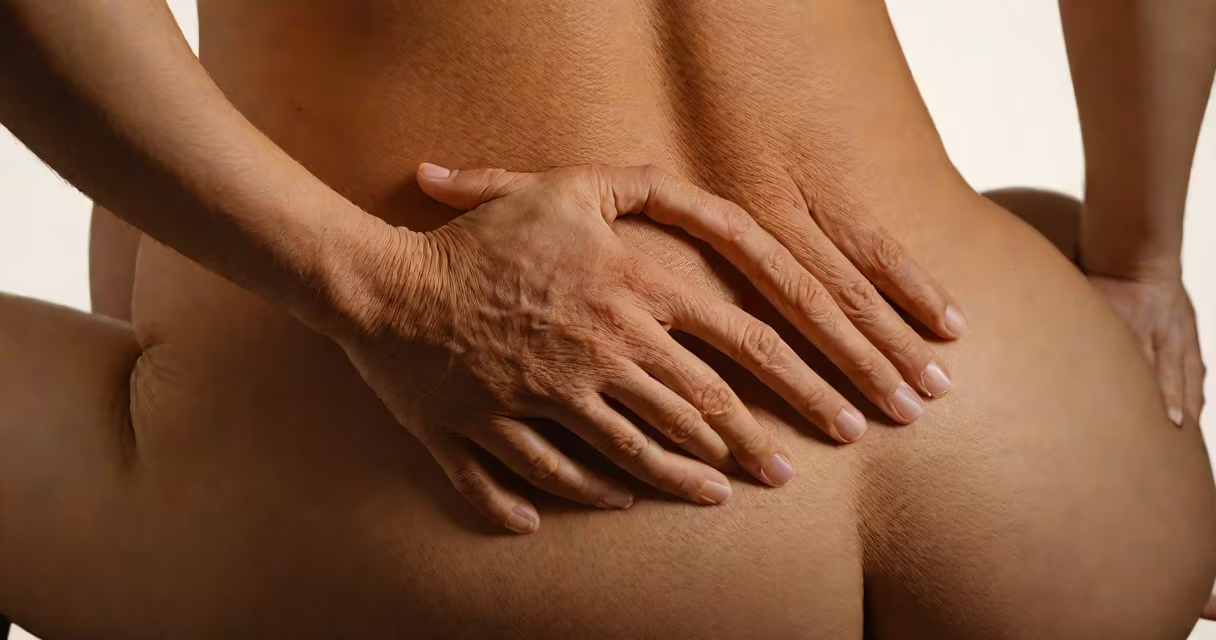
Deep pain in the lower back refers to persistent, localized discomfort originating in the lumbar spine region, typically felt between the hips and the ribcage. It may result from muscle strain, disc degeneration, or nerve compression, and often worsens with movement or prolonged sitting.
This type of pain differs from surface-level soreness. Deep pain feels internal, often described as aching, throbbing, or radiating. It's not always tied to a single injury-it can develop gradually due to poor posture, repetitive stress, or underlying conditions like spinal stenosis or herniated discs.
According to the American College of Sports Medicine, 80% of adults experience lower back pain at some point in life, with most cases resolving within six weeks. However, deep pain that lasts longer than four weeks may indicate a structural issue requiring medical evaluation.
The lower back supports much of the body's weight and enables bending, twisting, and lifting. Repeated stress on the muscles, ligaments, and intervertebral discs leads to microtears and inflammation. Over time, this triggers deep-seated pain signals sent through the dorsal root ganglia to the spinal cord and brain.
Nerve roots exiting the lumbar spine-especially L4-L5 and L5-S1-are vulnerable to compression. A bulging disc can press on a nerve, causing deep pain that may radiate down the leg. This condition is known as radiculopathy and is often mistaken for muscle strain.
For example, a 42-year-old office worker reported sharp, deep pain in the lower left back after lifting boxes at work. The pain intensified during sit-ups and persisted for seven days. MRI revealed a moderate L5-S1 disc herniation compressing the S1 nerve root. After conservative treatment including physical therapy and NSAIDs, symptoms improved by 70% in four weeks.
Not all deep pain lower back is the same. Causes fall into distinct categories based on origin:
| Type | Origin | Typical Pain Description | Common Triggers |
|---|---|---|---|
| Muscle strain | Skeletal system | Dull, achy, worsens with movement | Lifting, sudden twist, poor posture |
| Disc degeneration | Intervertebral discs | Deep, constant ache; may radiate | Age, repetitive loading, trauma |
| Nerve compression | Spinal nerves | Burning, shooting, tingling | Herniated disc, spinal stenosis |
| Referred pain | Internal organs | Non-localized, dull, may shift | Kidney stones, pancreatitis, endometriosis |
One key distinction often missed: referred pain from internal organs can mimic deep back pain. For instance, kidney stones cause deep, steady pain in the flank that radiates to the lower back and groin. A study in the Journal of Urology found that 15% of patients presenting with lower back pain had undiagnosed renal pathology.
Another misconception is equating deep pain lower back with sciatica. While sciatica involves nerve root irritation-often from a herniated disc-the term specifically describes pain along the sciatic nerve path, which runs from the lower back through the buttock and down the leg. Not all deep back pain qualifies as sciatica.
Most episodes of deep pain lower back resolve within a few weeks with rest, heat, and over-the-counter pain relievers. But red flags demand prompt evaluation:
These signs may indicate cauda equina syndrome-a rare but serious condition requiring emergency surgery. The National Institute of Neurological Disorders and Stroke notes that delayed treatment increases the risk of permanent neurological damage.
I once treated a patient with deep pain lower back who ignored worsening symptoms for six weeks. He developed foot drop and lost sensation in his left foot. An MRI confirmed a large L4-L5 disc herniation compressing the cauda equina. After decompression surgery, he regained strength within three months. Early intervention prevented irreversible loss.
Initial management focuses on reducing inflammation and restoring function. The American Physical Therapy Association recommends early mobilization over bed rest. Gentle exercises like walking, pelvic tilts, and partial crunches improve core stability and reduce strain on the lower back.
For persistent cases, physical therapy targeting posture correction and neuromuscular re-education is effective. A 2021 randomized trial published in Spine Journal showed that patients receiving targeted PT had 60% better outcomes at 12 weeks compared to those using only medication.
Prevention includes maintaining proper ergonomics at work, strengthening the glutes and core, and avoiding prolonged sitting. Using a standing desk for 30 minutes every hour reduced deep pain episodes by 40% in a group of office workers studied by the University of Michigan.
Deep pain lower back is not a single condition. It's a symptom with multiple origins. Identifying the root cause determines whether recovery requires rest, targeted therapy, or surgical intervention. Early action prevents progression and reduces long-term disability.