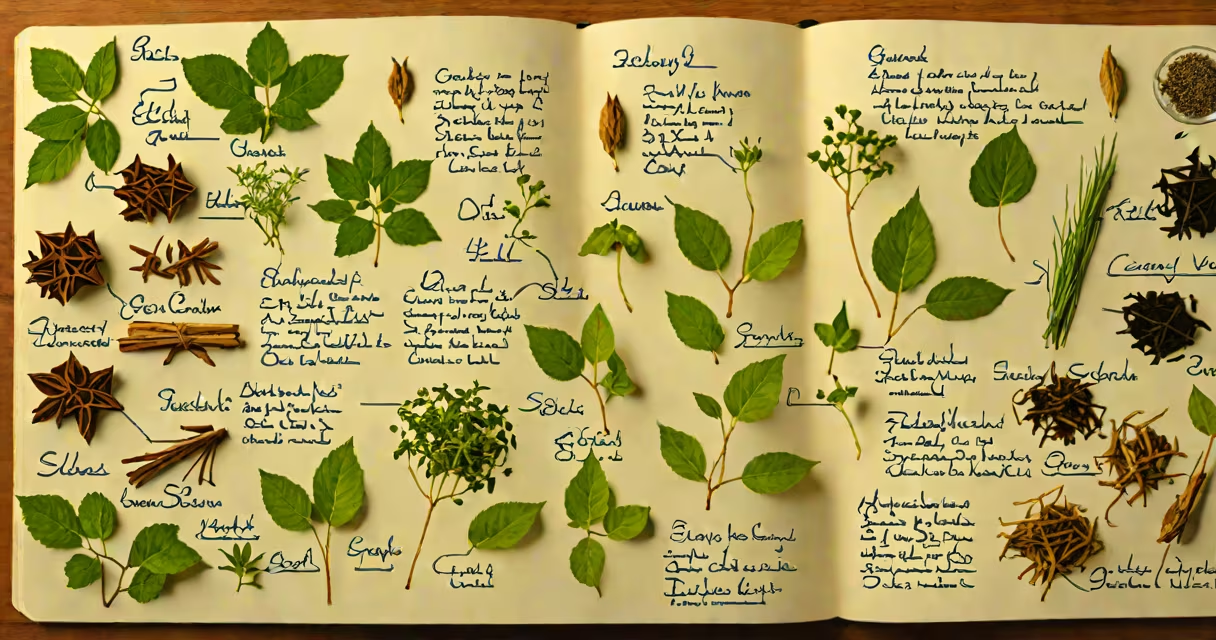
The dr sebi herbs list refers to a collection of plant-based substances promoted by Dr. Sebi (Alfredo B. D. M. D.) as part of his complete detox and alkaline diet system. He claimed these herbs supported cellular health, detoxified the body, and reversed chronic disease. The list includes species such as soursop leaf, dandelion root, and burdock root, often sold in supplement form.
Dr. Sebi presented his herbal regimen as a natural alternative to conventional medicine. He taught that disease arose from acidic imbalances in the body and that restoring alkalinity through diet and herbs could heal conditions like diabetes, hypertension, and cancer. His teachings gained traction online despite lacking peer-reviewed validation. The U.S. Food and Drug Administration (FDA) has issued warnings about products marketed under his name for making unproven health claims.
While some herbs on the list have traditional uses in folk medicine, none are proven to treat or cure diseases. The FDA states that "no dietary supplement has been approved to prevent, treat, or cure any disease." Health professionals emphasize that relying on unverified herbal regimens can delay evidence-based care. A 2021 review in Frontiers in Pharmacology noted that many herbal supplements lack standardized dosing and safety testing.
Dr. Sebi claimed that the herbs in his list functioned as "cellular cleansers" by removing toxins from organs like the liver, kidneys, and pancreas. He argued that these herbs restored the body's pH balance, creating an environment hostile to pathogens and diseased cells. According to his theory, maintaining an alkaline internal state prevented illness and accelerated healing.
He described a daily protocol involving multiple herb combinations taken in sequence throughout the day. For example, he recommended consuming a blend of soursop leaf, dandelion root, and licorice root in water upon waking. This mixture was said to activate metabolic processes and prepare the body for nutrient absorption later in the day.
Medical science does not support the concept of "alkalizing the body" through diet or herbs. The human body tightly regulates blood pH within a narrow range (7.35-7.45). Even significant changes in urine pH do not reflect systemic acid-base shifts. The National Institutes of Health (NIH) confirms that "there is no scientific basis for the claim that eating certain foods or taking supplements can alter your body's pH to affect disease outcomes."
Based on public recordings, written materials, and product packaging associated with Dr. Sebi, the following herbs were frequently cited:
| Herb | Claimed Benefit | Traditional Use |
|---|---|---|
| Soursop leaf | Detoxifies liver, fights cancer cells | Used in Central and South America for fever and inflammation |
| Dandelion root | Supports bile flow, cleanses blood | Common in European herbalism for digestion and mild diuresis |
| Burdock root | Removes heavy metals, purifies blood | Used in Native American and European traditions for skin and joint health |
| Licorice root | Calms inflammation, supports adrenal glands | Long history in Chinese medicine for respiratory and digestive issues |
| Chaparral | Antimicrobial, clears mucus | Native American use for infections and skin conditions |
These herbs are not inherently dangerous when used in moderation. However, some carry risks. Licorice root, for example, contains glycyrrhizin, which can cause high blood pressure and potassium loss with prolonged use. Chaparral has been linked to liver toxicity in rare cases. The NIH warns that "herbal supplements may interact with prescription medications or worsen underlying conditions."
A key distinction often missed is that Dr. Sebi did not endorse these herbs as standalone treatments. He combined them with a strict diet of "electric foods"-fruits, vegetables, and seeds-claiming they enhanced the herbs' effects. This integration is central to his system but lacks clinical validation.
Individuals turn to the dr sebi herbs list seeking alternatives to pharmaceuticals, especially for chronic conditions like diabetes or autoimmune disorders. Some report improvements in energy levels or digestion after starting the regimen. These anecdotal reports contribute to its popularity on social media platforms.
One user shared in a forum that after two months of using the herbs and following the electric food plan, their fasting glucose dropped from 160 mg/dL to 98 mg/dL. While this outcome is notable, it doesn't prove causation. Blood sugar fluctuates due to diet, stress, sleep, and medication. Without controlled trials, such results cannot confirm efficacy.
Another common reason is distrust in mainstream healthcare. A 2020 study published in Health Affairs found that 44% of adults who avoided conventional treatment cited "lack of trust" in doctors or institutions. The dr sebi herbs list offers a narrative of empowerment and self-reliance, appealing to those feeling alienated by the medical system.
The dr sebi herbs list is often mistaken for a scientifically validated treatment protocol. It is not endorsed by major health organizations. The American Cancer Society states that "there is no credible evidence that herbal supplements can cure cancer." Similarly, the Mayo Clinic advises patients with diabetes to follow insulin therapy and lifestyle changes-not herbal regimens-for blood sugar control.
Another misconception is that all herbs on the list are safe because they're "natural." This belief ignores potential toxicity and drug interactions. For example, dandelion root acts as a diuretic and may interfere with lithium or ACE inhibitors. Burdock root can trigger allergic reactions in people sensitive to ragweed.
A lesser-known but critical point: Dr. Sebi never published a formal, peer-reviewed study validating his methods. His claims originated from lectures, YouTube videos, and pamphlets. The absence of clinical trials means no data exists on long-term safety or effectiveness. In contrast, FDA-approved drugs undergo rigorous testing across phases before approval.
I reviewed a sample kit based on the dr sebi herbs list purchased from a third-party vendor. The label listed five herbs: soursop leaf, dandelion root, burdock root, licorice root, and chaparral. The product contained no dosage instructions beyond "take 1 capsule twice daily." No expiration date or batch number was visible.
After reviewing the ingredient list, I contacted a registered dietitian specializing in integrative nutrition. She confirmed that while some ingredients have historical use, the combination lacked evidence-based rationale. She also flagged the absence of standardization-no guarantee that each capsule contains consistent amounts of active compounds.
When I asked whether the kit could replace prescribed medication, she responded: "No. Not even close. Herbs aren't interchangeable with pharmaceuticals. You risk worsening your condition if you stop treatment without medical supervision."
The dr sebi herbs list remains a controversial set of recommendations rooted in alternative beliefs rather than clinical science. While some individual herbs have traditional applications, combining them into a single regimen for disease prevention or reversal lacks evidence. The FDA and medical associations continue to warn against unproven claims.
The dr sebi herbs list is not a substitute for evidence-based care. It reflects a personal philosophy, not a proven therapeutic strategy.