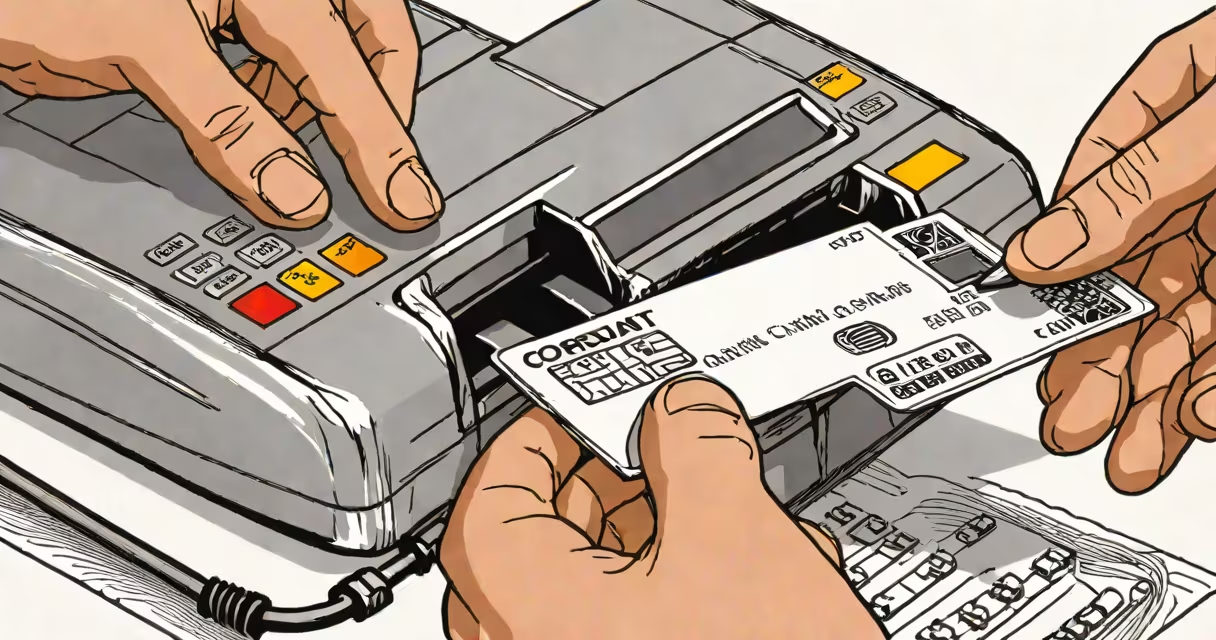
People obtain your credit card number through physical skimming devices, fraudulent websites, data breaches, and social engineering tactics like phishing. These methods exploit weak security practices, outdated systems, or human error to capture card details without your knowledge.
Credit card numbers are valuable because they enable unauthorized purchases, account takeovers, and identity theft. The most common attack vectors involve intercepting card data during transactions or tricking users into revealing their information online.
According to the Federal Trade Commission (FTC), consumers reported losing $1.6 billion to fraud in 2023, with credit card fraud accounting for nearly half of all incidents. The Payment Card Industry Security Standards Council (PCI SSC) confirms that 75% of data breaches involving card data stem from poor encryption and unpatched software in merchant systems.
Skimming devices are small electronic tools placed over legitimate card readers at ATMs, gas pumps, or point-of-sale terminals. They copy the magnetic stripe data when a card is swiped, storing it for later retrieval.
A 2022 investigation by the Better Business Bureau found that 43% of compromised gas pumps in the U.S. had tampered card readers. In one case, a network of fake card readers was installed at 12 locations across three states, capturing over 12,000 card numbers before detection.
These devices often look identical to the original hardware. They may have a tiny camera or microphone to record PINs or voices. Some even mimic the sound of a successful swipe to deceive users.
Phishing attacks use fake emails, texts, or websites that mimic trusted brands like banks, retailers, or payment platforms. Users enter their card details on these sites, believing they're authentic.
In 2023, the Anti-Phishing Working Group (APWG) tracked over 1.2 million new phishing URLs targeting financial services. One campaign impersonated a major credit card issuer, sending 3.4 million messages with a link to a clone site that looked identical to the real login page.
When users entered their card number, CVV, and expiration date, the data was sent directly to attackers. The fake site even displayed a "secure connection" badge using stolen SSL certificates, making it appear trustworthy.
When companies store card data improperly, hackers can breach their databases and steal thousands of records at once. Even encrypted data can be compromised if encryption keys are poorly managed.
The 2017 Equifax breach exposed 147 million consumers' personal data, including credit card numbers, Social Security numbers, and birth dates. Hackers exploited a known vulnerability in Apache Struts software that had not been patched for months.
Merchants that process payments through third-party gateways are also at risk. A 2021 report by Verizon's Data Breach Investigations Report (DBIR) showed that 61% of payment-related breaches involved third-party vendors with weak access controls.
Many people assume that chip cards (EMV) eliminate the risk of theft. While EMV reduces in-person cloning, it doesn't stop online or card-not-present fraud. Attackers still use stolen card numbers to make purchases where no physical card is required.
Another myth is that only large businesses are targeted. Small retailers and independent service providers are frequent targets because they often lack advanced security measures. A 2022 study by the National Cybersecurity Alliance found that 68% of small merchants didn't conduct regular security audits.
Even sharing card details with friends or family via messaging apps introduces risk. A single screenshot can be forwarded or intercepted. I once saw a customer accidentally send a full card number in a group chat while asking for help with a refund. The message was saved in cloud backups and later accessed by a third party.
| Attack Type | How It Works | Real-World Example |
|---|---|---|
| Physical Skimming | Device attached to card reader captures data during swipe | Gas pump skimmers in California captured 15,000 card numbers in six weeks |
| Phishing | Fake website mimics bank or retailer login page | 2023 campaign sent 3.4M fake Apple Pay emails with malicious links |
| Data Breach | Hackers infiltrate company database storing card info | Equifax breach exposed 147 million records, including card numbers |
| Card-Not-Present Fraud | Stolen card details used for online purchases | Online marketplace fraud increased 41% between 2021 and 2023 |
Use virtual card numbers issued by your bank or services like Privacy.com. These generate unique numbers for each transaction, limiting exposure if stolen.
Enable two-factor authentication (2FA) on all accounts linked to your card. Even if someone gets your number, they can't complete transactions without the second verification step.
Monitor your statements daily. Most banks offer real-time alerts for suspicious activity. I noticed a $230 charge from a foreign retailer within minutes of it occurring-my bank froze the account before further damage.
Never enter card details on public Wi-Fi. Use a mobile hotspot or VPN when shopping online. Public networks are easily monitored by attackers.
Check your credit reports annually at AnnualCreditReport.com. Look for unfamiliar accounts or inquiries. If you see something suspicious, file a dispute immediately.
Card issuers are responsible for detecting and blocking fraudulent transactions. Most cover losses under $50 if reported promptly. But prevention is better than recovery.
Understanding how people get your credit card number isn't about fear-it's about awareness. Knowing the real methods used by fraudsters allows you to act before harm occurs.