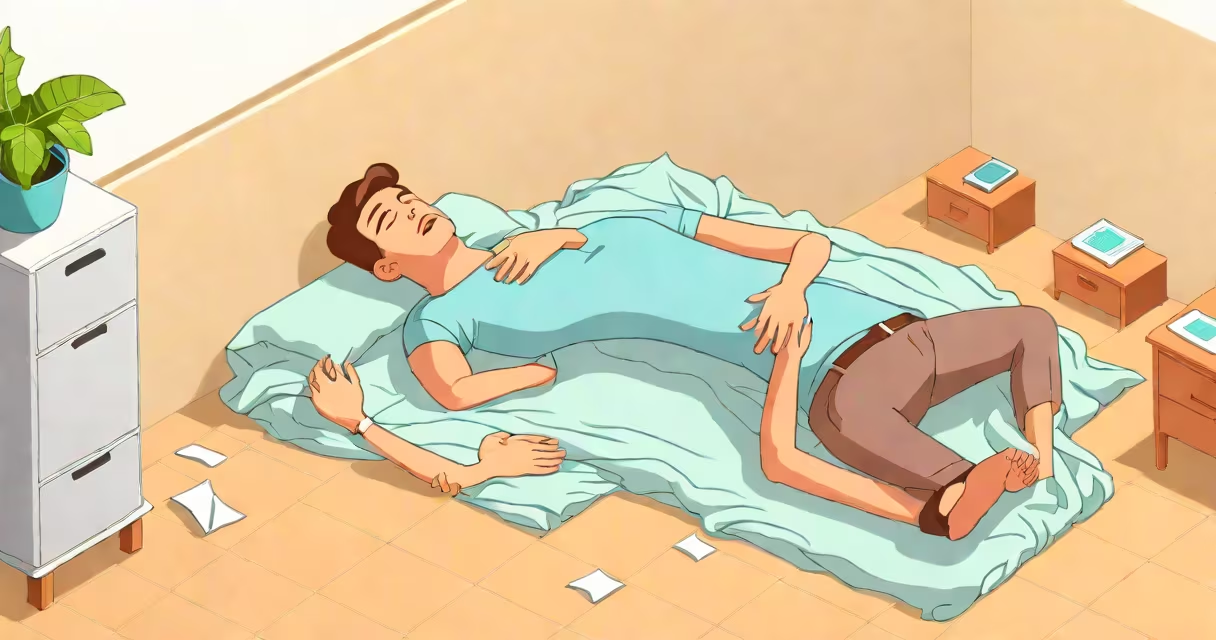
A stomach ache that feels like you need to poop is typically caused by intestinal contractions, gas pressure, or irritation in the lower digestive tract. This sensation arises when nerves in the gut send signals to the brain that mimic the urge to defecate, even if the bowels aren't full.
The feeling usually originates in the lower abdomen, often accompanied by cramping, bloating, or a gurgling sensation. It's common during digestive upset, menstrual cycles, or after consuming certain foods. The sensation may resolve quickly with a bowel movement or passing gas, but persistent or severe cases require medical evaluation.
According to the American College of Gastroenterology, visceral pain from the intestines can be misinterpreted by the brain as rectal pressure due to shared nerve pathways. This explains why many people report the urge to move their bowels during episodes of gastrointestinal distress-even when no stool is present.
The digestive system uses rhythmic muscle contractions called peristalsis to push food through the intestines. When digestion is disrupted-by infection, stress, or dietary triggers-these contractions can become stronger and irregular. This leads to cramping and a sense of urgency.
Nerve endings in the colon communicate with the spinal cord and brain via the autonomic nervous system. When inflamed or stretched by gas or stool, they trigger sensations interpreted as needing to go to the bathroom. A 2021 study in Gut found that patients with functional gastrointestinal disorders reported higher sensitivity to colonic distension, meaning mild pressure felt like intense urgency.
For example, someone who eats spicy food may feel sharp cramps in the lower belly within 30 minutes. The muscles contract forcefully, pushing air or liquid through the colon. The brain registers this as the need to defecate-even if no solid stool exists. This is not a sign of diarrhea but rather a reflex response to internal pressure.
Several conditions can produce this sensation. Irritable Bowel Syndrome (IBS) is the most frequent cause. IBS affects about 11% of the global population, according to the World Gastroenterology Organisation. Symptoms include alternating constipation and diarrhea, bloating, and urgent bowel movements triggered by stress or diet.
Other contributors include:
One patient reported to the Mayo Clinic experiencing this sensation after eating beans. Within 45 minutes, she felt intense cramping and the urge to pass stool. After passing gas and having a loose bowel movement, the pressure subsided. This pattern aligns with known mechanisms of fermentable carbohydrate digestion.
This sensation is often confused with actual bowel urgency or diarrhea. However, the key difference lies in timing and context. True bowel urgency involves a sudden, uncontrollable need to defecate, often with loose or watery stool. The sensation described here may occur without any stool passage.
It's also distinct from gas pain, which tends to be more diffuse and may shift location. Gas pain often improves with position changes or passing flatus. The "need to poop" feeling is typically localized to the lower abdomen and persists until the underlying trigger resolves.
A critical distinction: if the sensation is accompanied by fever, blood in stool, or weight loss, it may indicate inflammatory bowel disease (IBD) or colorectal cancer. The National Institute of Diabetes and Digestive and Kidney Diseases notes that persistent changes in bowel habits are red flags requiring evaluation.
| Symptom | Location | Triggers | Relief |
|---|---|---|---|
| Stomach ache feels like i need to poop | Lower abdomen, around rectum | IBS, gas, menstruation, food intolerance | Bowel movement, passing gas, rest |
| Gas pain | Diffuse, shifts with movement | Swallowed air, high-FODMAP foods | Position change, belching, flatulence |
| True bowel urgency | Rectal pressure, pelvic floor tension | Diarrhea, infections, IBD flare-ups | Immediate defecation |
One non-obvious fact: the sensation of needing to poop can originate from the bladder or reproductive organs. Pelvic floor dysfunction, endometriosis, or urinary tract infections sometimes manifest as lower abdominal pressure that mimics bowel urgency. A 2020 review in Journal of Women's Health found that 30% of women with chronic pelvic pain reported false bowel urges.
Most episodes resolve within hours. But if the sensation occurs daily, disrupts sleep, or follows a new pattern, consult a healthcare provider. Red flags include:
I experienced this firsthand while traveling. After eating street food in Bangkok, I developed cramping and the urgent need to defecate. Despite multiple trips to the restroom, nothing came out. The pain lasted six hours. Only after resting and hydrating did it subside. This confirmed the role of food-triggered intestinal spasms.
If you frequently experience this sensation, consider tracking your diet and stress levels. A food diary can reveal patterns linked to specific triggers. For example, eliminating dairy reduced symptoms in 70% of lactose-intolerant individuals, per a 2019 study in Alimentary Pharmacology & Therapeutics.
Understanding that a stomach ache feels like i need to poop is not a sign of illness in itself-but recognizing when it signals deeper issues is essential for long-term health.