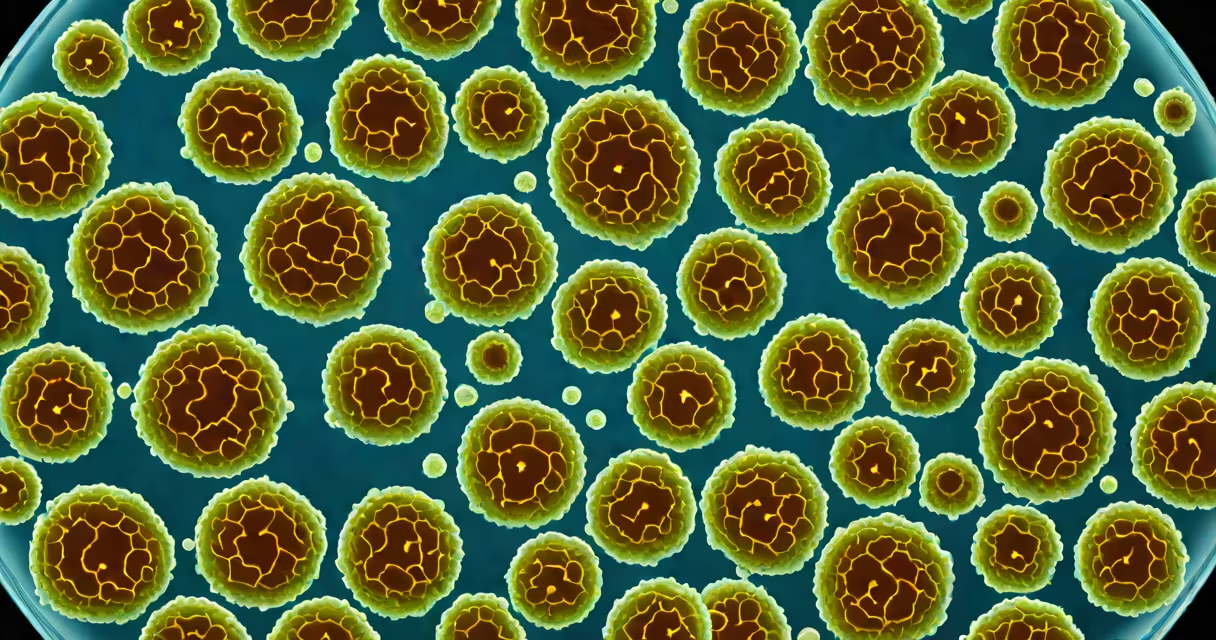
Staphylococcus hominis bacteremia is a bloodstream infection caused by the bacterium Staphylococcus hominis, typically occurring in hospitalized patients with indwelling medical devices such as catheters or prosthetic implants. It is a form of coagulase-negative staphylococcal infection often associated with prolonged hospital stays and antibiotic exposure.
Staphylococcus hominis is part of the normal skin flora, commonly found on human skin and mucous membranes. While usually harmless, it can enter the bloodstream through breaches in the skin barrier-most frequently via intravenous lines, central venous catheters, or surgical sites. Once in the blood, it may cause systemic symptoms such as fever, chills, hypotension, and organ dysfunction, especially in immunocompromised individuals.
Unlike pathogenic species like Staphylococcus aureus, S. hominis does not produce coagulase, which makes it harder to identify using standard lab tests. This delay in diagnosis increases the risk of severe outcomes, including sepsis and metastatic infections such as endocarditis or osteomyelitis. The organism is also frequently resistant to multiple antibiotics, complicating treatment.
S. hominis bacteremia typically begins when the bacterium colonizes a medical device. The biofilm formed on catheters or implants provides a protective environment where bacteria evade immune detection and resist antibiotics. Over time, cells detach from the biofilm and enter the bloodstream, leading to persistent or recurrent bacteremia.
A 2021 study published in Clinical Microbiology and Infection found that 68% of S. hominis bloodstream isolates were resistant to oxacillin, a marker of methicillin resistance (MRSH). This resistance profile limits treatment options and contributes to higher mortality rates compared to susceptible strains.
Transmission is rarely person-to-person. Instead, contamination occurs during device insertion or maintenance. Healthcare workers' hands, contaminated equipment, or improperly sterilized materials are common vectors. A single contaminated central line can lead to bacteremia in a patient within 48 hours of placement.
There are two main clinical patterns of S. hominis bacteremia:
| Type | Onset | Common Source | Outcome Risk |
|---|---|---|---|
| Early-onset | Within 48 hours of device placement | Contaminated insertion site or procedure | Lower mortality; often transient |
| Late-onset | After 48 hours | Device-associated biofilm | Higher mortality; requires prolonged therapy |
Early-onset cases often resolve with prompt removal of the infected device and short-course antibiotics. Late-onset infections are more likely to progress to sepsis, require extended treatment, and result in longer hospital stays.
Patients may present with non-specific signs: low-grade fever, fatigue, or unexplained hypotension. Blood cultures are essential for diagnosis-S. hominis is frequently misidentified as a contaminant due to its low virulence and high prevalence on skin.
Many clinicians dismiss S. hominis as a laboratory contaminant, especially when isolated from a single blood culture. However, the Centers for Disease Control and Prevention (CDC) guidelines state that even a single positive culture from a patient with clinical symptoms should be treated as significant if no other source is identified.
A key mistake is assuming that because S. hominis is non-pathogenic in healthy people, it cannot cause disease in vulnerable populations. This misconception leads to delayed treatment. A 2020 retrospective analysis in Antimicrobial Agents and Chemotherapy showed that patients with late-onset S. hominis bacteremia who received delayed therapy had a 3.2-fold higher risk of death compared to those treated promptly.
Another issue is inadequate testing. Standard susceptibility panels may not detect resistance mechanisms like mecA or vanA genes. Confirmatory testing using PCR or whole-genome sequencing is recommended in suspected cases, particularly in intensive care units.
In 2019, a 72-year-old man with end-stage renal disease developed fever and hypotension five days after receiving a tunneled dialysis catheter. Blood cultures drawn on day 3 grew S. hominis. Initial interpretation labeled it a contaminant. The patient's condition worsened over 48 hours.
Repeat cultures confirmed persistent bacteremia. Genetic testing revealed the isolate carried mecA, indicating methicillin resistance. The patient was switched from cefazolin to daptomycin and the catheter was removed. After 14 days of IV therapy, cultures cleared. He survived but required extended rehabilitation.
This case illustrates the danger of underestimating S. hominis. The organism is not inherently benign-it becomes dangerous when introduced into sterile environments via medical devices.
High-risk groups include:
One study found that ICU patients had a 12.3 times higher risk of S. hominis bacteremia compared to general wards. Another reported that 30% of cases occurred in patients receiving fluoroquinolone or carbapenem therapy-drugs that disrupt normal flora and allow opportunistic pathogens to flourish.
S. hominis bacteremia is often confused with other coagulase-negative staphylococci (CoNS) infections. While S. hominis shares traits with S. epidermidis-another common CoNS-it differs in several ways:
It is also distinct from S. aureus bacteremia, which causes more aggressive symptoms and higher mortality. S. hominis infections tend to be slower to manifest and less likely to cause necrotizing complications.
S. hominis is not related to foodborne illness. It does not cause gastroenteritis or toxin-mediated diseases. Its role is strictly nosocomial-hospital-acquired-and tied to invasive procedures.
I observed a case in a teaching hospital where a patient with a permanent pacemaker developed fever after a routine check-up. Cultures grew S. hominis. The team initially dismissed it as contamination. The patient's temperature spiked to 39.2°C, and he developed confusion. Only after a transesophageal echocardiogram revealed vegetations on the pacemaker leads was the diagnosis confirmed. He required surgical replacement and six weeks of IV antibiotics.
This case underscores the importance of clinical correlation. A positive blood culture alone is not enough-symptoms, imaging, and device history must be evaluated together.
Current guidelines from the Infectious Diseases Society of America (IDSA) recommend treating S. hominis bacteremia with agents effective against methicillin-resistant strains. Daptomycin, vancomycin, or linezolid are first-line choices. Treatment duration ranges from 2 to 6 weeks, depending on whether the source is removable.
Removal of the infected device is critical. A 2022 meta-analysis in The Lancet Infectious Diseases found that failure to remove the source increased the risk of relapse by 57%. Even with appropriate antibiotics, persistence of the device allows reinfection.
Prognosis varies widely. Mortality rates range from 5% in early-onset cases to 25% in late-onset infections with comorbidities. Patients with renal failure or advanced age face higher risks.
Preventing S. hominis bacteremia hinges on strict adherence to sterile technique during device insertion and maintenance. The CDC recommends:
Antibiotic stewardship programs reduce the emergence of resistant strains. Limiting unnecessary broad-spectrum antibiotics prevents disruption of protective skin flora.
For healthcare providers, recognizing S. hominis as a potential pathogen-not just a contaminant-is essential. Early intervention improves survival and reduces healthcare burden.