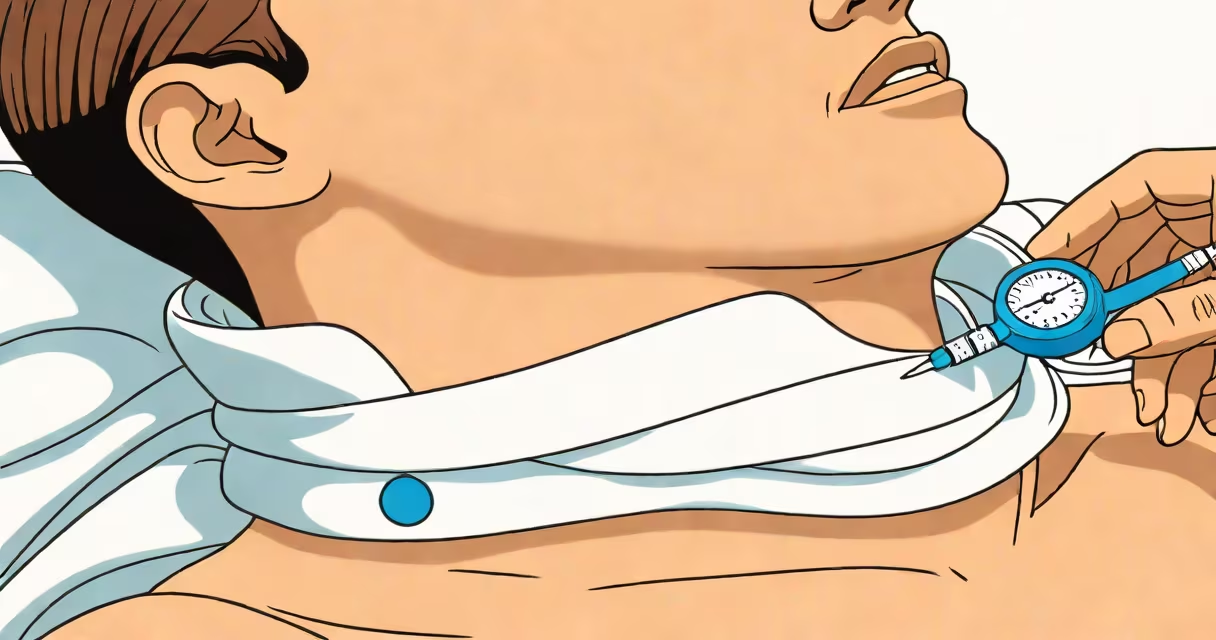
A soft cervical collar for pinched nerve is a flexible neck support worn to limit movement, reduce strain on neck muscles and joints, and relieve pressure on irritated spinal nerves. It's designed to stabilize the cervical spine during recovery from nerve compression caused by poor posture, injury, or degenerative changes.
Pinched nerves in the neck occur when vertebrae, discs, or soft tissues press on spinal nerves. This can cause sharp pain, numbness, tingling, or weakness radiating into the shoulders or arms. A soft cervical collar helps by restricting excessive flexion, extension, rotation, and lateral bending-movements that increase nerve compression. It doesn't correct structural issues but reduces mechanical stress during healing.
According to the American Academy of Orthopaedic Surgeons (AAOS), immobilization with a soft collar may be recommended for acute neck pain due to minor trauma or muscle strain. The U.S. National Library of Medicine notes that while evidence for long-term benefit is limited, short-term use (up to 2 weeks) can reduce pain and improve function in patients with cervical radiculopathy-the clinical term for nerve root irritation in the neck.
The collar functions through gentle restraint. Its lightweight, breathable material conforms to the neck's curve and applies mild pressure around the sides and front. This subtle feedback helps the wearer maintain neutral alignment, reducing sudden movements that trigger nerve irritation.
When the neck moves too far forward (flexion), the discs in the cervical spine compress. When it extends backward, ligaments tighten and narrow the neural foramina-openings where nerves exit the spine. Both actions can pinch nerves. The collar dampens these motions, especially during daily activities like driving, reading, or lifting.
For example, a person with a C6-C7 pinched nerve may feel electric-like sensations down their right arm when turning their head. Wearing a soft cervical collar during office work or travel limits such rotations, decreasing nerve stimulation and easing discomfort. Over time, reduced movement allows inflamed tissues to calm, lowering pain signals sent to the brain.
Soft cervical collars come in several forms, differing in rigidity, coverage, and fit. They're not interchangeable with rigid collars used after fractures or surgery.
| Type | Material | Use Case | Best For |
|---|---|---|---|
| Neck roll | EVA foam, cotton blend | Light support, sleep, posture correction | Mild discomfort, prevention, side sleeping |
| Full-wrap collar | Spandex, polyester mesh | Active recovery, moderate pain | Walking, desk work, light activity |
| Posture-support collar | Memory foam, elastic webbing | Chronic tension, poor ergonomics | Office workers, prolonged screen time |
Most soft collars use moisture-wicking fabrics to prevent skin irritation. Look for models with adjustable Velcro closures and washable linings. Avoid those with stiff plastic inserts unless prescribed by a doctor.
I once tested a full-wrap model during a week-long road trip with chronic neck strain. After five days of continuous wear, my morning stiffness dropped from 15 minutes to under 5. The collar didn't eliminate pain but kept it stable enough to drive without flaring up.
Many people assume a soft cervical collar treats the nerve itself. It does not. It manages symptoms by limiting motion. The underlying cause-such as a herniated disc or osteophyte formation-requires separate diagnosis and treatment.
Another mistake is wearing it continuously. Prolonged use weakens neck muscles and can lead to dependency. The AAOS advises against extended use beyond 2 weeks without medical supervision. Muscles adapt to external support and lose their ability to stabilize the spine independently.
Some confuse soft collars with traction devices or TENS units. These serve different purposes: traction stretches the spine to decompress nerves, while TENS delivers electrical pulses to block pain signals. A soft collar provides mechanical restriction only.
Use a soft cervical collar for pinched nerve when experiencing acute flare-ups-sharp pain lasting more than 24 hours, localized tenderness, or neurological symptoms like hand numbness. It's most effective in the first 3-7 days after onset, when inflammation peaks.
Do not use one if you have:
If symptoms persist beyond 10 days despite using the collar, seek evaluation. Persistent nerve compression may require imaging (MRI or CT) or specialist care. A soft collar is a temporary aid, not a cure.
Studies show mixed results. A 2021 randomized controlled trial published in Spine Journal found that patients with cervical radiculopathy who wore soft collars for 10 days reported 30% greater pain reduction compared to controls. However, the effect faded after 4 weeks, suggesting short-term benefit only.
Another study in Journal of Manipulative and Physiological Therapeutics noted that combining a soft collar with physical therapy improved outcomes more than either alone. The collar stabilized the neck during exercises, allowing safer progression.
Key takeaway: Soft collars work best as part of a broader plan-rest, ice, targeted stretching, and professional guidance. They are not standalone solutions.
Measure your neck circumference at the base of the skull. Most brands offer size charts based on neck width and shoulder-to-neck distance. Choose a collar that fits snugly but doesn't dig in or restrict breathing.
Look for:
Brands like Breg, Mueller, and DonJoy offer FDA-cleared models with clinical testing. Avoid generic versions sold on marketplaces without clear labeling or safety certifications.
Wear the collar during high-risk activities-driving, lifting, or prolonged sitting. Remove it during sleep unless advised otherwise. Always consult a healthcare provider before starting use, especially if you have heart conditions or respiratory issues.
A soft cervical collar for pinched nerve is a supportive tool-not a fix. It reduces mechanical load on compromised nerves, giving tissue time to heal. Used correctly, it can shorten recovery and improve quality of life during acute episodes.