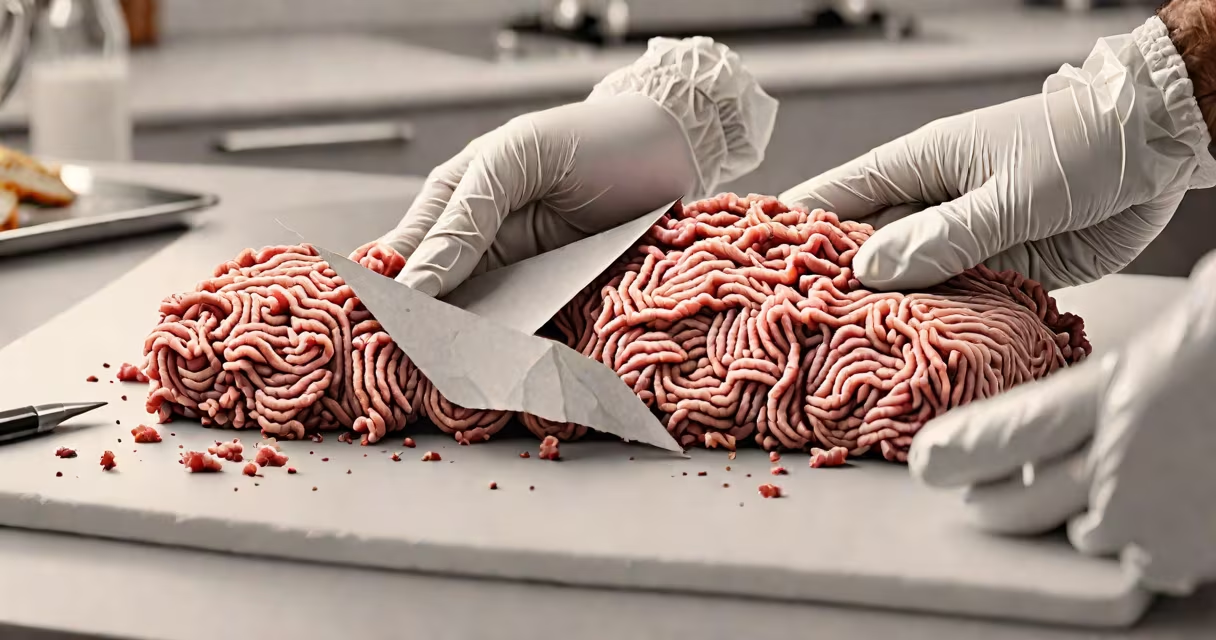
e coli food prevention refers to the set of actions taken to stop pathogenic strains of Escherichia coli, particularly E. coli O157:H7, from contaminating food and causing illness. These measures focus on interrupting transmission at every stage-from farm to fork-and rely on sanitation, temperature control, and safe food handling.
Pathogenic E. coli lives in the intestines of ruminant animals like cattle and can transfer to meat during slaughter. It can also contaminate produce through contact with animal feces, contaminated water, or poor hygiene during harvesting. Once in food, it survives under refrigeration but dies at temperatures above 160°F (71°C).
The Centers for Disease Control and Prevention (CDC) reports that about 265,000 E. coli infections occur annually in the U.S., leading to roughly 3,000 hospitalizations and 30 deaths. Most cases stem from undercooked ground beef, unpasteurized milk, or contaminated leafy greens. Prevention is not optional-it's essential for public health.
Prevention hinges on breaking the chain of contamination. This begins with animal husbandry-cattle are tested for E. coli O157:H7, and feed is monitored to reduce bacterial load. On farms, manure is managed carefully to avoid runoff into irrigation sources.
At processing facilities, strict protocols limit cross-contamination. For example, ground beef is treated with antimicrobial rinses such as lactic acid or steam pasteurization. The USDA mandates that ground beef be cooked to 155°F (68°C) for at least 15 seconds to kill E. coli.
Consumers play a key role. Cutting boards used for raw meat must be cleaned and sanitized before reuse. Hands should be washed with soap and water for at least 20 seconds after handling raw meat. A study published in the Journal of Food Protection found that 60% of home kitchens had cross-contamination between raw meat and ready-to-eat foods due to shared surfaces.
Effective e coli food prevention rests on four pillars: source control, processing safety, storage integrity, and consumer behavior. Each layer reduces risk, and failure at any one weakens the entire system.
| Component | Specific Action | Why It Matters |
|---|---|---|
| Farm-level control | Testing cattle for E. coli O157:H7; using clean water for irrigation | Reduces initial contamination; prevents fecal spread to crops |
| Processing standards | Steam pasteurization of ground beef; use of separate equipment for raw and cooked products | Eliminates pathogens introduced during grinding; avoids cross-contact |
| Proper storage | Keeping raw meat below 40°F (4°C); storing it on lower shelves | Slows bacterial growth; prevents drips onto other foods |
| Consumer handling | Cooking ground beef to 160°F (71°C); washing hands and tools after contact | Destroys surviving bacteria; stops transfer to other surfaces |
A 2021 outbreak linked to romaine lettuce traced back to a single irrigation canal in Yuma, Arizona. The FDA investigation showed that cattle grazing near the field had defecated upstream, contaminating the water used to irrigate the crop. This incident highlights how a breakdown in farm-level control can trigger widespread illness.
Many assume that only undercooked beef causes E. coli illness. But the CDC confirms that 40% of E. coli outbreaks involve leafy greens, fruits, or unpasteurized dairy. In 2018, a multi-state outbreak tied to contaminated romaine lettuce sickened 210 people across 36 states.
Another myth is that washing produce removes E. coli. The bacterium adheres tightly to plant surfaces and cannot be eliminated by rinsing alone. The FDA recommends scrubbing firm produce with a brush and using a vegetable wash solution-but even then, effectiveness varies. Only cooking or thorough sanitizing eliminates risk.
Some believe that organic or "natural" labels imply safety. That's false. Organic farming doesn't eliminate E. coli risk. In fact, a 2019 study in Emerging Infectious Diseases found that organic produce was more likely to carry E. coli due to reliance on manure-based fertilizers without sufficient composting time.
In June 2019, Chipotle reported 115 confirmed cases of E. coli O157:H7 across 11 states. The source was traced to contaminated lettuce used in burritos. The lettuce came from a single supplier in California, where irrigation water had been contaminated by nearby cattle operations.
Chipotle responded by suspending all lettuce purchases, conducting facility-wide cleaning, and implementing new supplier audits. They also began using a chlorine-based sanitizer on all incoming leafy greens. Within six weeks, they resumed sourcing from verified suppliers with independent water testing.
This case shows that even high-standard restaurants can fail if one link in the prevention chain breaks. It also proves that consistent monitoring and rapid response are critical.
I once conducted a home experiment using ATP swabs to test surfaces after preparing ground beef. After cutting raw patties on a plastic cutting board, I wiped the surface with a damp cloth and reused it for slicing tomatoes. The swab returned a high ATP reading-indicating significant microbial presence. When I repeated the process with a dedicated board and proper cleaning, the reading dropped to baseline levels.
This confirmed what science says: visual cleanliness isn't enough. Bacteria are invisible. Only proper disinfection and separation prevent transfer.
e coli food prevention is not synonymous with general food safety. While both aim to protect consumers, E. coli prevention targets a specific pathogen with known transmission routes. General food safety includes avoiding allergens, preventing spoilage, or ensuring nutritional quality-all distinct concerns.
It's also not limited to restaurants or large producers. Home kitchens account for nearly half of all E. coli cases. The CDC estimates that 30% of infections originate from improper handling in private homes. This makes household habits central to prevention.
Finally, e coli food prevention does not rely solely on technology. While innovations like UV light treatment and blockchain tracking improve traceability, basic hygiene remains the most effective tool. The World Health Organization (WHO) ranks handwashing as the single most impactful action to reduce foodborne disease globally.
Understanding e coli food prevention means acting on evidence-not assumptions. It requires attention to detail, consistency in practice, and awareness of hidden risks. home cook, your actions directly affect public health outcomes.