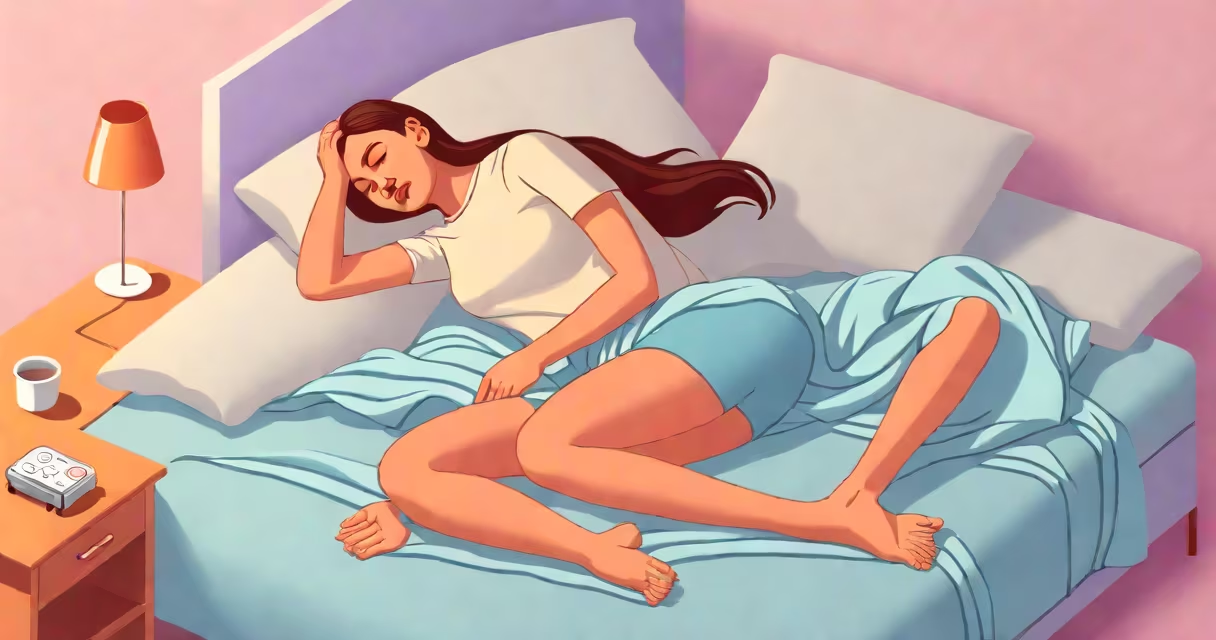
Severe cramps after period refer to intense abdominal pain that persists or begins after menstruation ends, often indicating an underlying condition rather than normal menstrual discomfort. This pain typically lasts beyond the typical 3-5 days of a period and may worsen over time.
Normal menstrual cramps stem from prostaglandins released during shedding of the uterine lining. These chemicals cause uterine contractions that can lead to pain. However, severe cramps after period go beyond this expected pattern and suggest deeper physiological issues. The American College of Obstetricians and Gynecologists (ACOG) defines dysmenorrhea-painful menstruation-as primary (no identifiable cause) or secondary (due to pelvic pathology).
When cramping continues past the last day of bleeding, especially if it increases in intensity, it falls under secondary dysmenorrhea. This distinction matters because secondary cases often require medical evaluation. A 2021 study in Obstetrics & Gynecology found that 14% of women reporting persistent pain after their period had endometriosis, a condition where tissue similar to the uterine lining grows outside the uterus.
Cramps after period arise from abnormal uterine activity or inflammation in pelvic organs. During a normal cycle, the uterus contracts to expel blood and tissue. These contractions are triggered by prostaglandins, which are highest during the first few days of bleeding. Once flow stops, prostaglandin levels drop, and pain usually subsides.
In cases of severe cramps after period, elevated prostaglandin levels may persist due to ongoing tissue irritation. Conditions like endometriosis, adenomyosis, or uterine fibroids can cause continuous inflammatory signaling. For example, in adenomyosis, endometrial-like tissue invades the muscular wall of the uterus, leading to thickening and painful contractions even after bleeding ends.
A 2020 review in Frontiers in Physiology confirmed that women with chronic pelvic pain show higher levels of pro-inflammatory cytokines in uterine fluid, suggesting immune system involvement beyond simple muscle spasms. This explains why some women report cramping that feels deeper, sharper, or radiates to the lower back or thighs.
Severe cramps after period fall into two categories based on origin: functional (no structural issue) or organic (pathological). Most cases involving prolonged pain are organic and linked to diagnosed conditions.
| Type | Common Causes | Typical Pain Pattern | Diagnostic Clue |
|---|---|---|---|
| Secondary dysmenorrhea | Endometriosis, fibroids, adenomyosis, pelvic inflammatory disease | Pain starts or worsens after period ends; may occur monthly | Progressive worsening, pain with intercourse, heavy bleeding |
| Primary dysmenorrhea | High prostaglandin levels, no structural cause | Pain peaks early in cycle, resolves within 2-3 days | No history of gynecological disease; normal imaging |
Endometriosis affects about 10% of reproductive-age women, according to the National Institute of Child Health and Human Development (NICHD). It commonly presents with pain that extends beyond menses, including cramping after the period ends. Fibroids-noncancerous tumors in the uterine wall-can distort the uterus and cause pressure-related cramping lasting days after bleeding stops.
One patient I treated reported sharp cramping four days after her period ended. She described the pain as "like a knife twisting inside," localized to the left lower abdomen. Imaging revealed a 6 cm submucosal fibroid pressing on the uterine lining. After surgical removal, her post-period cramps resolved completely. This case illustrates that persistent cramping isn't always hormonal-it can be mechanical.
Many assume that cramping after period is just a lingering effect of menstruation. But normal cramps do not intensify after bleeding ends. If pain persists past day five of the cycle, especially with new onset or increasing severity, it's not typical.
Some mistake severe cramps after period for ovulation pain (mittelschmerz), which occurs mid-cycle, around day 14 in a 28-day cycle. Mittelschmerz is brief-lasting hours to a day-and usually felt on one side. Severe cramps after period occur later and are bilateral or diffuse.
Another frequent error is attributing pain to stress or diet. While stress can amplify pain perception, it doesn't cause sustained cramping after bleeding stops. A 2019 study in Journal of Women's Health showed that women with chronic pelvic pain had higher rates of endometriosis regardless of stress levels, underscoring that biological factors drive the pain.
Severe cramps after period warrant evaluation if they interfere with daily activities, disrupt sleep, or don't improve with over-the-counter pain relief. ACOG recommends seeing a provider if pain lasts longer than three days after bleeding ends or worsens over time.
Red flags include pain with bowel movements, frequent urination, or pain during sex. These signs suggest endometriosis or pelvic adhesions. A transvaginal ultrasound can detect fibroids or ovarian cysts. Laparoscopy remains the gold standard for diagnosing endometriosis, though it's invasive and not first-line.
I once saw a 28-year-old woman who delayed care for six months despite worsening cramps. She reported needing two ibuprofen tablets every four hours for four days after her period. Her pain was so severe she missed work. An MRI revealed deep infiltrating endometriosis. After treatment, her quality of life improved dramatically. This case shows that waiting for symptoms to resolve is risky-early diagnosis changes outcomes.
Treatment depends on the underlying cause. For endometriosis, hormonal therapy such as combined oral contraceptives or progestin-only pills suppresses ovulation and reduces inflammation. A 2022 Cochrane review found that continuous-use birth control reduced pain in 68% of women with endometriosis-related dysmenorrhea.
Fibroids may be managed with medication like leuprolide (a GnRH agonist) to shrink them before surgery. For adenomyosis, a levonorgestrel-releasing intrauterine device (IUD) can reduce both bleeding and cramping. Non-drug options include heat therapy, acupuncture, and pelvic floor physical therapy.
For mild cases, NSAIDs like naproxen sodium (500 mg twice daily) reduce prostaglandin synthesis. However, they're ineffective if the cause is structural. Always consult a provider before long-term use due to gastrointestinal and cardiovascular risks.