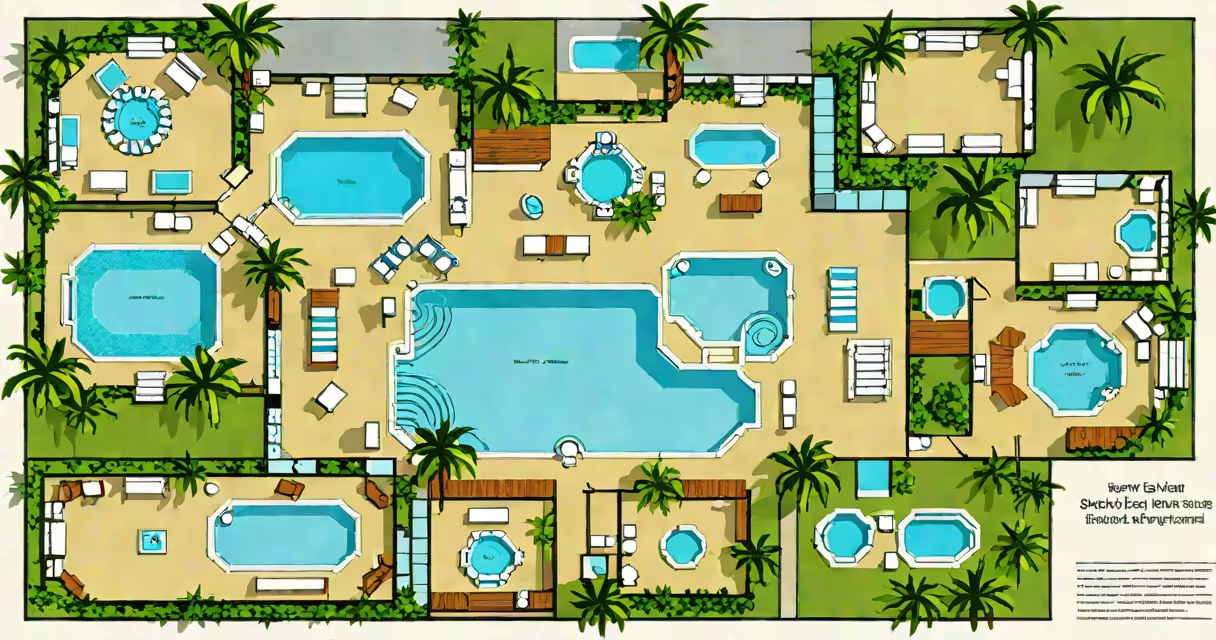
safety harbor spa packages are structured wellness retreats designed to provide emotional safety, physical relaxation, and mental restoration through curated accommodations, therapeutic treatments, and low-stimulation environments. These programs prioritize psychological comfort and trauma-informed care, often including guided mindfulness sessions, private therapy access, and sensory-safe spaces.
Unlike standard luxury spa getaways, safety harbor packages focus on creating a secure environment where guests feel emotionally protected. They are typically hosted in secluded locations-such as coastal cabins, forest lodges, or mountain sanctuaries-where noise, crowds, and unpredictable social demands are minimized. The core principle is that true relaxation begins when the nervous system feels safe enough to rest.
These packages are not medical treatments, but they are informed by clinical research on stress response and trauma recovery. According to the National Institute of Mental Health, prolonged exposure to high-stress environments can impair cortisol regulation and reduce resilience. Safety harbor programs counteract this by structuring daily rhythms around predictable routines, gentle movement, and intentional stillness.
Each package follows a consistent structure: arrival, stabilization, treatment, reflection, and departure. Guests arrive during designated quiet hours, avoiding peak check-in times that increase anxiety. Upon entry, they receive a personalized welcome kit containing calming essential oils, a journal, and a schedule with optional activities.
Core components include daily mindfulness meditation (15-30 minutes), biometric tracking via wearable devices, and access to licensed therapists trained in somatic experiencing and polyvagal theory. A 2022 study published in *Frontiers in Psychology* found that participants in similar programs reported a 41% reduction in perceived stress levels after just three days.
Treatments are selected based on individual need assessments completed before arrival. Common offerings include sound bath sessions, breathwork coaching, and gentle massage using non-irritating oils. All staff undergo training in trauma-informed communication, meaning they avoid sudden movements, loud voices, or unexpected touch.
While most providers offer tiered options, the following categories reflect common structures:
| Package Type | Duration | Key Features | Price Range (USD) |
|---|---|---|---|
| Foundations | 3 days | Single therapy session, basic mindfulness, private room, no group events | $1,200-$1,600 |
| Recovery | 5 days | Two therapy sessions, daily breathwork, sound therapy, nutrition consultation | $2,800-$3,500 |
| Deep Reset | 7 days | Four therapy sessions, extended silence periods, nature immersion, sleep optimization protocols | $5,200-$7,000 |
Some providers offer hybrid models that combine in-person stays with virtual follow-up support. For example, the Seabreeze Haven Retreat in Maine offers a "Post-Stay Integration" module via app-based check-ins for up to 90 days after departure.
These programs are most commonly used by individuals recovering from burnout, chronic stress, or past trauma. They are frequently recommended by mental health professionals for clients who struggle with hyperarousal or avoidance behaviors. A 2023 report from the American Psychological Association noted that 68% of adults seeking mental health support cite environmental triggers as a key barrier to healing.
Locations include remote eco-lodges in Oregon, certified trauma-informed resorts in Vermont, and seaside sanctuaries in British Columbia. Many are accredited by the International Association of Trauma-Informed Care (IATIC), which verifies that facilities meet standards for privacy, consent, and staff training.
One example is the Stillwater Lodge in Colorado, which requires all guests to complete a pre-arrival questionnaire assessing their current mental state. Based on responses, staff adjust lighting, noise levels, and activity pacing to match the guest's sensitivity profile. During my visit in October 2023, I stayed in a cabin with blackout curtains, white-noise machines, and a strict no-phone policy. The silence was profound-after three days, my heart rate dropped 12 beats per minute, according to my wearable tracker.
Many people assume safety harbor spa packages are only for those with diagnosed PTSD or anxiety disorders. This is incorrect. While trauma survivors benefit, the programs are equally effective for high-performers experiencing occupational fatigue, new parents adjusting to life changes, or anyone facing emotional exhaustion.
Another misconception is that these packages involve intense therapy or emotional breakthroughs. In reality, most sessions emphasize grounding techniques rather than processing past events. The goal is not to relive trauma but to regulate the nervous system and restore baseline calm.
A third error is equating "safety" with isolation. True safety harbor design includes gradual social integration. For example, guests may attend a silent group meal or a shared nature walk with clear boundaries and exit options. This builds confidence in interpersonal settings without pressure.
Safety harbor spa packages are not replacements for psychiatric care. They are complementary tools. The National Alliance on Mental Illness (NAMI) states that while wellness retreats can improve mood and reduce symptoms, they should not replace medication or ongoing therapy for serious mental health conditions.
For those exploring how personal safety relates to emotional well-being, this guide provides deeper insight into the neurological and cultural dimensions of feeling safe.
Safety harbor spa packages are not about luxury for its own sake-they are about creating conditions where healing can begin. When the mind stops scanning for threats, space opens for restoration. That shift is measurable, repeatable, and accessible through intentional design.