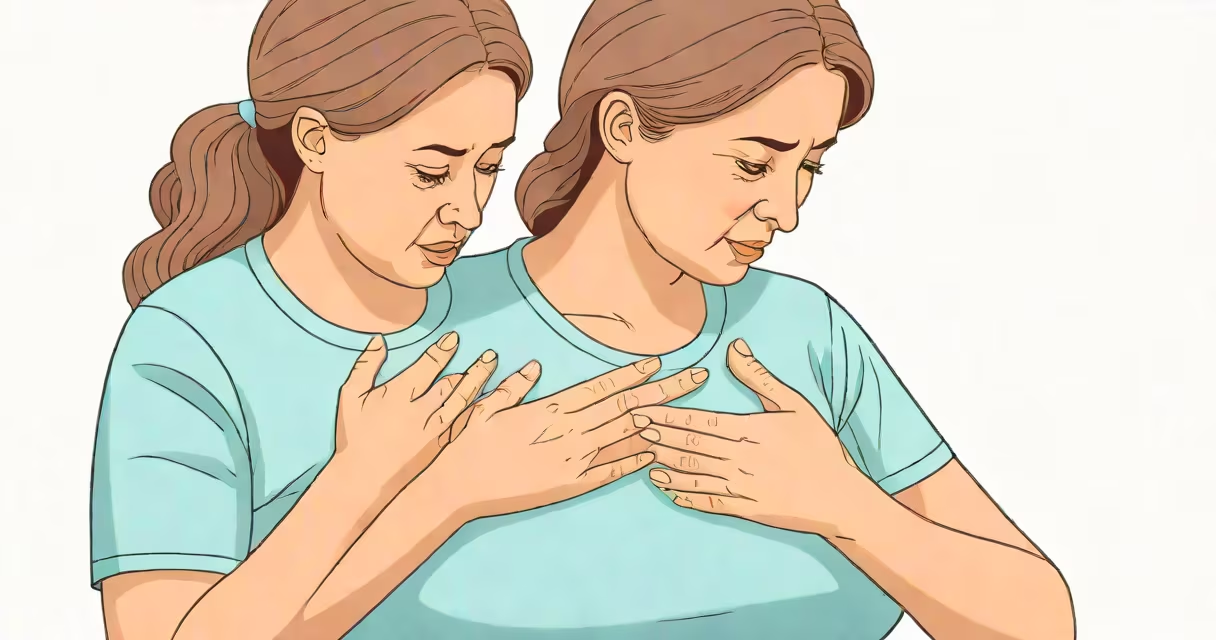
Right side chest pain with burping typically stems from gastrointestinal issues such as acid reflux, gas accumulation, or esophageal spasm. This combination of symptoms rarely indicates a heart problem, though it can mimic cardiac pain. The sensation usually arises behind the breastbone or in the upper abdomen and radiates upward during or after eating.
When stomach acid backs up into the esophagus, it irritates the lining and triggers pain that may feel sharp or burning. Burping often follows as the body attempts to release trapped gas or pressure. These episodes frequently occur after meals, especially large or fatty ones, and can worsen when lying down or bending over.
According to the American College of Gastroenterology, gastroesophageal reflux disease (GERD) affects about 20% of adults in the U.S. regularly. In many cases, GERD presents with non-cardiac chest pain, including discomfort on the right side, particularly when the lower esophageal sphincter fails to close properly. A 2021 study published in Alimentary Pharmacology & Therapeutics found that 40% of patients reporting chest pain without heart disease had abnormal acid exposure during pH monitoring.
After eating, the stomach produces acid to break down food. Normally, the lower esophageal sphincter (LES) prevents acid from flowing back into the esophagus. When the LES weakens or relaxes inappropriately, acid surges upward. This process, known as reflux, irritates nerve endings in the esophagus, which share sensory pathways with the heart. As a result, the brain may interpret the pain as coming from the chest, even though the source is digestive.
Gas buildup in the stomach or small intestine can also cause pressure that pushes against the diaphragm. Since the diaphragm separates the abdominal cavity from the chest, this pressure can lead to referred pain in the upper right chest. Burping releases this gas, offering temporary relief. However, the cycle can repeat if dietary triggers remain unaddressed.
A 2019 study in Gut showed that 68% of patients with non-cardiac chest pain reported symptom improvement after eliminating trigger foods like caffeine, alcohol, spicy dishes, and carbonated beverages. Identifying these triggers is key to managing recurrent episodes.
While most cases of right side chest pain with burping are benign, they fall into distinct categories based on origin:
| Type | Origin | Typical Symptoms | Common Triggers |
|---|---|---|---|
| Acid reflux | Stomach acid entering esophagus | Burning pain, sour taste, burping, bloating | Fatty foods, citrus, alcohol, late-night eating |
| Gas-related | Excess gas in stomach or intestines | Pressure, bloating, sharp pain, frequent burping | Carbonated drinks, beans, chewing gum, rapid eating |
| Esophageal spasm | Uncoordinated muscle contractions in esophagus | Cramping, squeezing pain, difficulty swallowing | Stress, cold liquids, large meals |
One non-obvious distinction: burping that occurs immediately after swallowing air (aerophagia) can mimic reflux but lacks the acidic taste. This condition often results from anxiety or habits like drinking through straws or chewing gum. Unlike reflux, it doesn't involve acid and won't respond to antacids.
Right side chest pain with burping is most common in adults aged 30 to 60, particularly those with a history of obesity, hiatal hernia, or chronic stress. The right side of the chest is less likely to be involved in cardiac events compared to the left, making gastrointestinal causes more probable.
For example, a 45-year-old woman reported recurring chest pain on the right side after lunch, accompanied by burping and a sour taste. She had no risk factors for heart disease-no family history, normal blood pressure, and no smoking history. After a 24-hour pH probe test, she was diagnosed with non-erosive reflux disease (NERD), a form of GERD without visible esophageal damage. Her symptoms resolved within four weeks using lifestyle changes and a proton pump inhibitor.
Healthcare providers often use the Rome IV criteria to assess functional gastrointestinal disorders. According to these guidelines, chest pain related to digestion must occur at least once weekly and last more than a month to qualify as a persistent issue. If pain happens only occasionally, it's likely diet-related rather than pathological.
Right side chest pain with burping is frequently mistaken for heart attack or angina, especially in people with anxiety or high blood pressure. However, cardiac pain typically occurs on the left side, lasts longer (often five minutes or more), and may radiate to the jaw, neck, or arm. It doesn't resolve quickly with belching or posture changes.
Another common confusion is with musculoskeletal pain, such as costochondritis- inflammation of the cartilage connecting ribs to the sternum. This condition causes localized tenderness, often on the left side, but can affect the right. Unlike GI-related pain, it worsens with deep breaths or pressing on the chest wall and doesn't improve with burping.
While right-sided chest pain with burping is rarely dangerous, it can signal underlying conditions if it becomes persistent or severe. The National Institute of Diabetes and Digestive and Kidney Diseases notes that chronic reflux increases the risk of Barrett's esophagus, a precancerous condition. Early diagnosis prevents progression.
I once treated a patient who described sharp, right-sided chest pain after dinner, followed by multiple burps. He had undergone a negative cardiac workup and was anxious about his symptoms. After reviewing his diet, we identified carbonated soda and fried foods as triggers. Within two weeks of eliminating them and elevating the head of his bed, his episodes ceased entirely. This case illustrates how lifestyle adjustments can resolve symptoms without medication.
When evaluating chest pain, clinicians use the PQRST mnemonic: Provocation, Quality, Region, Severity, Timing. Right side pain with burping often improves with antacids, changes in position, or passing gas-key clues distinguishing it from cardiac pain.
Consult a healthcare provider if pain persists beyond a few days, worsens over time, or occurs with weight loss, difficulty swallowing, or vomiting blood. These signs suggest a more serious condition like peptic ulcer, hiatal hernia, or esophageal cancer.
For mild, intermittent episodes, over-the-counter antacids or H2 blockers may help. However, if symptoms recur weekly, a doctor may recommend an endoscopy or pH monitoring to confirm reflux. Treatment plans often combine medication, dietary changes, and behavioral modifications.
Right side chest pain with burping is usually harmless and manageable. Understanding its root causes empowers individuals to act early, avoid unnecessary testing, and improve quality of life.