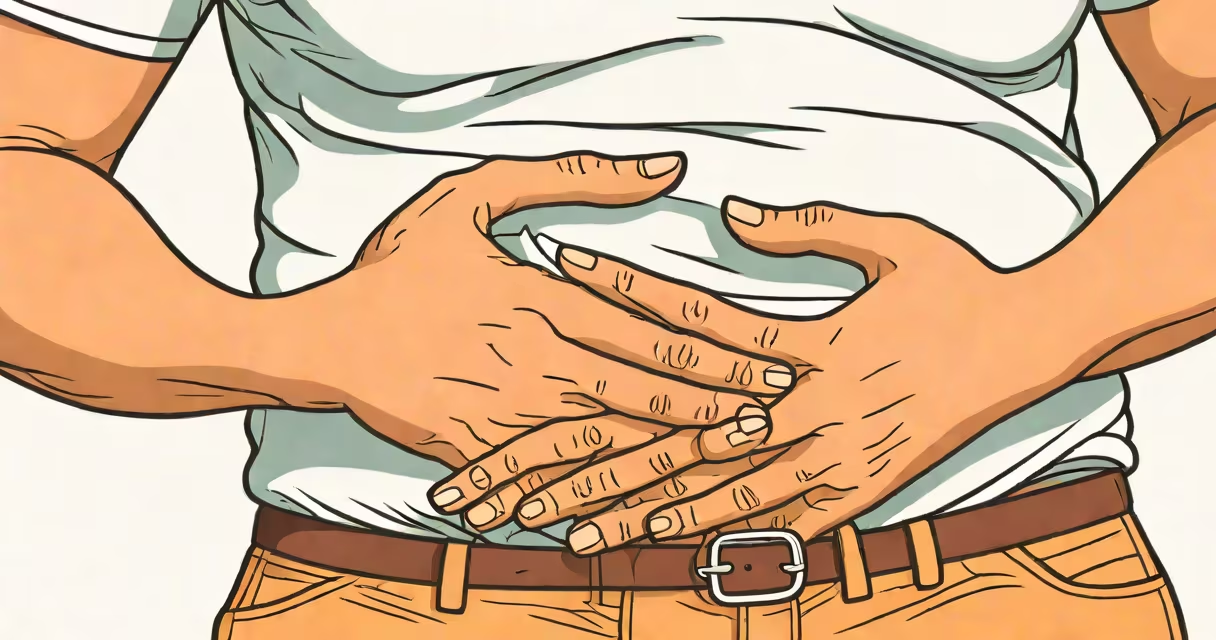
Stomach soreness refers to persistent or sharp discomfort in the abdominal area, often caused by digestive issues, muscle strain, or underlying medical conditions. It's not a diagnosis but a symptom signaling something is off in the body's internal processes.
Abdominal pain varies widely in intensity and location. Soreness may feel dull and achy or sharp and cramping. It can last minutes or persist for days. The sensation often worsens during eating, movement, or pressure on the area. Identifying the root cause requires attention to timing, triggers, and accompanying symptoms.
Common causes include food intolerances, infections, menstrual cycles, stress-induced gut changes, and chronic conditions such as irritable bowel syndrome (IBS) or inflammatory bowel disease (IBD). Less frequently, it signals serious issues like appendicitis, kidney stones, or hernias. Pain localized to one quadrant, especially the lower right, warrants immediate evaluation.
The stomach and intestines are lined with sensitive nerve endings. When irritated by acid, gas, inflammation, or contractions, they send pain signals to the brain. This process is normal, but prolonged or intense activation indicates dysfunction.
For example, consuming spicy or fatty foods can trigger acid reflux or gastric irritation. The stomach lining becomes inflamed, leading to burning or tightness. This is distinct from muscle soreness, which results from physical exertion or poor posture.
Neurological pathways also play a role. Stress activates the hypothalamic-pituitary-adrenal (HPA) axis, increasing cortisol and altering gut motility. This leads to bloating, cramping, and heightened sensitivity-common in functional disorders like IBS, where no structural damage exists but pain persists.
Different patterns point to different causes. Location matters: upper abdominal soreness often relates to the stomach or pancreas; lower abdominal pain may involve the intestines or reproductive organs.
| Location | Common Causes | Red Flags |
|---|---|---|
| Upper middle | Gastritis, peptic ulcer, GERD | Burning pain after meals, vomiting blood |
| Lower right | Appendicitis, diverticulitis | Pain worsening over hours, fever, loss of appetite |
| Lower left | Diverticulosis, IBS, constipation | Alternating diarrhea and constipation |
| Generalized | Food poisoning, viral gastroenteritis | Diarrhea, nausea, fever lasting more than 48 hours |
One overlooked cause is visceral hypersensitivity-a condition where nerves in the gut become overly reactive. A study published in Gastroenterology found that up to 60% of IBS patients report pain with minimal intestinal distension, suggesting altered pain processing rather than tissue damage.
Another non-obvious factor: medication side effects. NSAIDs like ibuprofen reduce protective mucus in the stomach lining, increasing risk of ulcers. Antibiotics disrupt gut flora balance, leading to bloating and cramping. These effects can emerge weeks after starting treatment.
Some causes of stomach soreness aren't gastrointestinal at all. Pelvic pain in women may originate from ovarian cysts, endometriosis, or uterine fibroids. Men may experience referred pain from kidney stones, which radiates from the flank to the lower abdomen.
For instance, a 32-year-old woman reported severe lower abdominal pain that worsened during her period. She had no history of digestive issues. After imaging, she was diagnosed with endometriosis affecting the rectovaginal septum. Her pain resolved after laparoscopic excision. This case illustrates how abdominal pain can mimic GI problems while being gynecological in origin.
Stress-induced pain is another hidden driver. Research from the National Institutes of Health shows that psychological stress alters gut microbiota composition and increases intestinal permeability-commonly called "leaky gut"-leading to inflammation and discomfort.
Many people assume that mild, recurring soreness is harmless. But persistent pain-even if intermittent-can indicate early-stage disease. The American College of Gastroenterology recommends evaluating abdominal pain lasting longer than two weeks or occurring with weight loss, night sweats, or blood in stool.
Start by tracking symptoms: note timing, food intake, stress levels, and bowel habits. Keep a daily log for at least five days. This helps identify patterns and informs clinical decisions.
If pain is severe, sudden, or accompanied by fever, vomiting, or inability to pass gas, seek emergency care. Appendicitis can progress rapidly-symptoms evolve from mild discomfort to sharp, localized pain within hours.
For less urgent cases, consult a primary care provider or gastroenterologist. Blood tests, stool analysis, and imaging (like ultrasound or CT scan) may be ordered. An endoscopy can detect ulcers or inflammation in the upper GI tract.
I once treated a patient whose chronic stomach soreness stemmed from undiagnosed celiac disease. He'd attributed his symptoms to "acid reflux" for years. After a positive biopsy and gluten elimination, his pain vanished in six weeks. This case underscores the importance of testing-not assuming.
For mild, occasional soreness, dietary adjustments help. Avoid high-FODMAP foods (onions, garlic, beans) if IBS is suspected. Limit alcohol and caffeine. Eat smaller, frequent meals. Stay hydrated.
Top-of-stomach soreness may reflect diaphragmatic irritation, gallbladder issues, or even cardiac-related referred pain. Though rare, chest pain radiating to the upper abdomen should prompt immediate assessment for heart-related causes.
Understanding why is my stomach so sore begins with observation and context. Not all abdominal discomfort stems from digestion. Some signals systemic imbalance, hormonal shifts, or neurological misfiring. The key is distinguishing normal variation from warning signs.
When in doubt, don't wait. Persistent or worsening pain demands evaluation. Early intervention prevents complications and improves quality of life.