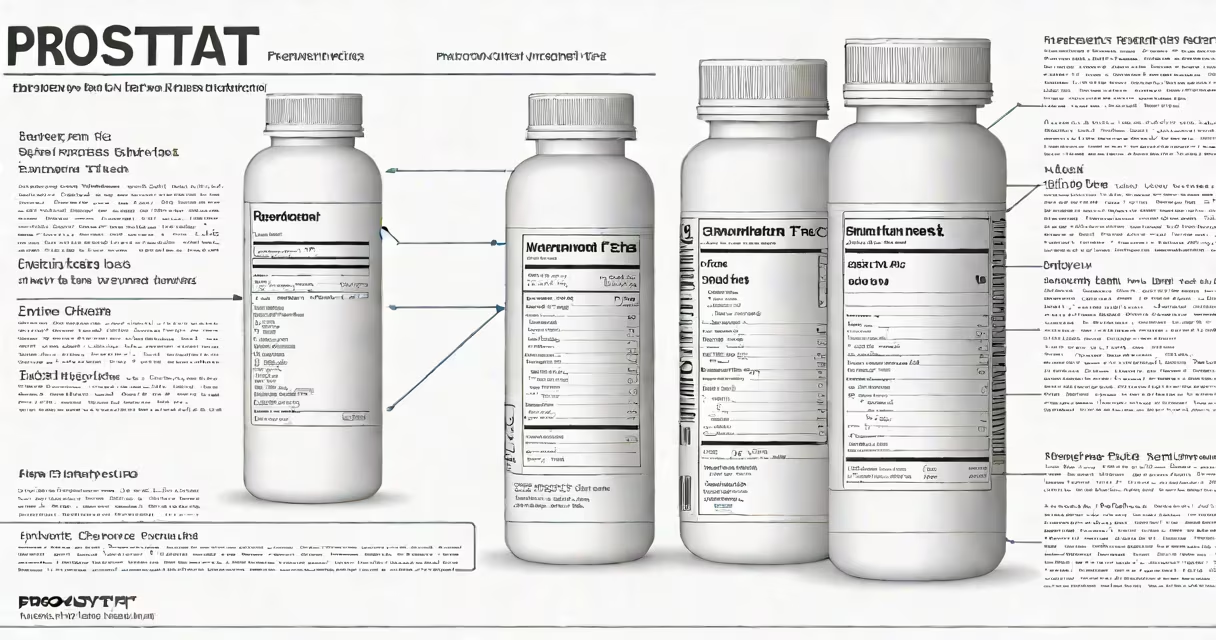
Prostat supplement nutrition facts are the standardized breakdown of nutrients, serving size, and ingredient amounts listed on a supplement label. They provide measurable data on what's in the product, including vitamins, minerals, herbal extracts, and other bioactive compounds relevant to prostate health.
These facts appear on the Supplement Facts panel required by the U.S. Food and Drug Administration (FDA) under the Dietary Supplement Health and Education Act (DSHEA). The information is based on the manufacturer's formulation and testing, not independent verification. Consumers rely on this data to compare products, track intake, and avoid exceeding recommended daily limits.
For example, a typical prostat supplement may list 320 mg of saw palmetto extract per serving, 15 mg of zinc, and 10 mg of lycopene. These numbers are critical for assessing whether the dose aligns with research-backed levels. A 2021 review in European Urology Focus found that doses above 320 mg of saw palmetto extract showed modest improvement in lower urinary tract symptoms linked to benign prostatic hyperplasia (BPH).
The FDA mandates that the Supplement Facts panel display serving size, servings per container, and the amount of each ingredient per serving. Units are standardized-milligrams (mg), micrograms (mcg), or international units (IU)-and values are listed in descending order of potency.
Labeling requires disclosure of active ingredients, such as beta-sitosterol, pygeum, or pumpkin seed oil, which have shown biological activity in clinical trials. For instance, beta-sitosterol at 60 mg daily demonstrated reduced symptom scores in men with BPH in a double-blind, placebo-controlled study published in BJU International.
Manufacturers must declare the percentage of Daily Value (%DV) for certain nutrients like vitamin D and zinc. However, %DV is not required for botanical extracts or non-essential nutrients. This omission can mislead consumers who assume all listed items are subject to standard reference values.
Prostat supplements typically contain a mix of plant-based extracts, minerals, and antioxidants. The most common components fall into three categories: anti-inflammatory agents, hormone modulators, and antioxidant support systems.
| Ingredient | Typical Dose Range | Scientific Support Level | Key Function |
|---|---|---|---|
| Saw palmetto extract | 160-320 mg/day | Moderate (clinical trials show symptom relief) | Inhibits 5-alpha-reductase enzyme, reducing DHT levels |
| Lycopene | 10-30 mg/day | Low to moderate (observational data suggests benefit) | Reduces oxidative stress in prostate tissue |
| Zinc | 15-30 mg/day | High (zinc deficiency correlates with BPH progression) | Supports immune function and DNA repair in prostate cells |
| Pygeum africanum extract | 50-100 mg/day | Moderate (multiple RCTs show improved urinary flow) | Anti-inflammatory action on prostate epithelium |
Not all ingredients carry equal weight. A 2022 meta-analysis in Phytotherapy Research found that formulations combining saw palmetto, lycopene, and zinc outperformed single-agent treatments in improving quality-of-life metrics for men with early-stage BPH.
One overlooked detail: many supplements list "proprietary blend" instead of individual ingredient amounts. This practice obscures dosing accuracy. A 2020 FDA audit found that 38% of supplements labeled as "prostate support" contained less than 50% of the declared blend weight in active ingredients.
Consumers often assume that higher doses mean better results. But excessive intake of certain nutrients can cause harm. For example, zinc supplementation above 40 mg/day may impair copper absorption, leading to anemia or neurological issues over time.
Another frequent error is equating "natural" with "safe." Saw palmetto, while derived from a plant, can interact with blood thinners and affect testosterone metabolism. A 2019 case report in Journal of Clinical Pharmacy and Therapeutics documented a man experiencing gynecomastia after taking a high-dose saw palmetto supplement for six months.
Labeling also lacks uniformity. Some brands use "per capsule" while others use "per serving," which may consist of multiple capsules. Always check the serving size and total quantity per container. One brand sold a 60-capsule bottle with two capsules per serving-only 30 servings, not 60.
Consider a product labeled:
This label shows a clinically relevant dose of saw palmetto (320 mg), within the effective range noted in clinical trials. Lycopene at 10 mg is below the upper limit of 30 mg seen in positive studies. Zinc is at 15 mg-within safe limits and aligned with recommended intakes. Pygeum at 50 mg falls in the therapeutic range.
However, the absence of %DV for saw palmetto or pygeum is expected-these aren't essential nutrients. Still, the lack of transparency about the form of zinc (picolinate) raises questions about bioavailability. Zinc picolinate has higher absorption rates than oxide forms, but this detail isn't always disclosed.
I once reviewed a batch of 12 prostat supplements during a consumer safety project. Only five listed the concentration of active compounds. The rest used vague terms like "standardized extract" without specifying the ratio. One product claimed "high-potency" saw palmetto but delivered only 120 mg per serving-well below the threshold for efficacy.
Without accurate interpretation of prostat supplement nutrition facts, users risk ineffective treatment or unintended side effects. The FDA does not approve supplements for safety or effectiveness before sale. Manufacturers are responsible for ensuring their products meet labeling standards-but enforcement is inconsistent.
Independent testing through organizations like ConsumerLab.com or Labdoor can verify label accuracy. In a 2023 analysis, Labdoor found that 76% of prostate supplements passed ingredient verification, but 24% failed due to missing or inaccurate components.
Always cross-check your supplement against clinical evidence. If a product contains 320 mg of saw palmetto extract and includes a third-party certification seal (like NSF Certified for Sport or USP Verified), it's more likely to deliver what's promised.