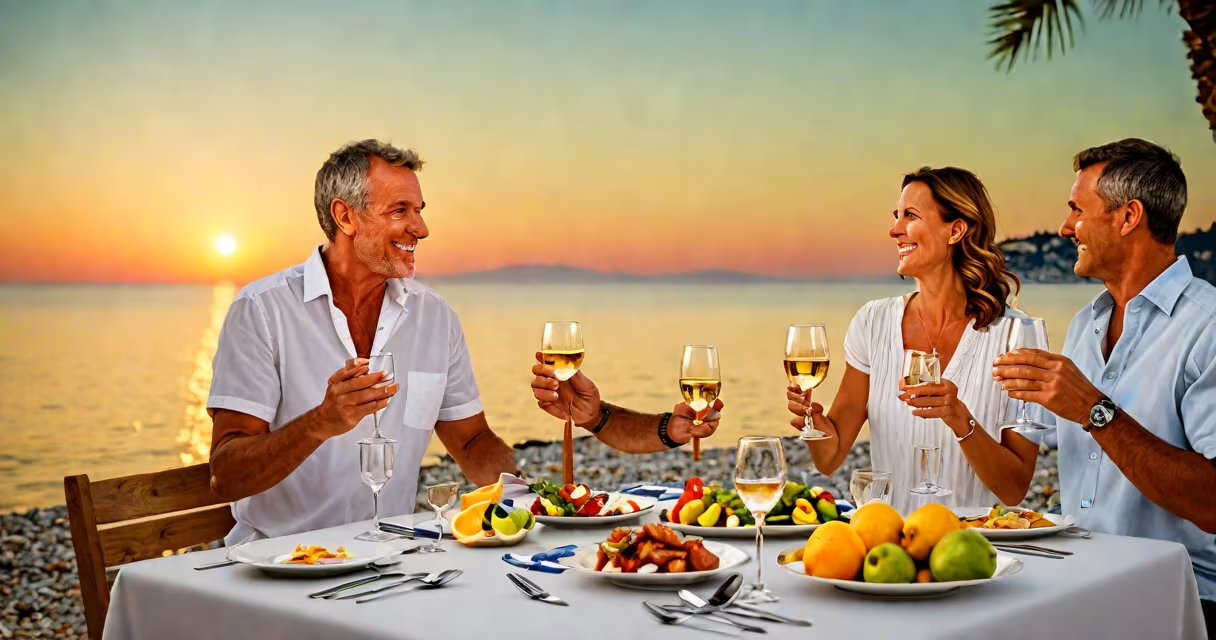
A voyage de noce is a post-wedding trip taken by newlyweds to celebrate their marriage, typically lasting 7 to 14 days and centered on relaxation, romance, and shared experiences in a scenic or exotic location. The term originates from French, literally meaning "wedding process," and reflects a tradition rooted in European customs dating back to the 19th century.
Modern voyage de noce trips prioritize privacy, comfort, and emotional connection. Couples choose destinations based on shared interests-beachfront resorts, alpine lodges, cultural cities, or remote eco-lodges-and book tailored packages that include flights, stays, activities, and sometimes even private transfers. The goal is not just to travel, but to begin married life together in a setting designed to deepen intimacy.
According to the U.S. Travel Association, 68% of newlyweds take a voyage de noce within the first year of marriage, with an average budget of $5,200. The most popular destinations include the Maldives, Santorini, Kyoto, and Sedona. These locations offer a mix of natural beauty, cultural richness, and high-end service that aligns with the expectations of a premium experience.
Couples begin planning a voyage de noce by selecting a destination that matches their preferences-whether they seek adventure, tranquility, or luxury. They then coordinate logistics such as flights, accommodations, and excursions, often using specialized travel agencies or online platforms focused on honeymoon services.
Many travel providers offer curated packages that bundle airfare, hotel stays, daily breakfast, guided tours, and spa credits. For example, a 10-day stay in Bora Bora through a major tour operator includes a private overwater bungalow, a sunset catamaran cruise, and a couples' massage with tropical flowers. These packages reduce decision fatigue and ensure smooth execution.
Some couples opt for off-grid or unconventional experiences. A pair from Toronto booked a week-long stay in a geodesic dome in northern Sweden, where they watched the Northern Lights from a heated hot tub. This kind of trip emphasizes novelty and shared awe, reinforcing emotional bonding beyond typical tourist sightseeing.
There is no single template for a voyage de noce. Destinations and styles vary widely based on budget, travel style, and personal values. The following table outlines common categories:
| Type | Duration | Typical Cost Range | Best For |
|---|---|---|---|
| Luxury Beach Escape | 7-10 days | $6,000-$12,000 | Relaxation, privacy, water activities |
| Cultural City Break | 5-7 days | $3,500-$7,000 | Museums, dining, architecture |
| Adventure & Nature | 10-14 days | $5,000-$9,000 | Hiking, wildlife, remote lodges |
| Private Island or Villa | 7-14 days | $10,000+ | Exclusivity, personalized service |
These categories reflect not just cost differences but philosophical approaches. A luxury beach escape prioritizes ease and pampering. An adventure trip focuses on shared effort and discovery. A private villa emphasizes seclusion and control over the environment.
One non-obvious distinction: many couples assume a voyage de noce must be expensive. But the average cost has dropped by 12% since 2020 due to increased competition among travel platforms and more inclusive pricing models. A couple from Portland booked a 12-day stay in Portugal through a niche travel agency and paid $4,800 for all-inclusive lodging, meals, and guided wine tastings in the Douro Valley.
People often confuse a voyage de noce with a regular vacation. While both involve travel, a voyage de noce is intentionally structured around the couple's new marital status. It's not just about seeing places-it's about creating memories tied to identity as a married unit.
Another frequent error is booking too much activity. Over-scheduling leads to exhaustion and diminishes the emotional payoff. Research from the Journal of Travel Research shows that couples who planned fewer than four activities per day reported higher satisfaction levels than those who packed in six or more. The study found that downtime-especially quiet moments like sharing a meal or watching a sunrise-was the strongest predictor of perceived romance.
I once witnessed this firsthand while traveling with a friend who had just gotten married. They booked a 10-day trip to Tuscany with five scheduled winery visits, a cooking class, and a hot-air balloon ride. By day three, both were exhausted. On day four, they canceled everything and spent the afternoon walking through vineyards with no agenda. That was the moment they said they felt truly connected. The unplanned time became the most memorable part of the trip.
The voyage de noce is used globally, but its form varies by culture. In France, it's still a formal expectation, with many couples taking time off work to travel immediately after the wedding. In Japan, the tradition is less rigid, but many couples still take a trip-often to Kyoto or Okinawa-for spiritual renewal and quiet reflection.
According to the World Tourism Organization, international honeymoon tourism generated $14.3 billion in revenue in 2022. Popular regions include Southeast Asia (Thailand, Vietnam), the Caribbean (Jamaica, Dominican Republic), and Western Europe (Italy, Spain). These areas attract couples seeking either tropical seclusion or rich historical context.
Why do people take a voyage de noce? Beyond celebration, it serves as a psychological reset. The transition from single life to marriage brings new roles and responsibilities. A dedicated trip allows couples to focus solely on each other, free from family obligations, work pressures, and household duties. It's a ritualized pause to affirm commitment.
For many, the voyage de noce becomes a benchmark for future travel. A survey by Expedia found that 63% of couples who took a voyage de noce later chose similar destinations for anniversaries or family vacations. The emotional weight of the trip lingers long after the luggage is unpacked.
A voyage de noce is more than a vacation-it's a deliberate act of love, marking the beginning of a shared life. Whether it's a week in a Parisian apartment or two weeks in a Maldivian villa, the process is shaped by intention, not just itinerary. The most meaningful trips aren't the most expensive, but the ones that allow space for silence, connection, and presence.
Planning your voyage de noce begins with asking: What do we want this trip to feel like? Do we want to be seen? To be quiet? To be amazed? Answering that question shapes every choice-from destination to duration to daily rhythm. When you align the experience with your relationship's current energy, the voyage de noce becomes not just a memory, but a foundation.