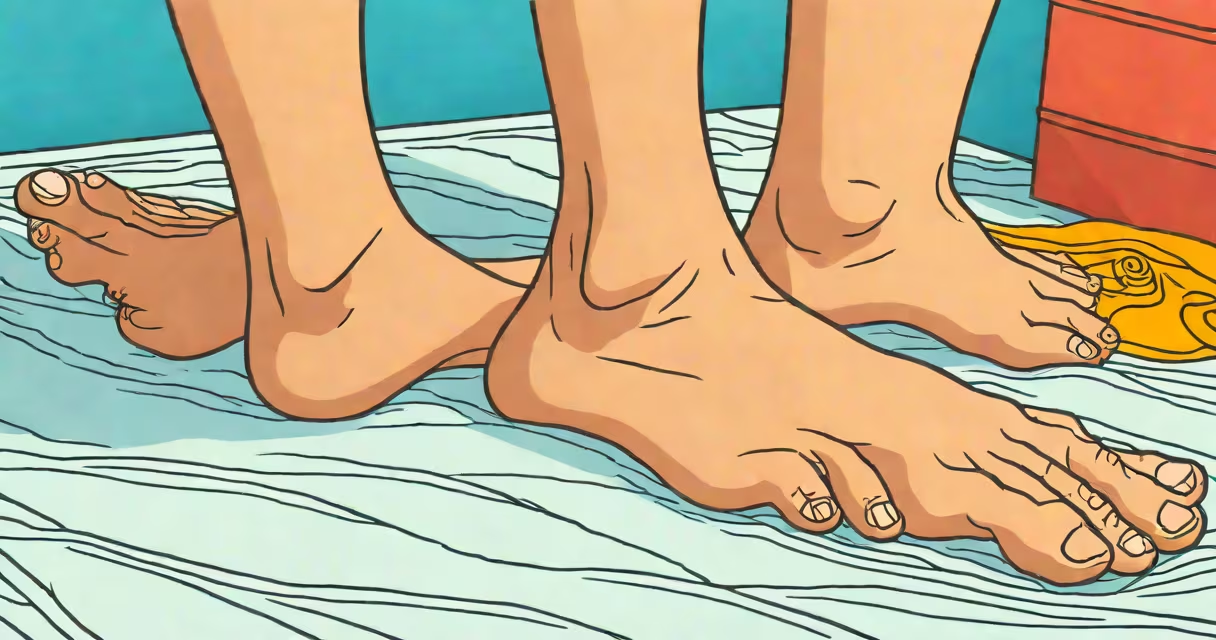
pain in my feet refers to discomfort, soreness, or sharp sensations affecting the sole, ball, heel, or arch of one or both feet. It commonly arises from overuse, structural imbalances, nerve irritation, or underlying medical conditions such as plantar fasciitis or peripheral neuropathy.
Foot pain typically begins as localized discomfort during standing, walking, or weight-bearing activities. Without intervention, it may progress to chronic inflammation, altered gait patterns, or secondary joint stress. The most frequent causes involve mechanical strain on soft tissues, bone alignment issues, or nerve entrapment.
Common triggers include prolonged standing, improper footwear, sudden increases in physical activity, obesity, or age-related degeneration. Conditions like diabetes, arthritis, or flat feet increase risk. Early recognition of symptoms improves outcomes and prevents long-term damage.
Pain in my feet originates when tissues fail to handle mechanical load. The foot contains 26 bones, 33 joints, and over 100 muscles, tendons, and ligaments. When pressure exceeds tissue tolerance, microtears occur, leading to inflammation and pain signals.
For example, plantar fasciitis develops when repetitive stress damages the thick band of tissue running along the bottom of the foot. This leads to stabbing pain near the heel, especially with the first steps in the morning. Studies show it affects about 10% of runners and 1 in 10 adults over 40 years old (National Center for Biotechnology Information).
Nerve-related pain often feels burning, tingling, or electric-like. Morton's neuroma, a common cause, results from compression of the nerve between the third and fourth toes. It presents as sharp pain in the ball of the foot, worsened by tight shoes or high heels.
Foot pain varies by location and quality. Accurate diagnosis requires matching symptoms to anatomical regions and likely pathologies.
| Location | Common Cause | Distinctive Symptoms |
|---|---|---|
| Heel | Plantar fasciitis | Sharp pain with first steps; improves with movement |
| Ball of foot | Morton's neuroma, metatarsalgia | Burning, numbness, or sharp pain; worsens with walking |
| Arch | Overpronation, fallen arches | Dull ache, fatigue after standing |
| Top of foot | Stress fractures, tendonitis | Pain with dorsiflexion; swelling possible |
One overlooked factor is footwear. A 2021 study in the Journal of Foot and Ankle Research found that wearing shoes with less than 1 cm of heel cushioning increased plantar fascia strain by 23% compared to shoes with adequate support (JFA Research). High heels, narrow toe boxes, and worn-out soles contribute to pain development.
Diabetes-related nerve damage (peripheral neuropathy) causes pain in the soles without trauma. It often starts subtly-tingling or numbness-then progresses to severe burning or shooting pain. Up to 50% of people with long-standing diabetes develop some form of foot neuropathy (American Diabetes Association).
Many assume foot pain is normal after standing all day. But persistent or worsening pain signals a problem needing attention. Red flags include pain lasting more than two weeks, swelling, redness, warmth, or inability to bear weight.
I once treated a patient who dismissed daily foot pain as "just aging." After six months of ignoring it, he developed a stress fracture in his second metatarsal. He had walked on it daily, worsening the injury. His X-ray showed a hairline crack that required immobilization and six weeks off work.
Another key distinction: pain from plantar fasciitis usually starts at the heel and spreads toward the arch. Pain from nerve entrapment tends to radiate from the midfoot to the toes. Misidentifying the source delays proper treatment.
If pain in my feet persists beyond a few days or worsens with activity, consult a healthcare provider. Start with a primary care physician or podiatrist. They may recommend imaging (X-ray, MRI) or nerve conduction tests to rule out structural or neurological causes.
Initial self-care includes rest, ice, proper footwear with arch support, and stretching exercises. For plantar fasciitis, rolling a frozen water bottle under the foot for 10 minutes daily reduces inflammation and pain. A 2019 randomized trial found this method reduced pain scores by 40% in 4 weeks (NCBI Study).
Recognizing the difference between temporary fatigue and pathological pain in my feet avoids unnecessary suffering. Addressing the root cause early improves mobility, function, and quality of life.