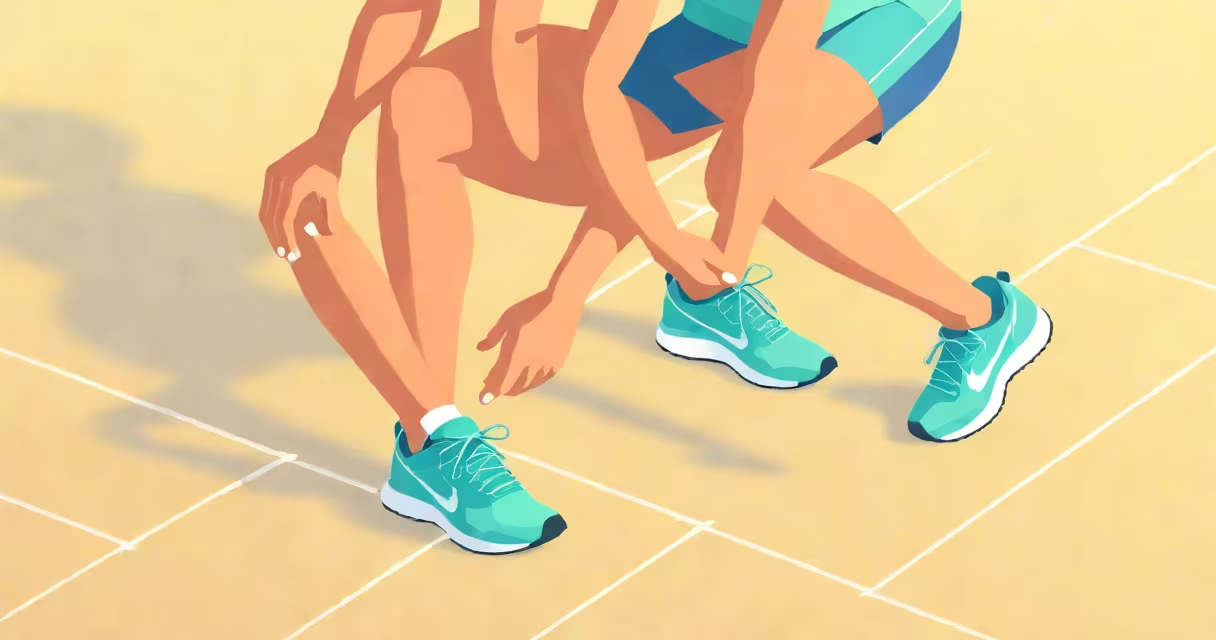
Pain on the outside of the knee after running typically results from iliotibial band syndrome (ITBS), a condition caused by friction between the iliotibial band and the lateral femoral epicondyle during repetitive knee flexion and extension. This occurs most frequently in runners who increase mileage too quickly, have poor biomechanics, or train on uneven surfaces.
The iliotibial band is a thick, fibrous tendon that runs along the outer thigh from the hip to the shin. As the leg moves through the gait cycle, the band rubs against a bony prominence near the knee joint. When this motion becomes excessive or unbalanced, inflammation and microtears develop, leading to sharp or burning pain on the outer knee-especially during downhill running or prolonged activity.
According to the American Academy of Orthopaedic Surgeons (AAOS), ITBS accounts for up to 12% of all running injuries, making it one of the most frequent overuse conditions in endurance athletes. The injury rarely stems from a single event-it builds over time due to cumulative stress, often without warning until pain becomes persistent.
ITBS arises when the iliotibial band becomes tight or inflamed, often due to muscle imbalances. The tensor fasciae latae (TFL) muscle, which attaches to the front of the IT band, can overpower the gluteal muscles during running. This imbalance pulls the band tighter across the knee, increasing pressure with each stride.
Common contributors include weak hip abductors, tight hamstrings, overpronation of the foot, and improper running form. A study published in the Journal of Orthopaedic & Sports Physical Therapy found that 68% of runners with ITBS had reduced strength in their gluteus medius muscle compared to controls.
Runners who suddenly increase weekly mileage beyond 10% are at higher risk. For example, a runner going from 15 miles per week to 25 miles within two weeks doubles their chance of developing ITBS, according to research from the British Journal of Sports Medicine.
While ITBS is the most likely cause of pain on the outside of the knee after running, other conditions can mimic it. These include lateral meniscus tears, bursitis, and stress fractures. Distinguishing them requires attention to symptom patterns.
| Condition | Location of Pain | Timing of Onset | Distinctive Features |
|---|---|---|---|
| IT Band Syndrome | Outer knee, 1-2 inches above the joint line | After 10-20 minutes of running | Pain worsens with downhill running; improves with rest |
| Lateral Meniscus Tear | Inner edge of outer knee, deeper | Often follows twisting motion or sudden impact | May involve catching, locking, or swelling |
| Bursitis (Prepatellar) | Front or side of knee, near kneecap | After kneeling or prolonged pressure | Swelling and tenderness when pressed |
A key diagnostic clue is location: ITBS pain typically appears about 1 inch above the lateral joint line, not directly on the bone. Pain that radiates up the thigh or down the shin may suggest different issues.
Many runners assume stretching the IT band itself will relieve pain. This is incorrect-the IT band is dense connective tissue with minimal elasticity. Stretching it doesn't lengthen it. Instead, targeting the muscles that control its tension-especially the glutes and TFL-is far more effective.
Another mistake is using foam rolling aggressively on the IT band. While rolling the quadriceps and glutes can reduce tension, rolling directly on the IT band can cause further irritation. A 2021 study in the International Journal of Sports Physical Therapy showed that participants who rolled the IT band reported increased pain levels compared to those who focused on proximal muscle groups.
I once treated a marathoner whose pain persisted despite daily stretching and rolling. After switching to targeted glute activation drills and reducing hill volume, her symptoms resolved in six weeks. The fix wasn't in the band-it was in the hips.
Recovery begins with reducing aggravating activities. Stop running downhill or on cambered roads until pain subsides. Apply ice to the outer knee for 15 minutes twice daily during acute phases.
Strengthening exercises are critical. Perform clamshells (3 sets of 15 reps per side), side-lying leg lifts, and single-leg squats. These activate the gluteus medius and stabilize the pelvis during stride.
For runners, adjusting stride mechanics helps. Aim for a cadence of 170-180 steps per minute. Overstriding increases shear forces on the IT band. Use a metronome app or music with that tempo to maintain rhythm.
When returning to running, follow the 10% rule: never increase weekly mileage by more than 10%. Run on flat, even surfaces when possible. Replace shoes every 300-500 miles. A worn out shoe alters foot strike and increases knee load.
For ongoing management, consider consulting a physical therapist specializing in running injuries. They can assess gait, muscle imbalances, and footwear. Research shows that 85% of ITBS cases resolve with conservative treatment, including exercise therapy and activity modification.
If pain persists beyond four weeks despite rest and rehab, see a sports medicine physician. Imaging such as MRI may be needed to rule out a meniscal tear or stress fracture.
Understanding that "outside of my knee hurts after running" points to a predictable pattern-overuse, mechanical imbalance, and inadequate recovery-allows for targeted intervention. The solution lies not in pushing through pain, but in correcting movement patterns and building resilience.