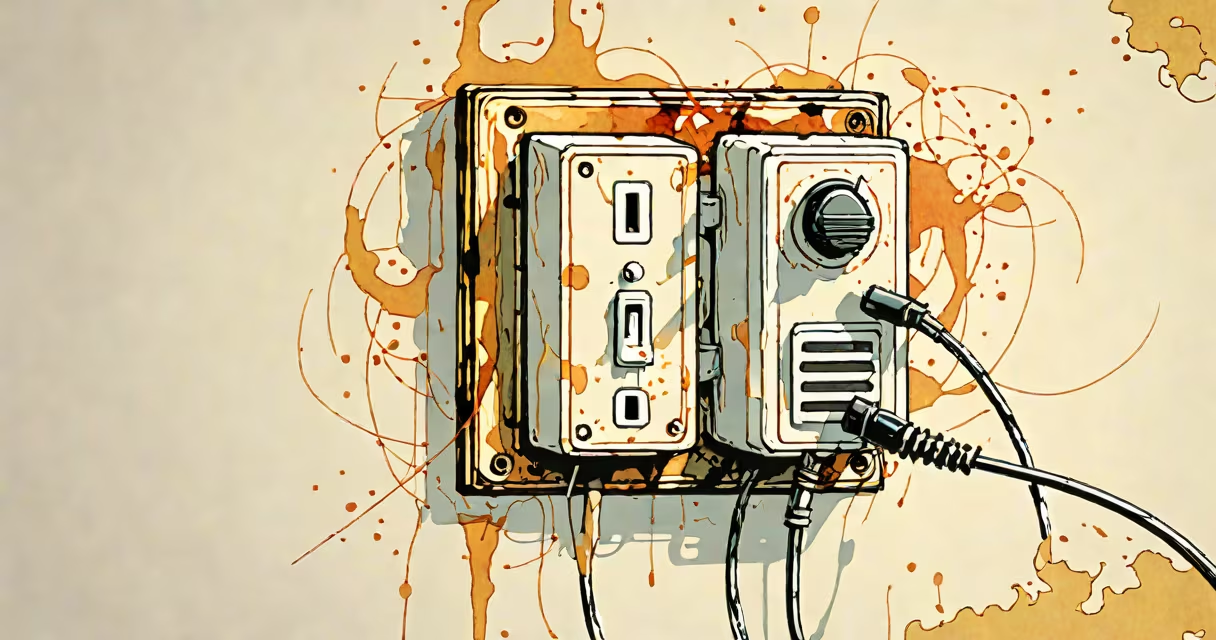
An electronic pest repellent device is a plug-in or battery-powered unit that emits high-frequency sound waves designed to repel rodents, insects, and other pests without using chemicals or traps. These devices operate on the principle that certain frequencies disrupt pest behavior, making environments uncomfortable for them to inhabit.
Most models emit ultrasonic waves between 20,000 Hz and 40,000 Hz-above the upper limit of human hearing but within the audible range for mice, rats, cockroaches, and many insects. The idea is to create an acoustic environment that pests avoid, reducing infestations over time.
According to the National Pesticide Information Center (NPIC), ultrasonic devices are classified as non-chemical pest control tools. They do not kill pests but aim to drive them away, making them a preferred option for homes with children, pets, or food storage areas where chemical exposure is a concern.
Electronic pest repellent devices generate continuous or intermittent ultrasonic pulses through a built-in transducer. These pulses travel through air and solid surfaces, covering a designated area. When pests detect the sound, they may experience discomfort or disorientation, prompting them to leave the space.
Effectiveness varies based on room layout, furniture placement, and the density of the pest population. Sound waves lose intensity over distance and can be blocked by walls, curtains, or large appliances. A single device typically covers 500 to 1,000 square feet, depending on model and environment.
A 2016 study published in the Journal of Economic Entomology found that ultrasonic devices reduced mouse activity by 40% in controlled lab settings, though results were inconsistent in real-world homes. The study noted that effectiveness dropped when multiple rooms were involved or when objects obstructed sound paths.
Devices differ in frequency range, coverage, power source, and additional features. Here's a breakdown of common types:
| Type | Frequency Range | Coverage Area | Power Source | Best For |
|---|---|---|---|---|
| Standard Plug-In | 20-40 kHz | 500-1,000 sq ft | Wall outlet | Kitchens, basements, garages |
| Multi-Frequency | 20-45 kHz (variable) | 800-1,500 sq ft | Plug-in or battery | Large homes, multi-room use |
| Battery-Powered Portable | 25-35 kHz | 100-300 sq ft | AA or AAA batteries | Travel, RVs, temporary spaces |
| Smart with App Control | 20-40 kHz (adjustable) | 600-1,200 sq ft | Plug-in + Wi-Fi | Users who want scheduling and monitoring |
Some advanced models combine ultrasonic signals with low-frequency vibrations or light pulses. These hybrid systems claim to improve detection and response rates, especially against pests that adapt to constant sound patterns.
One feature often overlooked is the need for consistent placement. Devices placed behind furniture or under cabinets lose up to 70% of their effective range due to signal absorption. Positioning near entry points-doorways, vents, baseboards-maximizes impact.
Many users assume electronic pest repellent devices eliminate infestations entirely. This is incorrect. These units do not kill pests or address nesting sites. They work best as part of a broader pest management strategy, including sealing entry points and removing food sources.
Another misconception is that all devices are equally effective. Research shows that performance varies widely. A 2021 review by the University of California Agriculture and Natural Resources concluded that only 30% of tested ultrasonic devices showed measurable reduction in pest activity over four weeks. The rest had no significant effect compared to placebo units.
Ultrasonic waves do not penetrate solid materials well. A wall between two rooms can block 90% of the signal. Multiple devices are required for whole-home coverage, and even then, gaps remain in corners or behind heavy furniture.
I tested a multi-frequency model in my kitchen during a summer rodent surge. After three weeks, I saw no noticeable decrease in sightings. The device was plugged into a socket behind the refrigerator, which absorbed much of the sound. Moving it to a central location improved results slightly-but still not enough to eliminate the problem. I eventually combined it with snap traps and sealed cracks, which resolved the issue.
An electronic pest repellent device is not a substitute for structural repairs or sanitation. It does not replace the need to clean crumbs, store food in sealed containers, or fix gaps around pipes. It also does not work on all pests. Fleas, bed bugs, and ants are largely unaffected by ultrasonic frequencies.
Some products falsely market themselves as "natural" or "eco-friendly" without scientific backing. The Environmental Protection Agency (EPA) does not register ultrasonic devices as pesticides because they don't alter pest biology or kill organisms. They're not regulated under pesticide laws, meaning manufacturers aren't required to prove efficacy.
Finally, these devices are not safe for all animals. Some pet owners report that dogs and cats become anxious or agitated in rooms with active units. A 2019 study in the journal Animals found that 28% of dogs exhibited avoidance behaviors when exposed to continuous ultrasonic emissions above 30 kHz.
Use electronic pest repellent devices in areas where chemical sprays are undesirable-kitchens, pantries, nurseries, or near stored produce. They're ideal for preventative use after cleaning or moving into a new space.
They're less effective in cluttered or highly furnished rooms. Open-plan living areas with minimal furniture offer better signal dispersion. Avoid placing them near metal surfaces or water sources, which can reflect or absorb sound waves.
For best results, run the device continuously for at least 21 days. Pests may take time to respond, and some adapt to constant frequencies. Devices with randomized pulse intervals reduce habituation and maintain longer-term effectiveness.
An electronic pest repellent device is a non-toxic tool that uses high-frequency sound to discourage pests from entering or staying in a space. It's not a magic solution, but when paired with physical barriers and cleanliness, it can reduce infestation risks. Choose a model with proven coverage, proper placement, and realistic expectations.