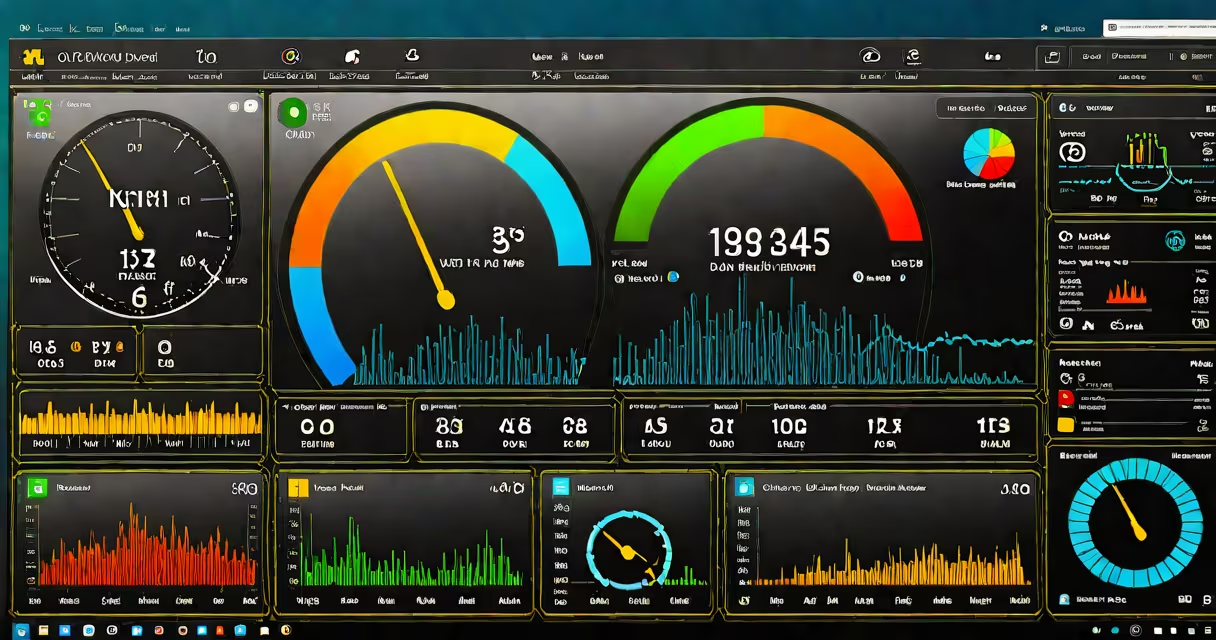
A cpu temp monitor windows 11 is a software tool that tracks the core temperature of your computer's central processing unit in real time, helping prevent thermal throttling, performance drops, and long-term hardware damage. These tools run in the background and display readings via a system tray icon, dashboard, or on-screen overlay.
Modern CPUs generate heat under load-especially during gaming, video rendering, or multitasking. Without monitoring, temperatures can rise past safe thresholds (typically above 95°C), triggering automatic shutdowns to protect components. A dedicated cpu temp monitor windows 11 app provides early warnings and logs historical data, enabling proactive cooling adjustments.
Windows 11 doesn't include a native CPU temperature sensor interface. The operating system relies on hardware firmware (like ACPI) to report thermal data, which most users can't access without third-party tools. This gap makes external monitoring essential for system stability and performance tuning.
These programs read thermal data from the CPU's embedded sensors through the Windows Management Instrumentation (WMI) interface or direct hardware communication via drivers. They don't measure air temperature-they track die temperature, which reflects actual chip stress.
When you launch a cpu temp monitor windows 11 application, it queries the system's BIOS or UEFI firmware for current temperature values. Data refreshes every 1-5 seconds, depending on the tool's settings. Some tools also analyze fan speed, voltage levels, and clock frequency to give a full picture of system health.
For example, HWiNFO64-a widely used open-source utility-reads S.M.A.R.T. data and CPU thermal zones from the motherboard's chipset. It displays live readings in a compact window and logs data to a file for later analysis. You can set alerts to trigger when temperatures exceed 85°C, giving you time to clean dust or replace thermal paste.
Tools fall into two categories: lightweight utilities and full-featured diagnostic suites.
| Type | Features | Best For | Example |
|---|---|---|---|
| Lightweight | System tray icon, basic alerts, minimal resource usage | Everyday users, quick checks | Core Temp, SpeedFan |
| Advanced | Real-time graphs, logging, remote access, multiple sensor support | Overclockers, gamers, IT professionals | HWiNFO64, Open Hardware Monitor |
Core Temp runs with minimal memory overhead and shows individual core temps. It's ideal for users who want a simple, always-on view without distractions. Open Hardware Monitor offers detailed telemetry and exports data to CSV files-useful for diagnosing recurring thermal spikes.
Some tools integrate with Windows 11's Action Center to send notifications when temperatures breach safe limits. Others support scripting for automated responses, such as reducing CPU clock speed or shutting down non-critical applications.
Users install cpu temp monitor windows 11 tools primarily to maintain system reliability. Overheating causes instability, crashes, and reduced component lifespan. A 2022 study by Intel found that sustained temperatures above 90°C reduce CPU lifespan by up to 30% due to accelerated wear on silicon layers.
Gamers and content creators rely on these tools to detect thermal throttling during extended sessions. When a CPU hits 95°C, it automatically reduces clock speeds to lower heat output-this can drop frame rates by 15-25% in demanding games. Monitoring lets users adjust cooling solutions before performance degrades.
IT departments use centralized monitoring tools to manage fleets of Windows 11 machines. Tools like HWiNFO can export logs to a server, allowing administrators to spot failing systems before they fail in production environments.
Many assume that a high CPU temperature always indicates a problem. But modern processors are designed to operate safely between 60°C and 95°C under load. A reading of 88°C during a video render is normal, not alarming.
Another mistake is relying solely on the Windows Task Manager's "Performance" tab. While it shows CPU usage, it does not display temperature. Confusing usage with heat leads to misdiagnosis-users may blame software bottlenecks when the real issue is poor airflow or dried-out thermal paste.
Some tools claim to "improve" performance based on temperature. These are misleading. No legitimate software can increase CPU speed beyond its rated thermal design power (TDP). Only hardware changes-better cooling, higher-quality thermal compound, or overclocking-can improve sustained performance.
I encountered a user whose Windows 11 laptop crashed repeatedly while exporting 4K video in Adobe Premiere Pro. Task Manager showed 100% CPU usage, but no error messages pointed to heat. After installing Core Temp, I saw the CPU spike to 102°C within 3 minutes of starting the export.
The system had been used for six months without cleaning. Dust had clogged the cooling fins and degraded the thermal paste. Replacing the paste and vacuuming the heatsink dropped idle temps from 68°C to 42°C and maintained stable operation during export.
This case highlights why a cpu temp monitor windows 11 tool isn't optional-it reveals hidden issues that standard diagnostics miss. Without it, the user would have assumed the problem was software-related or attributed the crashes to a failing GPU.
Download a trusted tool like HWiNFO64 from the official website. Run the installer as administrator to ensure full access to system sensors. Launch the program and select "Sensors" mode to view all available readings.
Set up a custom alert threshold-say, 85°C-for a warning pop-up. Enable logging to track temperature trends over time. Use the "Export" feature to save data for comparison across sessions.
For users who prefer minimal setup, Core Temp offers a portable version that runs from a USB drive without installation. It's useful for troubleshooting systems you don't own or can't modify.
Always verify software authenticity. Malware sometimes disguises itself as a system monitor. Check hashes against official releases and avoid third-party download sites.
Once configured, a cpu temp monitor windows 11 tool becomes part of your daily workflow. It's not just for troubleshooting-it's a preventive maintenance tool that extends hardware life and ensures consistent performance.