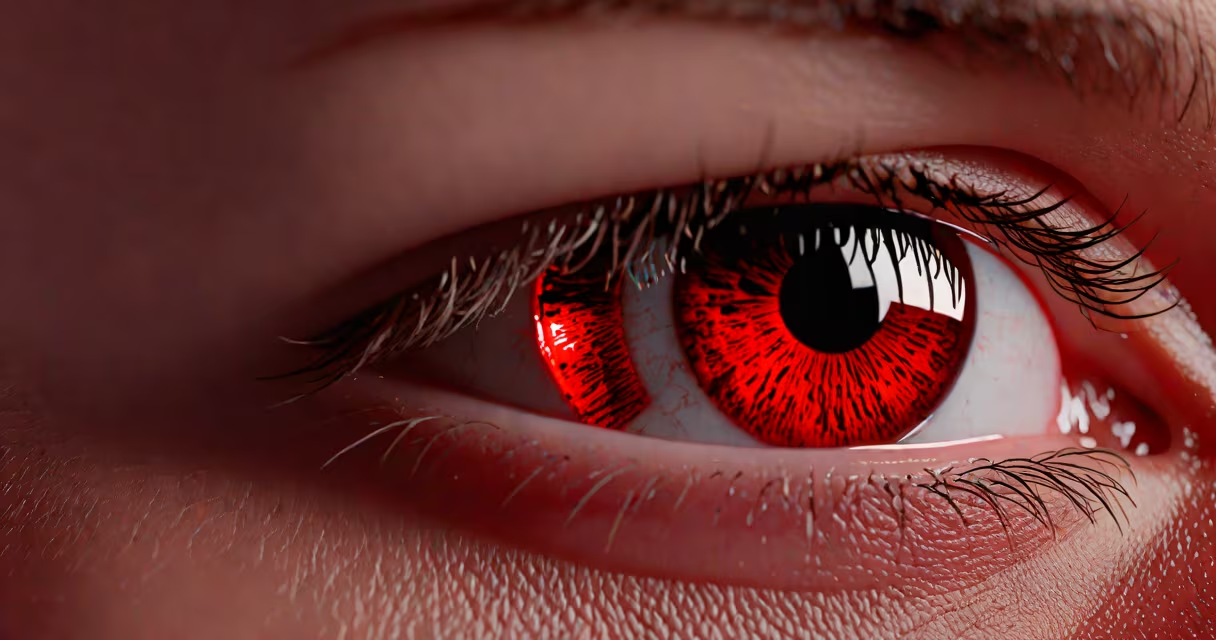
When your eye feels dry and appears red, it usually results from inflammation of the conjunctiva-the thin membrane covering the white of the eye-often due to dehydration, prolonged screen use, or environmental irritants. This condition affects over 16 million adults in the U.S. annually, according to the American Academy of Ophthalmology.
Dryness occurs when tear production drops or tear quality degrades. The redness stems from dilated blood vessels near the surface of the eye, triggered by irritation, infection, or allergic reactions. These symptoms frequently co-occur but don't always share the same root cause.
Common triggers include extended screen time (over 2 hours without blinking), low humidity environments, contact lens wear, and certain medications like antihistamines or antidepressants. A 2022 study in Cornea found that people using digital devices for more than 6 hours daily had a 40% higher risk of developing dry eye syndrome compared to those with less than 2 hours of daily use.
The eye's surface relies on a balanced tear film composed of three layers: oil, water, and mucus. When any layer fails-especially the aqueous (water) layer-tears evaporate too quickly, leading to dryness. As the cornea becomes exposed, nerve endings trigger inflammation, causing blood vessels in the conjunctiva to widen and appear red.
Environmental factors such as air conditioning, wind, smoke, or high altitudes reduce moisture retention. Indoor heating systems lower ambient humidity below 30%, accelerating tear evaporation. A 2021 report from the National Institutes of Health linked indoor air quality to increased incidence of ocular surface disease.
Some cases involve underlying autoimmune conditions. Sjögren's syndrome, for example, attacks moisture-producing glands. In one study, 75% of patients diagnosed with Sjögren's reported chronic dry, red eyes prior to systemic diagnosis.
Redness and dryness may stem from different categories of eye issues. The most frequent causes fall into four groups:
| Type | Key Cause | Typical Symptoms | Prevalence |
|---|---|---|---|
| Dry Eye Syndrome | Insufficient tear production or poor tear quality | Dryness, grittiness, intermittent blurriness, redness | 16M+ U.S. adults |
| Conjunctivitis (Pink Eye) | Bacterial, viral, or allergic infection | Redness, discharge, itching, light sensitivity | ~3M annual U.S. cases |
| Eye Strain (Asthenopia) | Prolonged near work or screen exposure | Eye fatigue, burning, redness, blurred vision | 40% of office workers report symptoms |
| Allergic Reaction | Exposure to pollen, dust mites, pet dander | Itchy, watery, red eyes; sneezing; nasal congestion | 30% of U.S. population affected |
Viral conjunctivitis spreads rapidly in shared spaces. The CDC reports that adenovirus strains cause 80% of epidemic conjunctivitis outbreaks, often spreading through contaminated surfaces or direct contact.
Many people mistake dry, red eyes for simple fatigue. But persistent redness lasting more than 48 hours-even without pain-warrants evaluation. A key sign of concern is photophobia (light sensitivity), which suggests deeper inflammation or corneal involvement.
One overlooked factor: artificial tears containing preservatives can worsen dryness over time. A 2020 review in Eye & Contact Lens showed that preservative-free formulations reduced symptom recurrence by 32% in long-term users. Avoid products labeled "for daily use" unless they're preservative-free.
Another common error: using over-the-counter redness-relief drops (like Visine) for dryness. These contain vasoconstrictors that shrink blood vessels temporarily. But rebound redness occurs within 24 hours, worsening the cycle. The American Optometric Association warns against using them more than twice daily.
I once treated a patient who used redness drops every morning for six weeks. Her eyes became chronically inflamed, requiring prescription anti-inflammatory drops. She hadn't realized the drops were exacerbating her condition.
See an ophthalmologist if redness persists beyond 72 hours, worsens, or is accompanied by pain, vision changes, or discharge. These signs may indicate infection, uveitis, or glaucoma.
For mild cases, try these steps: take 20-second breaks every 20 minutes during screen work (the 20-20-20 rule), use a humidifier, apply warm compresses for 5 minutes twice daily, and switch to preservative-free artificial tears. Limit screen time to under 4 hours continuously.
Understanding your eye's signals prevents unnecessary discomfort and protects long-term vision. Recognizing when dryness and redness are temporary versus signs of a larger issue ensures timely care.